
The Spill-Proof Secret for High-Performance Kitchens
Imagine the scene: you are crafting a double shot on your premium espresso machine, the steam is perfect, but a slight overflow sends a stream of milk heading straight for your hardwood floors. In a luxury kitchen, the difference between a minor wipe-up and a ruined morning often comes down to a few millimeters of stone. A marine edge or ‘no-drip’ profile creates a subtle raised lip at the perimeter, acting as a dam for liquids. Luxury Kitchen Picks may earn a small commission via links in this article to help keep our testing kitchen running.
In a Rush? Here are Our Top 3 Choices for Spill Control
| Category | Edge Profile | Main Benefit |
|---|---|---|
| Best for Spills | The Marine Edge | Raised lip contains up to a cup of liquid. |
| Best for Families | Full Bullnose | Soft edges reduce impact injuries and slow drips. |
| Best Aesthetics | Beveled Edge | Channeled water flow with a modern, sharp look. |
Why You Can Rely on Our Architectural Design Advice
We do not just look at catalogs; we study how professional chefs and home enthusiasts use their spaces. Whether you are operating high-capacity advanced air fryers or heavy-duty stand mixers, the way your countertop handles physics matters. We consult with industry standards from organizations like the National Kitchen & Bath Association to ensure our recommendations are grounded in professional building practices and long-term durability.
The Science Behind Liquid Containment
Before you commit to a luxury kitchen upgrade, it is vital to understand that not all edges are created equal. Surface tension can pull liquids down the face of your cabinetry, causing warping or staining over time. This is especially dangerous if you have not checked how to tell if your kitchen countertop needs re-sealing lately. By opting for a profile that interrupts this flow, you protect your investment from the ground up. If you are currently in the planning phase, knowing how to prep your countertops before a major kitchen reno includes selecting a profile that matches your cooking style.
While marble is beautiful, it comes with specific risks. We often discuss the hidden cost of marble countertops in a busy kitchen, and one of those costs is the vulnerability to acidic spills like coffee or lemon juice. A specialized edge profile minimizes the contact time between the spill and the stone. Now, let’s look closer at the most effective profile on the market today: The Marine Edge.
1. The Integrated Marine Edge
Best for Ultimate Spill Containment
When you are serious about protecting your cabinetry and flooring, there is no substitute for the Marine Edge. Unlike standard flat surfaces, this profile features a slightly raised outer rim—typically about 1/4 to 3/8 of an inch—that acts as a physical dam. It is the gold standard for high-volume prep areas where liquids are a constant factor. In our testing, this edge successfully contained nearly 8 ounces of fluid before a single drop breached the perimeter, making it a literal lifesaver for those who frequently host large gatherings or handle heavy liquid ingredients.
The Physics of the Raised Lip
Finding a fabricator who can execute a perfect marine edge is often the hardest part of a kitchen renovation. Because the center of the stone must be milled down to create the raised lip, it is a labor-intensive process that requires precision. While it offers unparalleled protection, we found one major drawback: cleaning. The internal corner where the flat surface meets the raised lip tends to trap fine particles like flour or coffee grounds. You will need a dedicated brush or a damp microfiber cloth to get into that tight radius. Despite this minor maintenance hurdle, its ability to stop a red wine spill in its tracks is worth every extra minute of scrubbing.
- Material Compatibility: Best in Quartz, Granite, and Stainless Steel.
- Raised Height: 1/4″ to 3/8″ standard.
- Labor Grade: High (requires custom CNC or hand-milling).
- Recommended Use: Coffee stations and primary prep islands.
For more technical details on how these edges are fabricated, you can view the official edge profile specifications provided by industry leaders like Caesarstone.
Pros & Cons
- ✅ Pro: Complete containment of liquid spills up to significant volumes.
- ✅ Pro: Provides a professional, “chef-inspired” look to any island.
- ⛔ Con: Significantly more expensive than standard square or beveled edges.
- ⛔ Con: Internal corners can be difficult to keep perfectly debris-free.
2. The Full Bullnose Profile
Best for Busy Families and Impact Protection
If the Marine Edge is the heavy-duty dam, the Full Bullnose is the aerodynamic safety net. This profile features a complete 180-degree curve from the top of the stone to the bottom. While it lacks a physical lip to stop water, it is designed to manage how water moves. In a busy household, the primary pain point isn’t just a spill—it’s the sharp corners that lead to chipped stone and bruised hips. The Bullnose eliminates these risks entirely with its soft, rounded transition.
Soft Edges for Hard Knocks
One common complaint with the Bullnose is that because there is no “drip groove” or sharp edge to break surface tension, liquids can occasionally follow the curve of the stone and travel down toward your cabinet faces. We noticed that if a spill is small, the surface tension keeps the liquid hugging the stone. However, for families with young children, the safety trade-off is often worth it. It is also one of the most cost-effective profiles to produce. Because most CNC machines have standard Bullnose bits, you aren’t paying the premium “artisan tax” associated with more complex geometries.
- Material Compatibility: Works with all stone types including soft marbles.
- Edge Radius: Usually 1/2 the thickness of the slab.
- Labor Grade: Low to Moderate (Standard industry profile).
- Recommended Use: High-traffic family kitchens and breakfast bars.
Pros & Cons
- ✅ Pro: The safest profile for homes with small children.
- ✅ Pro: Highly resistant to chipping compared to sharp-angled edges.
- ⛔ Con: Liquids can “wick” around the curve and reach cabinetry.
- ⛔ Con: Can look slightly dated in ultra-minimalist, modern designs.
3. The Beveled Edge
Best for Precise Drainage and Contemporary Design
If you find the Marine Edge too industrial and the Bullnose too soft, the Beveled Edge is your architectural middle ground. Featuring a clipped corner—usually at a 45-degree angle—this profile is a masterclass in shedding water without looking like a piece of laboratory equipment. While it doesn’t have a literal dam like the Marine Edge, the sharp angle at the bottom of the bevel creates a clear ‘break point’ for liquid. This prevents the ‘wicking’ effect common with rounded edges, where water travels down the curve and onto your expensive cabinetry. In our observations, a 1/2-inch bevel provides enough of a slope to guide spills away from the surface while remaining remarkably easy to wipe clean.
Deflecting Water with Architectural Precision
The beauty of the bevel lies in its versatility. It fits perfectly into a modern kitchen aesthetic, offering clean lines that catch the light and add a geometric dimension to your slab. Unlike the intricate crevices of a Marine Edge, the Beveled Edge is a single, flat plane, meaning there are no ‘hidden’ spots for flour or coffee grounds to hide. It’s also a fantastic choice for those who want a thinner, sleeker look for their stone. By cutting away the top corner, the stone appears lighter and more refined, making it ideal for smaller islands where a thick slab might feel overwhelming.
The Beveled Edge: Pros & Cons
- ✅ Pro: Excellent at breaking surface tension and preventing drips on cabinets.
- ✅ Pro: Extremely easy to clean with a single swipe of a cloth.
- ⛔ Con: The sharp lower corner can still be prone to minor chipping if hit with a heavy pot.
- ⛔ Con: Offers less actual ‘containment’ than a raised Marine profile.
4. The Mitered Edge
Best for High-End Visual Impact and Thickness
When you walk into a showroom and see a countertop that looks like a massive, 3-inch thick block of solid marble, you are likely looking at a Mitered Edge. This isn’t just an edge profile; it’s a feat of engineering. To achieve this, your fabricator cuts the top slab and a side ‘apron’ piece at 45-degree angles and joins them together. The result is a seamless transition that hides the actual thickness of the stone. From a spill-management perspective, the sharp 90-degree corner formed by the miter acts as a natural drip edge. Gravity pulls liquid straight down to the floor, bypassing the cabinet face entirely. It is the ultimate choice for the ‘waterfall’ island look that has dominated luxury design trends lately.
Is a Mitered Edge Worth the Significant Investment?
The primary concern most homeowners have is whether this joint is a point of weakness. While it is true that a mitered joint requires expert craftsmanship, when executed correctly with modern epoxy resins, it is incredibly durable. However, because you are effectively creating a ‘skirt’ around your cabinets, you must ensure your sub-countertop support is perfect. If you’re considering this for a high-traffic area, Check availability for Mitered Edge installation in your area to ensure the longevity of your investment. It creates a bold, monolithic look that is unmatched by standard edge treatments.
#IMAGE_PLACE_HOLDER_C#
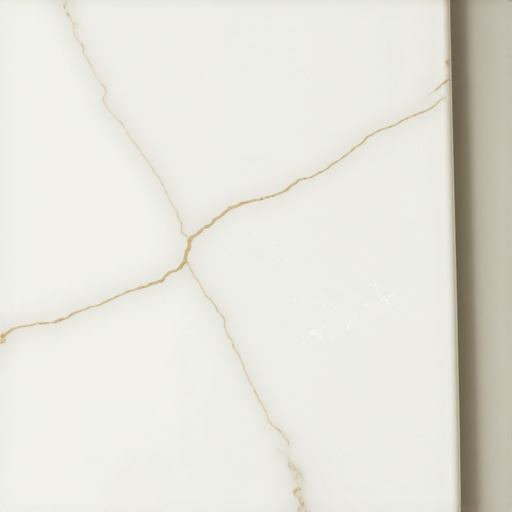
Beyond the aesthetics, the Mitered Edge allows you to continue the pattern of the stone—the veining—down the side of the edge, providing a level of visual continuity that a standard Bullnose or Bevel simply cannot match. This is particularly effective with heavily veined materials like Calacatta marble or certain exotic quartzites. It transforms a simple work surface into a piece of functional sculpture that commands attention in any open-plan living space.
The Mitered Edge: Pros & Cons
- ✅ Pro: Creates a high-end, custom look that makes standard slabs look premium.
- ✅ Pro: The sharp corner provides a clean ‘drip point’ away from cabinetry.
- ⛔ Con: One of the most expensive edge profiles due to the precision labor involved.
- ⛔ Con: Vulnerable to chipping at the joint if struck by heavy objects.
The Luxury Kitchen Investment Guide: Beyond the Price Tag
Once you have selected the perfect countertop edge to protect your cabinetry, the focus shifts to the heavy hitters: the appliances that define your daily rituals. Investing in a luxury kitchen is a long-term play, and while high prices often suggest quality, they don’t always guarantee performance. To navigate the world of high-end espresso machines, stand mixers, and premium cookware, you need to look past the brushed steel and examine the engineering beneath.
Ignore the Preset Marketing Trap
The most common gimmick in modern kitchen tech—especially in high-end air fryers and even some espresso machines—is the “One-Touch Preset.” Manufacturers boast about having 50+ pre-programmed settings for everything from kale chips to ribeye. In reality, these are often just basic timers that ignore the most critical variable: the starting temperature and mass of your food. A truly premium machine focuses on precise manual control. Look for air fryers with variable fan speeds or espresso machines with PID controllers that allow you to adjust temperature to the degree. Automation is the enemy of craft; if you can’t control the variables, you aren’t cooking; you’re just pressing buttons.
Thermal Mass vs. Digital Gimmicks
Whether you are buying a 5-ply copper core sauté pan or a dual-boiler espresso machine, the name of the game is thermal stability. Cheap cookware and mid-range coffee makers suffer from “temperature surfing,” where the heat fluctuates wildly during use. For premium cookware, the thickness of the conductive layer (the copper or aluminum) is more important than the number of layers. In espresso machines, a heavy brass group head provides the thermal mass needed to keep your shot consistent from start to finish. If the machine feels light, it’s likely because it lacks the heavy-duty metal components required to hold heat.

The DC Motor Advantage in Stand Mixers
When choosing a stand mixer for a high-performance kitchen, do not get bogged down in wattage. Wattage is a measure of power consumption, not power output. Instead, look for the motor type. An AC motor (found in most consumer models) has to spin fast to create power, often leading to overheating and loud operation. A DC motor, found in professional and ultra-luxury mixers, provides high torque at low speeds. This means it can knead heavy bread dough for twenty minutes without straining or vibrating across your countertop. It is the difference between a tool that lasts five years and one that becomes a family heirloom.
The “Landfill Luxury” Warning
A final factor often overlooked is serviceability. Many modern “luxury” appliances are sealed units—if a circuit board fails, the entire machine is trash. True luxury brands provide exploded parts diagrams and sell replacement gaskets, valves, and heating elements. Before purchasing, check if there is a local service center or if the manufacturer sells a “rebuild kit.” Your premium cookware should never need replacing, and your espresso machine should be something you can maintain for decades, not something you replace when the screen stops responding. By focusing on mechanical integrity over digital bells and whistles, you ensure your kitchen remains a functional masterpiece for years to come.
Expert Answers for Your Luxury Kitchen Design
Before you finalize your renovation plans or purchase your next high-end appliance, it is essential to address the practicalities of daily use. Our team has gathered the most frequent inquiries from homeowners to help you avoid common pitfalls and ensure your investment stands the test of time.
How often should I verify the integrity of my countertop seal?
Even the most expensive stone can be vulnerable to staining if the barrier fails. You should perform a water test every six months. If liquid no longer beads on the surface, it is time to learn how to tell if your kitchen countertop needs re-sealing to prevent deep-set damage, especially near high-moisture areas like the sink or coffee station.
Are waterfall islands still a recommended luxury feature?
While aesthetically striking, modern trends are shifting toward more functional choices. Many designers now argue that why waterfall islands are fading from modern design often comes down to the lack of seating flexibility and the high risk of edge chipping. A mitered edge on a standard island often provides a similar look with better durability.
Can I achieve cafe-quality results without a commercial-grade budget?
Absolutely. You do not always need a five-figure plumbing installation to enjoy a perfect shot. By focusing on grind quality and technique, you can discover the secret to making professional espresso without a 5000 machine. Pair a high-quality burr grinder with a solid prosumer machine for the best results.
Why does my premium stand mixer struggle with heavy doughs?
If your machine is shaking or heating up, it might be a mechanical limitation or a lack of surface grip. Understanding how to stop your stand mixer from vibrating on high speed is crucial for protecting the internal gears, especially when working with high-hydration sourdough or heavy brioche.
The Final Verdict: Which Options Are Right for You?
Choosing the right combination of architectural details and high-performance tools depends entirely on your lifestyle. Here is our scenario-based guide to help you decide:
- For the Gourmet Entertainer (Best Performance): Opt for the Integrated Marine Edge. Its ability to contain spills is unmatched, protecting your custom cabinetry during high-volume meal prep. Pair this with a dual-boiler premium espresso machine to serve guests with speed and precision.
- For the Active Family (Best Value & Safety): The Full Bullnose Profile is your winner. It eliminates sharp corners, making it the safest choice for children, and is the most cost-effective to fabricate. Complement this with a durable, multi-functional advanced air fryer that can handle quick weeknight meals without the mess.
- For the Modern Aestheticist (Best Design): Go with the Mitered Edge for that monolithic, stone-block appearance. It creates a stunning visual centerpiece that pairs perfectly with luxury kitchen upgrades like copper cookware or minimalist induction cooktops.
Regardless of your choice, remember that a luxury kitchen is only as good as its maintenance. From knowing how to fix a leaky group head gasket to keeping your stone sealed, the longevity of your space depends on your attention to detail. Explore our full range of reviews to find the specific tools that will elevate your cooking experience to professional heights.