
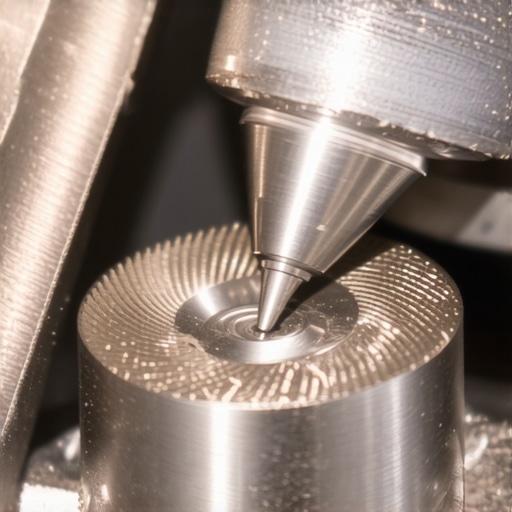
The Correct Way to Clean Burrs Without Losing Your Settings
Grind calibration is a matter of microns. When you spend months hunting for the perfect extraction, the last thing you want is to reset your progress because of a maintenance cycle. After 15 years servicing high-end espresso machines and industrial grinders, I have seen too many owners strip threads or ruin alignment in the name of cleanliness. The stake is clear: a dirty grinder produces rancid oils and uneven particles, but a poorly reassembled one produces garbage. The goal is surgical intervention without disturbing the mechanical zero-point.
The Engineering Reality of Burr Alignment
Burr sets operate on a fixed and a floating carrier. When you rotate the adjustment collar, you are moving these plates closer together, often by increments smaller than a human hair. Traditional cleaning advice suggests a total teardown. This is a mistake. Every time you unthread the top carrier, you risk cross-threading or introducing microscopic debris into the threads, which alters the physical pitch. This leads to what we call ‘burr drift.’ Instead, we focus on vacuum-assisted purging. By using a high-suction vacuum on the discharge chute while the motor is spinning (dry), you can pull 90% of the stale particulates out without ever touching a screwdriver. This maintains the integrity of the zero retention grinders architecture that modern enthusiasts pay thousands for. For the remaining 10%, we use chemical binders like Urnex Grindz, which absorb oils through friction. It is a technical truth that most ‘clean’ grinders are actually just misaligned ones. Professional standards from the Specialty Coffee Association (SCA) emphasize that physical stability is as vital as cleanliness.
Why Standard Methods Fail the Precision Test
Rice is for sushi, not for premium cookware or coffee grinders. I have seen countless ceramic burrs chipped because a ‘life hack’ suggested using uncooked rice to clean the teeth. Rice is too hard; it creates excessive torque on the motor and can dull the razor-sharp edges of steel burrs. Another failure point is the use of compressed air. While it feels satisfying to blow out dust, you are actually forcing fine coffee silt into the motor bearings and the adjustment threads. The result? Eventual seizure. If you must open the chamber, you need to mark the exact position of the collar with a grease pencil. This is your ‘true north.’ Without this anchor, you are guessing. Even a half-millimeter of difference will make your expensive beans taste like ash or vinegar. Precision is not optional.
Implementation Risks and the Smell of Burnt Plastic
The messy reality involves the human element. I remember a client with a top-tier flat burr grinder who decided to deep-clean with water. He didn’t just cause rust; he created a conductive bridge that shorted the control board. You can smell the ozone and burnt plastic from across the room when a high-torque motor fails. It is a sickening scent for any business owner. Beyond the electrical risk, there is the physical ‘feel’ of the threads. If you feel resistance when putting the burr carrier back, stop. Back it out. A single forced turn can ruin the parallelism of the burrs forever. This is why learning how to dial in your espresso grinder is a skill that must be paired with mechanical sympathy. You are dealing with hardened steel and soft aluminum; the steel always wins, and it wins by destroying your threads.
Strategic Foresight for the 2026 Market
The industry is moving toward tool-less access and magnetic burr carriers. In the next 18 months, I expect to see more luxury kitchen appliances adopting ‘quick-release’ chambers that don’t rely on the adjustment threads for structural support. We are seeing a shift where the consumer demands the ability to switch between filter and espresso without a 10-minute recalibration. Regulatory changes regarding food-safe lubricants are also tightening. If you are still using petroleum-based grease on your threads, you are behind the curve. Switch to high-viscosity food-grade silicone to ensure the adjustment remains smooth through hundreds of heat cycles. This is the same level of care required for high-end air fryers or stand mixers with metal gears. According to reports from the Institute of Food Technologists (IFT), the stability of food-contact surfaces is becoming a primary focus for high-end equipment manufacturers.
The Executive Verdict
If your shots are running fast and taste hollow, you don’t necessarily need a deep clean; you need to understand the better espresso body mechanics of your specific burr geometry. My recommendation: Vacuum the chute daily. Use cleaning pellets bi-weekly. Only perform a full teardown every six months, and only if you have a reference mark for your settings. If you value your time and your palate, stop treating your grinder like a blender. It is a lab-grade instrument. Treat it as such.
Frequently Asked Questions
Will cleaning pellets ruin my burr seasoning? No. They are designed to be softer than the metal. They remove oils, not the micro-texture of the steel. How often should I replace my burrs? Most home users will never need to replace steel burrs. Usually, they are rated for 500kg to 1000kg of coffee. Can I use a hair dryer to blow out the dust? Avoid it. The heat can cause the metal to expand unevenly, potentially causing a temporary misalignment or damaging plastic internal components. Why does my grinder sound different after cleaning? You likely removed a ‘cushion’ of old coffee. If the sound is high-pitched or grinding, your burrs might be touching. Back off the setting immediately.