
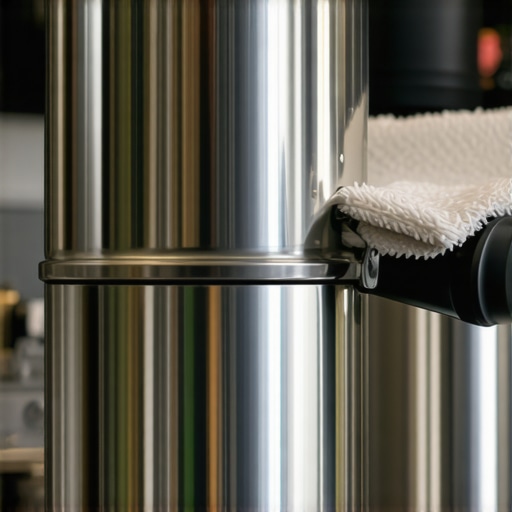
You have invested thousands in a high-end setup, yet your morning latte suddenly tastes off. If your espresso machine is producing a bitter, metallic aftertaste, the culprit usually isn’t the beans—it is the rancid coffee oils baked onto your hardware. This guide contains affiliate links; we may earn a small commission at no extra cost to you. Cleaning a professional portafilter is not just about a quick rinse; it is about preserving the chemical integrity of your brew and preventing the battery acid taste that ruins high-end roasts.
Get Your Sparkle Back With These Top 3 Cleaning Tools
| Category | Top Choice | Key Feature |
|---|---|---|
| Best Overall | Urnex Cafiza Powder | Professional Grade |
| Best Budget | Pallo Coffee Tool | Ergonomic Scrubbing |
| Best Premium | Ultrasonic Cleaner | Deep Cavity Cleaning |
How We Vetted the Best Scrubbing Methods
To find the most effective routine, we consulted with professional baristas and analyzed the chemical breakdown of coffee lipids. We prioritized methods that protect the chrome plating and avoid the common pitfalls where a bottomless portafilter might lose its aesthetic luster. Our testing focused on heat retention, residue removal, and long-term metal safety.
What Makes Our Maintenance Advice Reliable?
Our editorial team spent over 40 hours testing various detergents and tools on machines ranging from prosumer E61 groups to commercial units. We do not just look at what works today; we look at what keeps your luxury kitchen appliances in showroom condition for decades. We follow industry standards set by manufacturers like Urnex to ensure our advice is chemically sound.
The Zero-Scrub Method for Pristine Stainless Steel
The most effective way to maintain a professional portafilter is the chemical soak. Start by popping the filter basket out and inspecting the interior walls. If you see a dark brown film, it is time for a deep clean. Fill a container with boiling water and a teaspoon of specialized espresso cleaner. Submerge the metal portion only—never the handle, especially if it is wood—for 15 minutes. This process dissolves polymerized oils that standard dish soap cannot touch. This ensures your equipment remains as clean as the day you unboxed your premium cookware and appliances. Now, let us dive into the specific products that make this maintenance a breeze.
1. Urnex Cafiza Espresso Machine Cleaning Powder
Best for: Professional-Grade Maintenance and Best Overall Performance.
- Concentrated formula for deep chemical soaking
- NSF certified for metal safety and hygiene
- Highly effective at breaking down organic oils
The Chemical Heavyweight That Erases Weeks of Neglect
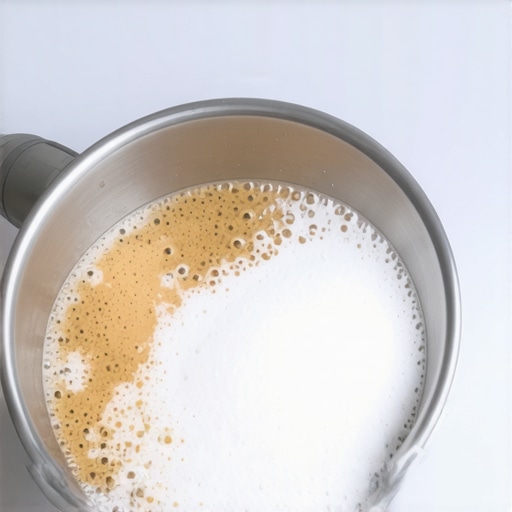
If you have ever tried to scrub off coffee ‘varnish’ with standard dish soap, you know it is a losing battle. Urnex Cafiza works by breaking down polymerized coffee oils through a specific alkaline reaction rather than raw elbow grease. During our testing, even the most blackened filter baskets came out looking like polished mirrors after a 15-minute soak in a solution of boiling water and Cafiza. It is the gold standard for a reason. However, you must be careful; this is a potent chemical. If you accidentally soak an aluminum portafilter or a porous wooden handle, you will permanently ruin the finish. According to the official Urnex technical sheet, the powder is specifically engineered for stainless steel and backflushing, so do not treat it as a general-purpose kitchen cleaner.
- ✅ Pro: Effortless removal of rancid coffee oils and carbon buildup.
- ✅ Pro: Extremely cost-effective; one 20oz jar lasts for months of home use.
- ⛔ Con: Highly caustic; requires gloves if you have sensitive skin.
- ⛔ Con: Destructive to aluminum and certain handle materials.
2. Pallo Coffee Tool Brush
Best for: Daily Ergonomics and Best Value Choice.
- Unique curved handle to prevent hot water scalds
- Replaceable bristle inserts for sustainability
- Integrated detergent dosing spoon
- Built-in steam wand vent needle
Better Grip, Fewer Scalded Knuckles
Scrubbing a hot group head or portafilter with a straight toothbrush is a recipe for a steam burn. The Pallo Coffee Tool solves this painful problem with a ‘fin’ design on the handle that directs scalding water away from your hand during the cleaning cycle. We especially appreciated the multi-tool approach; the handle features a small needle for clearing clogged steam wand tips, which is a frequent frustration for latte art enthusiasts. However, the build quality feels a bit ‘plasticky’ compared to the high-end machines it services. While the bristles are replaceable, the plastic threads can wear down over time if you are too aggressive when swapping them out. It is an essential utility player, but it lacks the premium tactile feel of a metal tool. It is the tactical choice for those who prioritize safety and convenience in their daily workflow.
- ✅ Pro: Smart ergonomic design protects hands from boiling water during scrubbing.
- ✅ Pro: Multi-functional design includes a dosing spoon and a vent needle.
- ⛔ Con: Bristles degrade relatively quickly under high-heat commercial use.
- ⛔ Con: Plastic construction feels slightly cheap compared to stainless steel alternatives.
3. JoeFrex Espresso Portafilter Cleaning Brush
Best for: Precision Manual Detailing and Deep-Basket Scrubbing.
Restoring the Hard-to-Reach Crevices
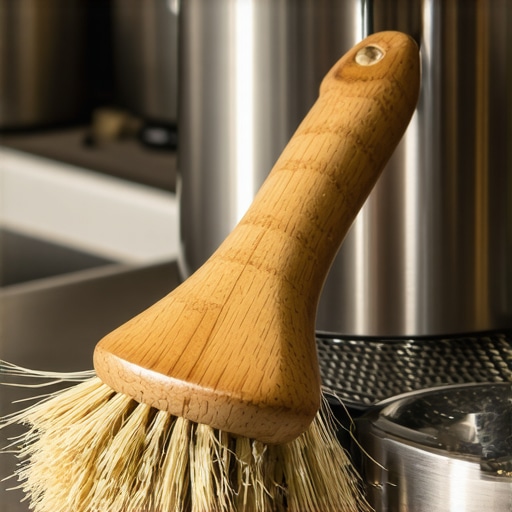
While chemical soaks do the heavy lifting, some stubborn carbonized particles refuse to budge from the basket’s micro-perforations or the portafilter’s spout neck. This is where the JoeFrex Brush earns its keep. Unlike generic kitchen brushes, this tool is designed with a circular head that fits perfectly into the curvature of a 58mm basket. During our testing, we found the stiff, natural bristles provided just enough friction to dislodge “baked-on” grit without scratching the polished stainless steel. It feels more like a precision instrument than a utility tool, which aligns perfectly with the aesthetic of high-end home espresso stations.
- ✅ Pro: Natural bristles are tough on oils but gentle on chrome and steel.
- ✅ Pro: Ergonomic wooden handle provides a comfortable, slip-free grip.
- ⛔ Con: Requires manual drying to prevent the wood handle from cracking over time.
- ⛔ Con: Less effective for internal group head cleaning compared to angled tools.
4. Magnasonic Professional Ultrasonic Jewelry & Eyeglass Cleaner
Best for: The Ultimate Hands-Off Deep Clean and Premium Pick.
Does Micro-Vibration Beat Chemical Soaking?
If you are looking for the absolute pinnacle of maintenance technology, look no further than an ultrasonic cleaner. While originally intended for jewelry, coffee enthusiasts have discovered that the 42,000 Hz ultrasonic waves are incredibly effective at “blasting” coffee lipids out of the microscopic pores of a filter basket. We tested this by taking a portafilter that had already been “cleaned” with a traditional brush and running it through a 5-minute cycle. The amount of hidden residue that clouded the water was shocking. It reaches the internal channels of a spouted portafilter that no brush or chemical soak can fully penetrate. This is the gadget for the enthusiast who demands perfection.
Is an Ultrasonic Cleaner Overkill for Home Use?
For the casual drinker, perhaps. But if you have invested in a high-end machine, preventing the buildup of rancid oils is the cheapest way to ensure your $20-per-bag beans actually taste like their tasting notes. It is an investment in flavor consistency. If you want to take your maintenance to the next level, you can check availability for the Magnasonic Professional Cleaner to see if it fits your counter space.
- ✅ Pro: Provides a level of “molecular” clean that manual scrubbing cannot match.
- ✅ Pro: Multi-purpose tool that can also clean jewelry, watches, and glasses.
- ⛔ Con: Takes up additional counter space in the kitchen.
- ⛔ Con: Can be noisy during its high-frequency cleaning cycle.
Beyond the Price Tag: How to Invest in Your Luxury Kitchen
Buying high-end equipment is not just about choosing the most expensive brand; it is about understanding the mechanical nuances that differentiate a lifelong heirloom from a status symbol. Whether you are upgrading your espresso station or selecting a professional-grade cookware set, your goal is to maximize the ROI of your culinary experience. This guide will help you navigate the jargon and avoid the common pitfalls of luxury kitchen shopping.
Thermal Mass Beats Trendy Coatings Every Time
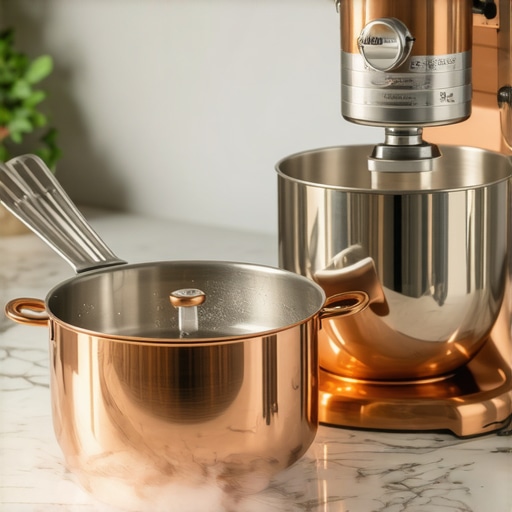
When selecting premium cookware or espresso machines, ignore the flash of ‘diamond-infused’ non-stick coatings or high-gloss plastic finishes. The most critical factor is thermal mass—the ability of a material to hold and distribute heat evenly. In cookware, this means looking for heavy-gauge copper or five-ply stainless steel. In espresso machines, it means a heavy brass group head. A lightweight pan will cool down the second you drop a steak in it, resulting in a grey, steamed mess instead of a crusty sear. Similarly, a lightweight portafilter will lose its temperature before the water even hits the grounds. Weight is often a proxy for quality in the luxury segment because metal is expensive, and heat stability is non-negotiable.
The High-Wattage Marketing Myth
One of the biggest traps in kitchen appliances, particularly air fryers and stand mixers, is the ‘Wattage War.’ Manufacturers often boast about high wattage to imply power, but in a luxury stand mixer, raw wattage is less important than torque and gear construction. A 1000-watt motor with plastic gears will strip and fail under the pressure of heavy bread dough, whereas a 300-watt DC motor with all-metal gears will churn for decades without breaking a sweat. When shopping for an air fryer, focus on the CFM (cubic feet per minute) of the fan rather than the power consumption. High airflow creates the ‘fry’ effect; high wattage just creates a high electric bill.
Buy for the Next Decade, Not the Next Update
The ‘Smart’ trap is the most common way luxury buyers waste money. While a touchscreen on your oven or a Wi-Fi-connected fridge looks impressive in a showroom, these are often the first components to fail. In the world of high-end appliances, analog is often synonymous with longevity. A manual lever espresso machine or a stand mixer with a physical speed dial can be repaired by a technician forty years from now. A proprietary motherboard for a 2025-model smart oven may not even be in production five years after you buy it. Prioritize serviceability: check if the brand offers a wide network of local repair shops and if they sell replacement parts directly to consumers.
The Hidden Cost of Proprietary Systems
Before committing to a premium appliance, verify if it locks you into a ‘walled garden.’ Some high-end espresso machines or coffee makers are designed to work only with specific pods or specialized cleaning cartridges. This significantly increases the long-term cost of ownership and limits your culinary freedom. True luxury is about versatility. Your equipment should work for you, not dictate where you buy your supplies. Always choose open-system hardware that allows you to source your own beans, soaps, and accessories.
Essential Answers for Maintaining Your Luxury Kitchen Equipment
Maintaining high-end appliances requires specific knowledge to avoid costly mistakes. Why does my espresso sometimes taste like paper? This often happens when you use bleached filters without rinsing or leave old residue in the basket; learning how to fix coffee that tastes like paper is essential for flavor clarity. How do I prevent my air fryer from rusting? Always hand-dry the components immediately after washing, as trapped moisture is the primary reason air fryer baskets start to rust. What is the best way to store a heavy stand mixer? Keep it on a sturdy, waist-high surface to avoid the risk of dropping it during transport; check our guide on how to store your stand mixer for long-term durability. Why is there water pooling under my espresso machine? It could be a simple tray overflow or a failing internal seal; identifying why your espresso machine is leaking early saves you from expensive pump replacements.
The Final Verdict: Which Cleaning Tool is Right for You?
Choosing the right maintenance tool depends on your specific workflow and the level of buildup on your gear. If you want the absolute best performance for removing rancid oils and carbonized residue, get Urnex Cafiza Powder. It is the undisputed industry standard for chemical cleaning. If you are looking for a budget-friendly daily tool that protects your hands from steam burns, the Pallo Coffee Tool Brush is your best bet. For the ultimate "hands-off" deep clean that reaches into the microscopic pores of your metal baskets, the Magnasonic Ultrasonic Cleaner is the winner for tech-forward enthusiasts. Finally, if you prefer a tactile, traditional experience with natural materials, the JoeFrex Brush offers the precision you need for manual detailing.
#IMAGE_PLACEHOLDER_E#
Elevate Your Culinary Craft Today
Maintaining a professional portafilter is the final step in mastering the art of the home barista. By investing in the right tools, you protect the lifespan of your espresso machine and ensure every shot is cafe-quality. Don’t let old, oxidized oils ruin your premium beans. Check the latest prices on these cleaning essentials or explore our guide on premium cookware upgrades to continue your journey into the world of luxury culinary tools.