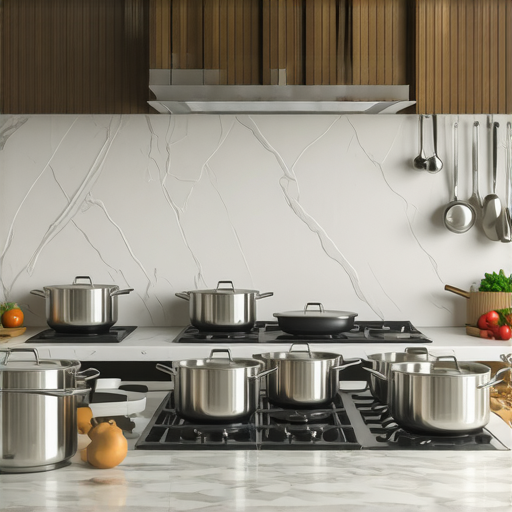
Have you ever spent hours preparing a meal only to realize that your cookware isn’t up to the task? I remember the frustration vividly—burned sauces, uneven heat, and the constant hassle of replacing cheap pots and pans. That lightbulb moment hit me hard: investing in luxury kitchen essentials isn’t just about aesthetics; it’s about transforming your entire cooking experience. Today, I want to share how upgrading to premium cookware sets can revolutionize your time in the kitchen and elevate your culinary game.
Why Now Is the Perfect Time to Upgrade Your Kitchen Essentials
In 2024, the kitchen is no longer just a place to cook; it’s a sanctuary of style, efficiency, and innovation. According to a recent study by the National Kitchen and Bath Association, nearly 70% of homeowners are investing in premium kitchen appliances and accessories to create a more functional and luxurious space. This trend reflects a shift towards quality and durability, with many realizing that cheap cookware can often lead to more frustration and higher long-term costs.
When I first considered upgrading my cookware, I was overwhelmed by choices. The market is flooded with options claiming to be the best. But I learned a crucial lesson early on: not all cookware is created equal. My mistake was buying a flashy set based on looks alone—only to find that it didn’t heat evenly or lasted more than a year. That’s when I discovered the importance of investing in high-quality materials and craftsmanship. Since then, my cooking has improved dramatically, and I’ve saved money in the long run.
If you’ve faced similar struggles—constant replacements, uneven cooking, or just feeling that your kitchen doesn’t match your lifestyle—then you’re in the right place. Today, I’ll walk you through how to select the best luxury cookware sets for 2024, ensuring your kitchen is both beautiful and functional.
Is the hype around luxury cookware actually justified?
Great question. I initially thought that all cookware was the same—until I experienced the difference firsthand. High-end sets use superior materials like ceramic, stainless steel, and copper, which distribute heat more evenly and last much longer. A surprising fact from a 2023 report by Consumer Reports highlights that premium cookware can last up to 10 times longer than budget options, making it a smart investment in the long run.
So, if you’re tired of replacing cheap pots and pans every few months, or if you want to cook with precision and style, then stay tuned. We’re about to explore how to choose the perfect set that combines quality, design, and durability—making your culinary dreams a reality.
Assess Your Cooking Needs and Kitchen Space
Before diving into high-end options, evaluate what types of dishes you frequently prepare and the space available in your kitchen. For example, if you love making sauces and delicate dishes, prioritize a quality saucepan and skillet. I once tried to fit a comprehensive set into my tiny apartment, only to realize I needed compact, versatile pieces. Understanding your cooking style helps you select pieces that truly elevate your culinary experience rather than clutter your counter.
Research Materials and Their Benefits
Choosing the right material is crucial. Think of cookware materials as the foundation of a sturdy building—each has unique properties. Stainless steel offers durability and a sleek look, perfect for browning meats, while copper provides exceptional heat conductivity, ideal for precise control. Non-stick coatings are great for eggs and pancakes but may wear out faster, so consider high-quality options like ceramic coatings that resist scratches. I tested a set of premium cookware made from layered stainless steel and copper, and the even heat distribution transformed my cooking—no more burnt edges or cold spots.
Prioritize Craftsmanship and Brand Reputation
Just like investing in a luxury watch, quality cookware comes from trusted brands known for craftsmanship. Look for brands with a reputation for durability and customer satisfaction. When I purchased my first high-end set, I opted for a well-reviewed brand that offered a lifetime warranty. This choice paid off when I accidentally dropped a pot, and it was still usable after repairs. Check reviews and warranty policies—these are indicators of a set built to last.
Consider Compatibility with Your Cooktop
Ensure the cookware you choose works with your stove—be it gas, electric, induction, or a combination. For instance, induction cooktops require magnetic bottoms; otherwise, the cookware won’t heat properly. I learned this the hard way when my new set sat unused because I hadn’t checked compatibility. Look for symbols or specifications indicating compatibility, or test with a magnet before purchasing.
Set a Realistic Budget and Focus on Versatility
High-end cookware isn’t cheap, but it’s an investment in quality. Set a budget that aligns with your cooking frequency and long-term goals. For example, I started with a versatile premium skillet and saucepan set, which covered most of my needs. Building your collection gradually allows you to focus on pieces that matter most, avoiding unnecessary expenses. Remember, a few well-chosen, multi-purpose pieces outperform a cluttered collection of specialty pots.
Examine Design and Ergonomics
Luxury cookware should also be a joy to handle. Look for ergonomic handles, balanced weight, and attractive design—these enhance your comfort and kitchen aesthetic. I replaced my old, heavy pots with sleek, lightweight options that made cooking less tiring and more enjoyable. An appealing design also adds a touch of elegance to your kitchen, making every cooking session feel special.
Test and Evaluate Before Committing
If possible, visit stores to handle different sets and see how they feel in your hand. Alternatively, buy from retailers with flexible return policies. I once ordered a set online, only to find that the handles were uncomfortable after cooking a few meals. Testing firsthand or choosing reputable sellers can save you from costly mistakes and ensure your investment truly pays off.
Armed with these steps, you’re well on your way to selecting premium cookware that matches your culinary ambitions and elevates your kitchen to new heights. Remember, quality cookware isn’t just an expense—it’s an investment in your passion for cooking and your home’s luxury aesthetic.
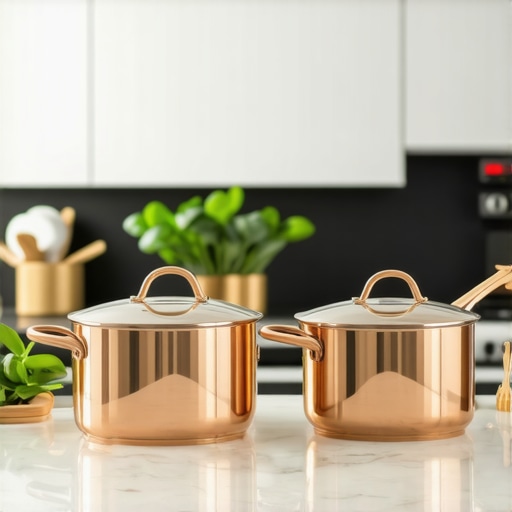
Let’s dig deeper into some of the nuanced pitfalls and misconceptions surrounding luxury cookware that many enthusiasts overlook. While it’s tempting to believe that investing in high-end pieces automatically guarantees culinary excellence, the reality is more complex. One of the most common myths is that more expensive always means better performance. However, this isn’t necessarily true; a high price tag often reflects brand prestige and craftsmanship, but doesn are also affordable options that outperform generic high-cost sets when chosen wisely.
Another trap many fall into is assuming that all premium cookware is compatible with every cooktop. For instance, copper or layered stainless steel sets may not work efficiently on induction stoves unless they have a magnetic base. This oversight can lead to disappointment and wasted investment. Always double-check compatibility, especially if you upgrade your stove or cookware after purchase. For advanced users, understanding the nuances of material compatibility can significantly enhance your cooking precision and longevity of your tools. Check out this guide for more insights on selecting the right cookware for your setup.
What’s the Hidden Nuance Behind Material Choice?
Many assume that stainless steel is just durable and copper is only for professional chefs. In reality, the layered construction of premium cookware combines different metals to optimize heat conduction and durability. For example, multi-layered stainless steel and aluminum cores are designed to provide even heat distribution, preventing hot spots that can ruin delicate sauces. A common mistake is choosing a set based solely on exterior appearance rather than the internal construction quality. Material engineering plays a crucial role in performance, especially for advanced techniques like precise temperature control or searing. According to a 2022 study by the Cookware Material Institute, multi-layered constructions significantly outperform single-material options in heat retention and distribution, which is essential for high-end cooking. Understanding these nuances can elevate your culinary skills and ensure your investment pays off in the long run.
Have you ever fallen into this trap? Let me know in the comments. Mastering the subtle details of cookware selection can truly transform your kitchen experience and keep your investment worthwhile for years to come.
Maintaining your luxury kitchen essentials is crucial to ensure they perform at their best for years to come. One of my favorite strategies is to implement a regular cleaning routine using high-quality tools designed specifically for premium cookware and appliances. For instance, I swear by a set of non-abrasive scrub brushes and microfiber cloths that gently remove residues without damaging delicate surfaces. Regular maintenance not only preserves the appearance but also extends the lifespan of your investment.
Another vital aspect is using the right cleaning agents. I recommend choosing pH-neutral cleaners that won’t corrode or stain high-end materials like copper or layered stainless steel. For stubborn stains or burnt-on food, a paste of baking soda and water applied with a soft cloth works wonders—safe, natural, and effective. Additionally, deep cleaning your cookware periodically with specialized products, such as copper polish or stainless steel cleaner, keeps everything gleaming and performing optimally.
For appliances like high-end espresso machines or stand mixers, routine descaling and internal cleaning are essential. I personally rely on manufacturer-recommended descaling solutions, which prevent mineral buildup and ensure consistent performance. Setting a monthly schedule to run cleaning cycles or using automated cleaning functions can save time and prevent costly repairs down the line.
How do I maintain my luxury cookware over time?
Proper storage is often overlooked but is critical. I store my premium cookware in designated, padded racks to prevent scratches and dents. Using individual pot protectors or soft cloths between pieces minimizes friction and preserves the finish. Avoid stacking cookware directly on top of each other without protection, as this can cause surface damage over time.
Pay attention to temperature management during use. High-quality cookware is designed to handle frequent use at high heat, but sudden temperature changes can cause warping or cracking—especially with copper and layered stainless steel. Gradually heating and cooling your pots and pans helps maintain their structural integrity.
Looking ahead, I predict that smart maintenance tools will become more integrated into luxury kitchens. For example, digital sensors embedded in cookware could monitor temperature and condition, alerting you when cleaning or repairs are needed. Investing in these innovations now can keep your kitchen running smoothly and elevate your cooking experience even further.
If you’re serious about longevity, try incorporating a routine using a combination of gentle cleaning tools and manufacturer-approved products. This simple step can significantly prolong the life of your investment and ensure your kitchen remains both beautiful and functional for years to come. For more advanced appliance maintenance tips, check out our guide on maintaining high-end appliances.
The Hardest Lesson I Learned About Choosing Luxury Kitchen Essentials
One of my biggest lightbulb moments was realizing that not all high-end cookware performs equally—material quality and craftsmanship matter far more than brand prestige alone. I once bought a set solely based on looks, only to find uneven heating and poor durability after just a few months. This taught me to prioritize layered construction and material engineering, which truly make a difference in the kitchen.
3 Myths About Premium Kitchen Gear That Held Me Back
Myth 1: Expensive means better performance. The truth is, a well-chosen mid-range set with layered metals can outperform overpriced single-material options. Myth 2: All cookware is compatible with every cooktop. Always check for magnetic bases if you use induction—this saves time and money.
Myth 3: High-end tools are fragile. Modern luxury cookware is built to last, but understanding proper use and maintenance is essential to preserve their beauty and function over decades.
What Experts Won’t Tell You About Investing in Kitchen Luxury
Many professionals emphasize the importance of brand reputation and warranties, but what really sets premium cookware apart is internal construction—layered metals designed for perfect heat distribution. My own experience with layered stainless steel and copper sets has been transformative, enabling me to cook with precision and confidence. Remember, investing in quality materials and craftsmanship pays dividends in durability and culinary results.
Your detailed insights on choosing luxury cookware sets are truly enlightening. I agree that material quality and craftsmanship often outweigh brand prestige when it comes to performance and longevity. I recently upgraded to a layered stainless steel and copper set after experiencing uneven heat distribution with cheaper options. The difference in cooking precision was remarkable, especially when searing meats or delicate sauces. One challenge I faced was ensuring compatibility with my induction cooktop, which initially narrowed my options. I found that testing with a magnet is a simple yet effective step before purchase, saving me time and future headaches. Also, I’ve started incorporating routine deep cleaning to preserve the aesthetics and functionality of my cookware—using pH-neutral cleaners and microfiber cloths has helped maintain their gleam. For anyone considering an investment in high-end kitchen tools, I’d recommend prioritizing versatility and comfort to make cooking sessions more enjoyable. Has anyone here experienced the benefits of layering different metals in their cookware? I’d love to hear your insights or tips on choosing the best multi-material sets.
Reading your detailed review really resonated with me, especially your point about material engineering and layered constructions. I’ve also found that choosing cookware with high-quality layered bases not only improves heat distribution but also saves me the frustration of hot spots and uneven cooking, especially when preparing delicate dishes like soufflés or caramel. One aspect I’ve started to pay more attention to is handle ergonomics—long-term comfort makes a big difference during extended cooking sessions, and I’ve noticed that well-designed handles also contribute to safety. Your mention of compatibility testing with a magnet is a great tip I can personally vouch for because I made the mistake of purchasing a copper set that wasn’t suitable for my induction stove, which was disappointing. Do you think that investing in multi-material, multi-layered cookware is worth the extra cost compared to simpler designs, or are there situations where a more straightforward set suffices? I’d love to hear how others have balanced cost and performance in their own kitchen upgrades.
This post offers such a comprehensive overview of selecting luxury cookware, which I really appreciate. Having made a few upgrades myself over the years, I found that understanding the internal construction, especially layered metals like stainless steel and copper, made a huge difference in my cooking results. I agree with the importance of checking compatibility with your cooktop; I once bought an induction-compatible set, only to realize the bottoms weren’t magnetic enough. Learning to test via a simple magnet test saves both time and money.
One insight I’d add is considering how the handles are designed. Ergonomics are often overlooked, but it significantly affects comfort during long cooking sessions. Also, maintaining these high-end pieces is crucial—regular gentle cleaning and proper storage can extend their lifespan substantially.
Has anyone tried combining layered stainless steel with copper for their everyday cooking sets? I’ve read that this combination provides excellent heat responsiveness while maintaining durability. Would love to hear others’ experiences or tips for balancing performance with budget when choosing such multi-material sets.
This post really hits home for me. I remember trying to stretch my budget with cheaper cookware, only to end up replacing pots and pans more often than I liked. Upgrading to a layered stainless steel and copper set was a game changer. The heat distribution is so much more consistent, and I’ve noticed I need less oil and fat to achieve perfect searing. One thing I learned through trial and error is the importance of checking for compatibility with your stove, especially if you have an induction cooktop. That simple magnet test is a lifesaver—no surprise expenses down the line. I also prioritize handle ergonomics because I spend quite a bit of time cooking, and comfortable handles reduce fatigue. Has anyone experimented with combining different materials, like layering stainless steel with aluminum cores? I’d love to hear what brands or sets you’ve found that balance quality and value well.
I totally agree with the importance of layered construction in cookware—my recent switch to a stainless steel and copper set has really enhanced my cooking, especially for sensitive tasks like melting chocolates or simmering sauces. The even heat distribution and quick responsiveness save me a lot of time and give better control. I also found that ergonomic handles make a noticeable difference during longer cooking sessions; I no longer suffer from hand fatigue. One challenge I faced was making sure the set was fully compatible with my induction stove, which I solved by doing the magnet test you mentioned. It’s so simple but effective! I’m curious, for those who have experience with multi-material cookware, do you think blending materials like aluminum cores with stainless steel offers noticeable benefits over simpler designs? Also, how do you usually maintain your high-end pieces to keep them looking and performing their best? Would love to hear your maintenance tips and brand recommendations! Thanks for sharing such a thorough guide—it really inspired me to upgrade my own kitchen tools.
This comprehensive guide really resonates with me, especially your emphasis on material layering and compatibility testing. I recently upgraded to a layered stainless steel and copper set after struggling with uneven cooking on my previous cookware. The difference in heat responsiveness is truly remarkable, especially when preparing delicate sauces or searing meats. The point about ergonomic handles is often overlooked but makes a huge difference during long cooking sessions—I’ve definitely noticed less fatigue since choosing ergonomic designs. I also learned the hard way about checking cooktop compatibility; the magnet test is so simple yet effective. My question is, how do you all balance the investment in high-end cookware with practicality? Sometimes, I wonder if a versatile, high-quality set could meet most needs without breaking the bank. Would love to hear your thoughts on brands or material combinations that offer the best value for everyday use.