
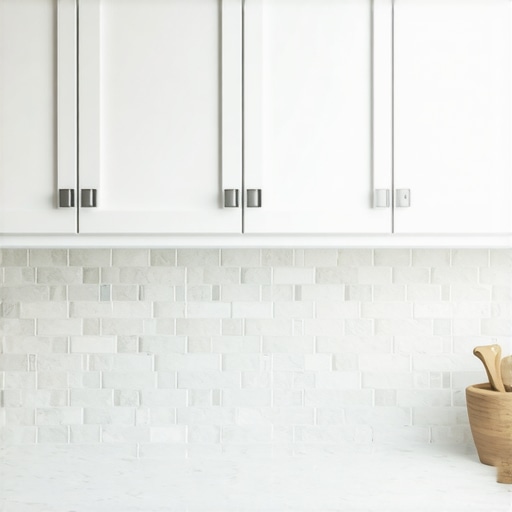
White shaker cabinets represent the industry standard for a clean, architectural look, yet they are frequently undermined by poor backsplash selection. Most homeowners treat the backsplash as a decorative afterthought rather than a critical functional component of a high-performance luxury kitchen. After fifteen years in the trade, I have seen hundreds of renovations fail because the material choice ignored basic thermal expansion and porosity laws. Choosing a backsplash is an engineering decision. The white shaker style provides a neutral, high-contrast backdrop that exposes every flaw in tile alignment or grout consistency. If you get the material science wrong, your expensive kitchen will look aged within twenty-four months. The result? Avoidable failure.
How to Pick the Perfect Backsplash for White Shaker Cabinets
The primary conflict in a white shaker kitchen involves managing light refraction. Because white paint reflects a broad spectrum of light, your backsplash material must either complement this or intentionally contrast it to avoid a washed-out appearance. I often see clients fall into the trap of choosing a tile that looks great in a showroom but turns yellow under warm LED strips. This is why the lighting error that makes your quartz countertops look cheap and yellow remains a top concern during the design phase. You must evaluate your samples in the exact Kelvin temperature of your installed lights. Failure to do so results in a chromatic mismatch that no amount of cleaning can fix.
The Thermal Stress of Modern Appliances
Modern luxury kitchens are high-heat environments. High-output air fryers and commercial-grade ranges vent significant heat directly against the wall surface. If you install a low-quality ceramic tile with a high thermal expansion coefficient, the glaze will eventually crackle. This is known as crazing. It is not a design feature; it is a structural failure of the material. I prefer materials like large-format porcelain or sintered stone which handle these temperature spikes without fatigue. The grit of tile saw dust and the chemical smell of high-performance thin-set are the hallmarks of a site where durability is prioritized over convenience. If you are placing a heavy-duty espresso machine on the counter, ensure your backsplash can handle the constant steam and vibration without losing its bond to the substrate.
Material Selection and Market Realities
Natural stone is a prestige choice, but it requires an operational commitment many are unprepared for. Marble is calcium carbonate; it reacts with acids. One splash of lemon juice near your premium cookware station will etch the surface permanently. For those who want the look without the maintenance, I recommend looking at how to choose a backsplash that wont look dated in three years for insights on long-term value. According to standards from the Tile Council of North America, grout joints should be planned based on tile size and substrate movement. I avoid traditional cement grout in white kitchens. It is too porous. It absorbs grease and particulate matter from cooking. Instead, I specify epoxy or high-performance urethane grouts. They are non-porous and color-stable. They cost more. They are harder to install. They are worth every cent.
The ROI of Slab Backsplashes
We are seeing a significant shift toward the full-height slab. By using the same material for the countertop and the backsplash, you eliminate grout lines entirely. This creates a vertical plane of stone that highlights the recessed panels of your shaker cabinets. It is a dominant architectural statement. It also makes cleaning much faster. When you are using heavy stand mixers for bread dough, flour and moisture inevitably find their way into every crevice. A slab eliminates those hiding spots. The Natural Stone Institute provides clear guidelines on the mechanical fastening required for these heavy vertical installations. Do not let a contractor tell you that adhesive alone is sufficient for a 2cm thick quartzite slab. It requires mechanical clips. Safety is non-negotiable.
Executive Strategy for Installation
If you are in a high-use kitchen, buy the most dense material available. Porcelain is king for durability. If you are in a showroom-style home where aesthetics outweigh utility, handmade zellige tiles offer a texture that contrasts beautifully with the flat lines of shaker doors. However, be aware that the irregular edges of zellige make cleaning a chore. Ensure you have the under cabinet lighting trick for better food prep visibility mastered so you can see the dirt before it becomes a permanent stain. My verdict? Sell the idea of small tiles to people who like scrubbing. Buy the slab or large-format porcelain if you want a kitchen that works for you. Invest in quality once, and you won’t be looking at a demolition crew again in five years.
Frequently Asked Questions
Does white subway tile look cheap with white shaker cabinets?
Only if the whites do not match. A cool-toned white tile next to warm-toned cabinets creates a dirty appearance. Always match the undertones or go for a deliberate color contrast.
What is the best grout for white kitchens?
Epoxy grout. It resists staining and does not require sealing. It is the only choice for a low-maintenance, high-luxury environment.
Can I install a backsplash over existing paint?
Technically yes, but it is a risk. For a professional bond, the drywall should be scuffed or replaced with a cement backer board, especially near heat sources like ranges.
How high should the backsplash go?
In a luxury layout, take it to the bottom of the upper cabinets or the ceiling if you have open shelving. Stopping at a random point on the wall looks unfinished and lowers property value.