
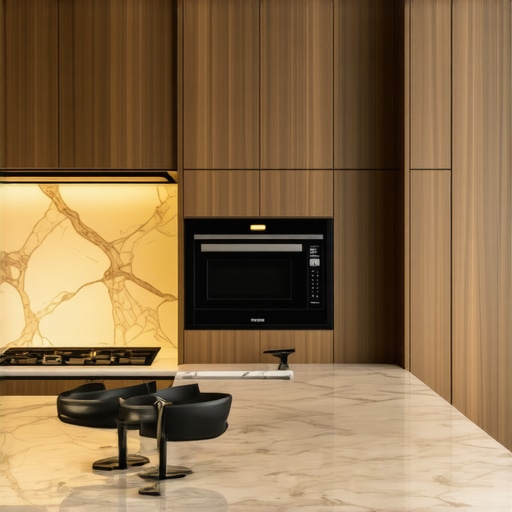
How to Hide Your Microwave in a High-End Kitchen Design
A luxury kitchen is a study in visual continuity. The moment a generic, plastic-fronted microwave breaks that line, the entire architectural intent collapses. In fifteen years of designing high-performance culinary spaces, I have seen multimillion-dollar renovations undermined by a single misplaced appliance. The microwave is an ergonomic necessity but a spatial intruder. To maintain a high-end feel, we must approach concealment not as a cosmetic fix, but as a technical integration of airflow, clearance, and utility. Failure to account for the thermal load of these units often leads to cabinet warping or premature electronic failure. If you are investing in the difference between solid core and veneer kitchen cabinets, protecting that investment starts with smart appliance housing.
The Mechanical Reality of Microwave Drawers
The microwave drawer represents the peak of ergonomic engineering for the modern kitchen. Unlike countertop units, these are designed to be built into the base cabinetry or the kitchen island. They eliminate the need for swinging doors that block traffic. Physics dictates that heat rises, and by placing the unit lower, you manage the thermal footprint more effectively within the kitchen’s ventilation scheme. Most luxury models utilize a motorized open-and-close mechanism. This prevents the jarring motion that often causes spills in traditional units. When planning the cabinet layout that fixes your workflow bottlenecks, placing the microwave drawer near the primary refrigeration unit is the most efficient move. It creates a dedicated ‘reheat station’ that stays out of the primary chef’s path. According to the National Kitchen & Bath Association (NKBA) guidelines, landing areas near these appliances are vital for safety, requiring at least 15 inches of clear counter space nearby.
The Engineering Behind Pocket Door Systems
For those who prefer a standard microwave or a convection-microwave hybrid, the pocket door cabinet is the industrial-grade solution. These doors use a heavy-duty glideway system that allows the door to slide back into the cabinet body. This is a far superior method compared to traditional flip-up doors. It requires precise hinge alignment. If the track is off by even a fraction of a millimeter, the door will bind, leading to wood-on-wood friction. I have seen custom walnut cabinets ruined by cheap slides. You must specify ‘full-extension’ pocket tracks to ensure the doors disappear entirely. This setup mimics the logic used to hide the dishwasher in a luxury kitchen design. You want a facade that matches the rest of the run, creating a wall of cabinetry that looks like furniture rather than a utility zone.
Thermal Dissipation and Structural Risks
Hiding an appliance creates a micro-climate. A microwave generates significant heat and moisture during operation. If you trap that steam inside a closed cabinet, you are inviting mold and structural rot. Modern high-end designs must include an active or passive venting system. Passive venting involves a recessed channel at the rear of the cabinet that allows air to circulate into the toe-kick or a top-venting soffit. Active venting uses a small, humidity-triggered fan. I once had to replace an entire bank of custom cabinetry because a client insisted on a tight-fit enclosure with no ventilation. Within six months, the steam had penetrated the finish, causing the grain to swell and the doors to sag. Always follow the UL 923 safety standards for microwave clearances. Most manufacturers require 2 to 3 inches of side clearance and 1 inch at the rear. Ignoring these specs voids warranties and risks electrical fires.
The Strategic Shift in Luxury Integration
The industry is moving toward ‘stealth’ appliances. We are seeing a rise in smart panels that respond to voice or gesture, revealing the microwave only when needed. In the next 12 to 24 months, expect to see more induction-integrated surfaces where the microwave functionality is built into the backsplash or under-counter zones using solid-state cooling. For now, the safest and most valuable strategy is the dedicated appliance garage with an integrated power strip. This allows for the microwave, air fryers, and stand mixers to share a hidden workspace. This approach keeps the primary stone surfaces clear for food preparation and aesthetic display.
The Final Specification
If you are building for resale value, go with the microwave drawer. It is the current gold standard in luxury real estate. If you are building for a purist aesthetic where no tech should be visible, use the pocket door cabinet with an integrated ventilation bypass. Avoid the ‘microwave over the range’ at all costs; it is an outdated design that screams mid-market and creates a safety hazard with hot liquids. Invest in the hardware, respect the thermal requirements, and keep the plastic boxes out of sight. The result? A kitchen that functions like a laboratory but feels like a gallery.
Frequently Asked Questions
Does a hidden microwave need special wiring?
Yes. Most high-end units require a dedicated 20-amp circuit. Sharing a circuit with other high-draw appliances like espresso machines will trip the breaker during peak use.
Can I put a countertop microwave inside a cabinet?
Only if the cabinet is specifically designed with a ventilation kit and the door stays open during use. Using a standard microwave in a closed, unvented cabinet is a fire risk.
What is the best height for a hidden microwave?
The center of the unit should be roughly 3 inches below the shoulder height of the primary user for a cabinet-mounted unit. For drawers, standard base cabinet height is optimal for safety and visibility.
Will hiding my microwave affect the warranty?
As long as you maintain the manufacturer’s specified air gaps and ventilation requirements, the warranty remains intact. Always keep the installation manual for your contractor to reference during the framing phase.