How to Design a Coffee Station That Doesn’t Look Cluttered
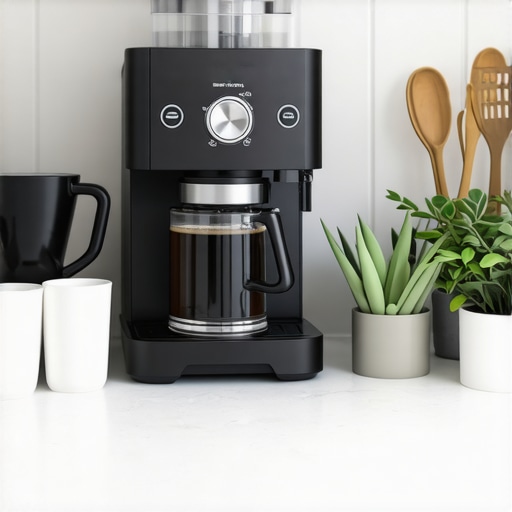
Most home coffee setups fail because they treat high-end machinery as an afterthought, forcing industrial-grade equipment into domestic spaces designed for toasters. After fifteen years of designing high-performance kitchens, I’ve seen that the primary cause of visual noise isn’t the equipment itself, but the failure to account for plumbing, power, and workflow. A true luxury coffee station isn’t a ‘nook’; it’s a dedicated piece of infrastructure that manages the physical realities of steam, heat, and vibration. If you treat your machine as just another appliance, your counter will inevitably become a graveyard of loose cables, stray grounds, and damp microfiber towels. The stake is simple: a $5,000 espresso machine looks like a bargain-bin find when surrounded by plastic accessories and disorganized pods.
The Engineering Reality of Specialized Coffee Zones
Design starts with the internal mechanics of the equipment. If you are operating a prosumer machine, you must account for the distinct difference between vibratory pumps and rotary drives. While the former is common in entry-level units, why serious home baristas are swapping vibratory pumps for rotary drives comes down to the noise profile and the ability to plumb the machine directly to a water line. Plumbing is the ultimate clutter-killer. By integrating a direct water feed and a dedicated floor or wall drain, you eliminate the daily ritual of carrying a dripping water tank to the sink. This also allows for the installation of a BWT or Mavea water filtration system below the counter. Why hard water kills expensive espresso machines and the scale filter that saves them is a technical truth many homeowners ignore until their dual-boiler system requires a $600 descaling overhaul. The Speciality Coffee Association (SCA) recommends specific mineral counts for optimal extraction and machine longevity; ignoring this leads to mechanical failure and bitter shots. Don’t just plan for the machine. Plan for the water.
Hidden Infrastructure and Electrical Load Management
Power management is the second pillar of a clean aesthetic. A luxury kitchen station often requires a dedicated 20-amp circuit, especially if you are running a high-wattage machine and a zero-retention grinder simultaneously. Standard outlets create a mess of thick, black cords. The solution? Recessed clock-receptacles installed directly behind the machine’s footprint. This allows the plug to sit flush against the wall, effectively hiding the slack. For those utilizing hidden scullery layouts for a clutter-free countertop, the coffee station can be tucked behind pocket doors. However, these doors must be engineered with ventilation. A machine left on 24/7 generates significant ambient heat. Without a vented cabinet back or a fan-assisted cooling system, you risk warping the finish of your premium cabinetry or triggering the thermal safety switch on your grinder.
The Messy Reality of Steam and Grinds
Let’s talk about what actually happens during the brewing process. Steam is a destructive force. When you use the 2-second steam wand trick for silky microfoam every time, you are releasing moisture into the immediate environment. If your station is placed under low-hanging upper cabinets, that steam will eventually delaminate the edge banding of the wood. Sensory anchors of the trade—the hiss of the dry steam, the metallic click of the portafilter, the smell of roasted oils—are parts of the experience, but the resulting mess is not. A recessed ‘wet zone’ using a material like honed granite or stainless steel provides a durable surface that handles spills better than porous marble. Integrated knock-boxes, where the grinds fall directly into a trash bin hidden in the cabinetry, are the only way to keep the counter clear of unsightly pucks.
Strategic Foresight for 2026 Kitchen Design
The industry is moving away from the ‘appliance garage’ and toward the ‘modular worktable.’ According to the National Kitchen & Bath Association (NKBA), homeowners are increasingly requesting specialized zones that mirror commercial ergonomics. In the next 12 to 24 months, we expect to see a surge in smart-plumbed systems that include auto-draining drip trays as a standard feature. We are also seeing a shift toward ‘appliance-matched’ finishes, where espresso machines are powder-coated to match the range or the cabinetry hardware. The second-order effect of this is a higher demand for custom-fabricated countertops with pre-drilled holes for power and water, much like a commercial bar setup. The era of the freestanding plastic coffee maker is over in the luxury segment.
Executive Strategy for a Clean Coffee Bar
If you are in the planning phase, my recommendation is to Buy the infrastructure before the machine. It is far easier to run a 3/8-inch water line during a renovation than to retrofit it later. If you are stuck with an existing layout, the ‘Hold’ strategy is to invest in a high-quality, weighted distribution tool and a low-profile grinder to minimize vertical clutter. Avoid the ‘Sell’ trap of buying small, decorative canisters for every accessory; they only add to the visual noise. Instead, prioritize deep drawers with custom foam inserts for your portafilters, baskets, and scales. The goal is a ‘zero-state’ counter when the machine is not in use. Use a dedicated 15-inch cabinet for bean storage away from heat sources to ensure the oils don’t go rancid prematurely. If the setup feels cramped, it probably is. The result? Total workflow failure.
Frequently Asked Questions
Does a plumbed-in machine require a floor drain?
While not strictly required, a drain line is highly recommended. You can use a smaller 3/4-inch line tied into your sink’s P-trap to handle the drip tray waste, preventing the need for manual emptying.
How do I prevent steam from damaging my cabinets?
Ensure a minimum clearance of 18 inches above the machine, or use a pull-out shelf that allows you to move the machine forward when steaming milk. Applying a steam-resistant lacquer to the underside of cabinets also helps.
What is the best countertop material for a coffee station?
Engineered quartz or dekton are superior to marble. They are non-porous and resist staining from coffee oils and heat shocks from hot portafilters.
Can I hide my grinder in a drawer?
Only if the grinder is a low-vibration, low-profile model. Most high-end grinders are too tall and produce enough static that they need to remain on the counter for easy cleaning. Focus on hiding the cord instead.
Comments are closed.