
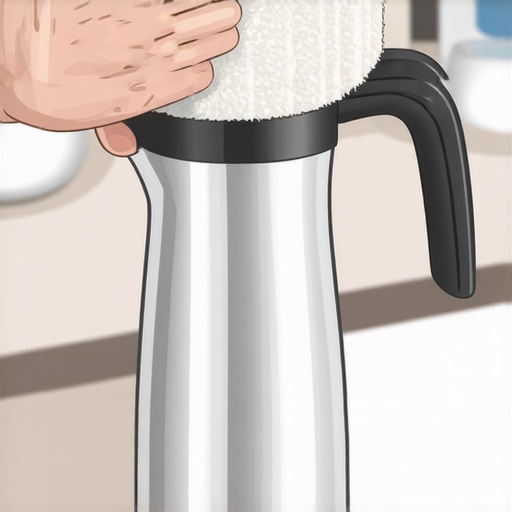
If your morning brew has developed a metallic bite or a stale, dusty aftertaste, the problem likely isn’t your beans or your water temperature. It is the carbonized oil buildup lurking inside your thermal vessel. Most owners of a high-end luxury kitchen spend thousands on espresso machines and premium cookware but treat their carafes as an afterthought. This is a technical error. After managing high-end kitchen installations for fifteen years, I have seen hundreds of expensive setups ruined by a simple failure to understand the chemistry of stainless steel liners. The result? Avoidable failure.
How to Clean the Inside of a Thermal Coffee Carafe
The engineering reality of a thermal carafe involves a double-walled vacuum-sealed environment designed to prevent heat transfer. However, coffee contains lipids—oils—that are incredibly resilient. When these oils hit the passivated surface of the interior steel, they don’t just sit there. They polymerize. Over time, these layers of hardened oil act as a microscopic sponge, trapping old flavors and harbor bacteria. Many users reach for standard dish soap. That is a mistake. Dish soap contains surfactants that are difficult to rinse from the micro-textures of the steel, leading to a chemical scent that ruins the profile of light-roast specialty coffee. This is the same reason why your espresso tastes bitter even with expensive beans; the delivery vessel is contaminating the product.
Why Abrasive Scrubbing Destroys Vacuum Seals
I have witnessed enthusiasts use steel wool or harsh brushes to scour their carafes. Stop. High-quality thermal carafes use a thin layer of chromium oxide to protect the steel from corrosion. When you use abrasives, you create micro-scratches that provide a foothold for future oil buildup. More importantly, aggressive scrubbing can compromise the structural integrity of the weld points where the inner and outer walls meet. If that vacuum seal breaks, your carafe becomes nothing more than a heavy, inefficient jar. You need a chemical solution, not a mechanical one. This mirrors the care needed for high-performance gear like how to remove scale from your espresso boiler without damage. Preservation of the material surface is the primary goal.
The Chemical Breakdown of Polymerized Coffee Oils
To effectively strip the rancid oils without damaging the hardware, you must use an oxygen-based cleaner like sodium percarbonate. When mixed with hot water, it releases hydrogen peroxide and soda ash. This effervescent reaction lifts the oils from the metal surface. Fill the carafe with boiling water, drop in your cleaning agent, and let the chemistry work for thirty minutes. You will see the water turn a dark, murky brown—that is the ghost of every cup of coffee you have brewed over the last month. The smell is distinctive; a mix of wet ash and old grease. If you neglect this, the scale buildup will eventually behave like the deposits found in poorly maintained appliances, much like why hard-water kills expensive espresso machines.
The Engineering Reality of Thermal Retention
Beyond flavor, cleanliness affects thermal efficiency. A thick layer of residue can actually slightly interfere with how heat radiates within the inner chamber. While the vacuum does the heavy lifting, maintaining a pristine reflective surface on the interior wall ensures that radiant heat stays where it belongs—in your coffee. In the world of premium stand mixers and air fryers, we often talk about torque and airflow; in carafes, we talk about surface passivity. Even static can be an issue in the kitchen environment, similar to the only way to stop your grinder from creating static, and a clean surface reduces the cling of fine particles.
Strategic Cleaning Protocols for the Home Barista
The industry is moving toward more durable, PVD-coated interiors, but for the next 24 months, the standard remains 304 or 316-grade stainless steel. As consumer expectations for flavor clarity rise, the market will likely see an influx of specialized carafe cleaners. My executive verdict? Adopt a weekly oxygen-soak protocol. If you are brewing daily, a simple water rinse is insufficient. You need to break the bond of the lipids. If you notice a persistent smell, use a mixture of one part white vinegar to three parts water as a secondary soak to neutralize alkaline residues, then rinse with filtered water. Do not use bleach. Bleach causes pitting in stainless steel, which leads to permanent damage and potential leaching of nickel or chromium into your beverage.
Strategic Action Plan
If you are using a thermal carafe daily, buy a dedicated enzymatic cleaner today. Avoid the urge to use the dishwasher unless the manufacturer explicitly states it is safe—and even then, the high-heat drying cycle can degrade the silicone gaskets in the lid. A manual, chemical-led soak is the only way to ensure the interior remains hospital-clean and flavor-neutral. This level of care ensures your luxury kitchen tools perform at their theoretical limits for years.
Common Industry Questions
Can I use baking soda and vinegar together? No. While popular on social media, the two neutralize each other immediately, creating salt water and CO2. It is visually satisfying but chemically ineffective for stripping polymerized oils. Use them separately.
Is it safe to use a bottle brush? Yes, but only if it has soft nylon bristles. Avoid anything with a metal tip that could scratch the bottom of the liner.
How often should I deep clean the lid? The lid is where the most bacteria grow. Disassemble it once a week and soak the components in the same oxygen-based cleaner used for the carafe.