
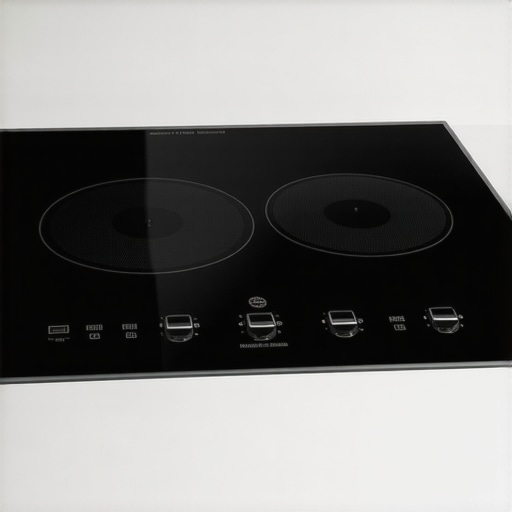
The high-pitched squeal emanating from a high-end cooktop isn’t just an annoyance; it is a signal of a fundamental mismatch between electromagnetic frequency and metallurgical density. If you spent thousands on a premium induction cooktop only to have it whistle like a tea kettle, you are not alone. After fifteen years designing and installing luxury kitchens, I have seen this issue plague even the most expensive builds. The noise is rarely a defect in the appliance itself. Instead, it is a byproduct of harmonic resonance within the cookware layers. Understanding the physics behind this oscillation is the only way to restore the silent, professional atmosphere your kitchen deserves.
How to Stop Your Induction Cooktop from Making High-Pitched Noises
The primary driver of induction noise is the vibration of different metal layers within your pans. Manufacturers often use a ‘sandwich’ construction—cladding stainless steel around an aluminum core to improve conductivity. When the induction coil’s magnetic field cycles at 20 to 50 kHz, it induces a physical vibration in these layers. If the bonding between the metals has microscopic gaps or if the metals have significantly different densities, they will rub together at high speed. This creates that piercing hum. You can verify this by performing the pan thickness test to see if your cookware is actually optimized for your specific burner output. Cheap multi-ply pans are the worst offenders here because their bonding processes are often inconsistent.
The Engineering Reality of Magnetic Resonance
Induction works via the Lorentz force, moving electrons back and forth within the base of your pan. This creates heat through friction at a molecular level. However, if the pan is too light or the base is not perfectly flat, the pan can literally lift and fall microscopic distances against the glass surface. This movement causes a ‘chatter.’ A common technical truth ignored by retail salespeople? High-wattage ‘Boost’ settings exacerbate this. The higher the energy flux, the more violent the vibration. According to technical guidelines from the International Electrotechnical Commission (IEC), magnetic field intensity is directly proportional to the acoustic output of the vessel. If you are using lightweight pans on a high-power zone, the noise is an inevitable physical outcome.
The Pan Construction Failure Point
The design of your pan’s lid and handles contributes significantly to the acoustic profile. Loose-fitting lids act as resonators, amplifying the vibration of the pan body. Even the rivets holding a handle can become ‘loose’ enough at a microscopic level to rattle during high-frequency cycles. If you find your kitchen sounding more like a machine shop than a sanctuary, check your hardware. Switching to cold-forged steel pans can often eliminate this, as the single-piece construction lacks the internal interfaces that allow for harmonic distortion. These pans possess a higher mass-to-volume ratio, which naturally dampens the energy of the magnetic field.
Another factor is the surface contact. A pan with a slightly warped base will vibrate more than a perfectly flat one. When the pan isn’t flush against the ceramic glass, the magnetic field has to ‘jump’ across the air gap, leading to uneven torque on the metal and increased noise. In my experience, this is the main reason why your induction cooktop buzzes even when using compatible brands. The quality of the magnetic grade of stainless steel matters; higher ferritic content generally results in a quieter experience.
Strategic Purchasing Strategy
Looking toward the 2026 market, we are seeing a shift toward solid-state induction modules that use variable frequency drives to minimize noise. However, until these become the standard, the burden of silence lies with your choice of tools. The National Kitchen & Bath Association (NKBA) recently highlighted that noise reduction is a top priority for open-concept home designs where the kitchen flows into the living area. For these environments, cast iron or heavy-gauge carbon steel remains the gold standard for silent operation. They are essentially ‘acoustically dead’ materials that do not resonate like thin, multi-clad alternatives.
The Executive Verdict
If you are currently facing a high-pitched noise issue, start by lowering the power setting slightly. Often, a 10% reduction in power yields a 50% reduction in noise without significantly increasing cook times. If the noise persists, it is time to audit your cookware. My recommendation: Sell the lightweight clad sets. Invest in heavy-duty, single-material or high-pressure bonded 5-ply cookware. The initial cost is a hedge against years of auditory irritation. If the cooktop itself makes a clicking noise, that is likely the internal cooling fans or power relays, which are part of the normal operation of the unit’s thermal management system.
Frequently Asked Questions
Is the high-pitched noise damaging my cooktop?
No. The noise is acoustic energy, not electrical feedback. While annoying, it will not short out your appliance, though it may indicate your pans are warping over time due to thermal stress.
Why does the noise stop when I touch the pan handle?
Your hand acts as a dampener. You are adding mass to the system and absorbing the vibrations before they can turn into sound waves. This is a clear sign that the pan construction is the culprit.
Do expensive pans always stay quiet?
Not necessarily. Some very expensive ‘seven-ply’ pans can be noisier than cheap cast iron because they have more layers that can potentially resonate. Focus on mass and base flatness rather than price alone.
Does the size of the pan matter for noise levels?
Yes. A small pan on a large burner ring creates a mismatched magnetic flux, which can increase the ‘singing’ effect. Always match the pan diameter to the burner size as closely as possible.