
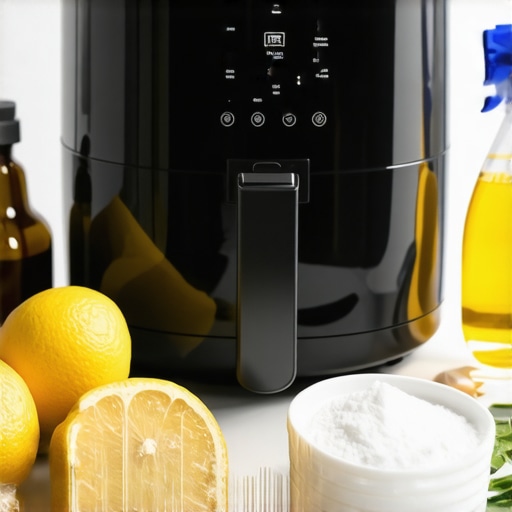
How to Stop Your Air Fryer From Smelling Like Old Oil
The acrid stench of oxidized lipids isn’t just a nuisance; it’s a chemical signature of mechanical and maintenance failure. After years of diagnosing high-end kitchen hardware, I have seen that most owners treat their air fryers like a standard oven. The physics are different. A standard oven relies on static heat. An air fryer is a high-velocity convection turbine. When you cook high-fat proteins, the fan aerosolizes oil droplets, forcing them into the upper mechanical assembly. These droplets don’t just disappear. They hit the heating element and the fan blades, forming a polymerized lipid film that reeks of rancidity every time the unit draws current. This is the operational reality: if your machine smells, you are literally vaporizing old lard into your fresh food.
The Physics of Lipid Polymerization
Lipid polymerization happens when oil is repeatedly heated near its smoke point, causing molecules to cross-link into a tough, plastic-like varnish. In the tight confines of a luxury air fryer, this process accelerates. The high-speed airflow creates a centrifugal effect, throwing these particulates against the heating coil. Once they bond, standard soap and water won’t touch them. This creates a persistent thermal load on the element, reducing efficiency and producing that characteristic ‘old fryer’ odor. To mitigate this, transitioning to non-toxic ceramic builds can offer better surface tension against grease, but the mechanical cleaning requirement remains absolute. You aren’t just cleaning a basket; you are managing a convection cycle.
The Heating Element Failure Point
Ninety percent of users never look up. The ‘ceiling’ of your air fryer, where the heating element sits behind a mesh or exposed coil, is the primary reservoir for stale smells. Gravity and airflow ensure that grease finds its way there. Over time, these deposits carbonize. When the coil heats to 400°F, it pyrolyzes the old carbon, releasing a blue-grey haze and a stinging smell. For those prioritizing health, choosing medical-grade stainless steel air fryers prevents the off-gassing associated with degraded non-stick coatings, but even steel requires a degreasing protocol. The smell is a warning: the element is struggling to breathe through a layer of burnt fat.
Thermal Degradation and Aerosolized Contaminants
The technical truth is that air fryers operate as miniature industrial exhaust systems without the benefit of a professional scrubber. According to research by AOAC International regarding lipid oxidation, the thermal breakdown of fats creates volatile organic compounds (VOCs) that adhere to every surface. If you use low-quality plastic units, these VOCs can even leach into the housing itself. This is why many discerning chefs are moving toward tempered glass basket configurations which eliminate porous surfaces that trap odors. Without a glass or high-grade ceramic barrier, the smell becomes part of the machine’s DNA. The result? Avoidable failure and ruined expensive ingredients.
The Deep Degreasing Protocol
Fixing the smell requires more than a quick rinse. You need a pH-neutral degreaser or a paste of sodium bicarbonate and minimal water. Flip the unit upside down (when unplugged and cold). This exposes the element. Apply the paste, let it sit for twenty minutes, and use a soft-bristled brush to break the polymerized bond. Avoid using steel wool. You don’t want to scratch the heating sheath. Wipe it clean with a damp microfiber cloth. The weight of industrial-grade steel vs. cheap aluminum becomes apparent here; cheap elements will bend, while high-end hardware stands up to the scrub. This isn’t just cleaning; it’s restoring the thermal conductivity of the device.
Industry Shifts Toward 2026 Ventilation Standards
The market is shifting. In the next 18 months, we expect to see integrated catalytic converters and active carbon filtration systems becoming standard in the $500+ air fryer segment. Regulatory changes regarding indoor air quality, often cited by ASHRAE standards, are pushing manufacturers to address the ‘blue smoke’ problem. We are seeing a move toward modular fan assemblies that can be popped out and placed in a dishwasher. The days of fixed, inaccessible heating coils are numbered. The industry knows that the smell of old oil is the number one reason consumers stop using their devices after six months.
The Executive Verdict
Stop using aerosolized cooking sprays; the lecithin in them is a primary driver of polymerization. Instead, use high-smoke-point oils like avocado or grapeseed, and apply them with a brush. If your unit already smells, perform the upside-down deep clean immediately. If the smell persists after three deep cleans, the oils have likely penetrated the motor housing or the fan bearings, and it is time for a hardware replacement. Buy for durability, not for the lowest price point. Focus on units with accessible elements and non-porous materials like glass or ceramic.
Frequent Questions Regarding Air Fryer Odors
Does the ‘lemon trick’ actually work?
Steam cleaning with lemon and water can neutralize mild surface odors, but it won’t dissolve the polymerized grease on the heating element. It is a cosmetic fix for a mechanical problem.
Will a deep clean void my warranty?
Most manufacturers allow for user cleaning of accessible parts. However, never submerge the base or disassemble the housing unless specifically directed by the manual.
How often should I clean the heating element?
For heavy users, every 10 to 15 cycles. For occasional users, once a month is the minimum requirement to prevent carbonization.
Are ‘non-stick’ smells different from ‘old oil’ smells?
Yes. A chemical, plastic smell usually indicates the PTFE or PFOA coating is overheating or degrading. A rancid, heavy smell is almost always old food or oil residue.