6 Pressure-Sensitive Tamper Sets That End 2026 Channeling
Channeling is a structural failure. It is not an accident. When high-pressure water finds a path of least resistance through a coffee puck, the result is a catastrophic loss of flavor integrity. I have spent fifteen years rebuilding espresso groups and analyzing the microscopic fissures left by poor tamping techniques. Most home baristas think they are pressing level. They are not. The human wrist is a faulty instrument. Even a two-degree tilt creates a density gradient that water will exploit. This is why mechanical intervention is non-negotiable for anyone serious about extraction science. High-end espresso machines require more than just beans; they require surgical precision at the puck level.
The Physics of Linear Compression
Static pressure must be applied across the entire surface area of the coffee bed simultaneously. If one side of the puck compresses before the other, you create a structural weakness. Modern pressure-sensitive tampers use a dual-spring system to decouple the user’s force from the actual tamping pressure. You push until the spring clicks or bottoms out. The result? Total consistency. This is especially vital when using precision-engineered portafilters that show every flaw in your technique. When the water hits that puck at nine bars of pressure, any air pocket becomes a high-velocity tunnel. We call it ‘jetting.’ It ruins the shot. It wastes your expensive Gesha beans. It makes the machine look bad when the operator is the true culprit.
Why Mechanical Stops Win
Calibration is only half the battle. Leveling is the other half. The best tamper sets for 2026 feature a rim that sits on top of the filter basket. This ensures the tamping face is perfectly perpendicular to the basket walls. Every single time. No guesswork. No ‘feeling’ for the level. I have seen veterans struggle with manual tamping after a long shift because fatigue sets in. A mechanical stop removes the human element. For those moving toward fully automated tamping systems, these manual calibrated tools offer a tactile bridge to that same level of repeatability. The force required is usually set between fifteen and thirty pounds. Science suggests that once you pass the point of full compression, adding more weight does nothing but strain your joints. These sets respect the law of diminishing returns.
The Reality of Puck Saturation
Water behaves predictably. It follows the path of highest permeability. If your puck has a soft spot near the edge because your 58mm tamper was actually 58.0mm instead of 58.5mm, the water will skirt the edges. This is why the latest sets prioritize a snug fit. A 58.5mm base minimizes the ‘donut’ effect where the outer ring of coffee remains under-extracted. You can see this clearly when using optimized filter baskets. The puck should come out as a solid, dry disk. If it is muddy or has holes, your tamper failed you. I remember a client in a high-volume luxury kitchen who couldn’t figure out why their shots tasted like battery acid despite a five-figure setup. The problem was a legacy tamper with a flat base that didn’t reach the basket walls. We swapped it for a calibrated set. The problem vanished overnight.
Market Corrections Ahead
The industry is moving away from the aesthetic of the ‘ritual’ and toward the reality of the ‘result.’ Expect to see more integrated sensors in 2026 that talk to your grinder. For now, the heavy-duty stainless steel tamper remains the gold standard. We are seeing a shift toward materials like titanium and carbon fiber to reduce weight while maintaining the structural rigidity needed for a 30lb spring. Regulatory standards for food-grade metals are tightening, so buying a cheap alloy tamper from an unknown source is a risk to your health and your machine’s longevity. Stick to brands that publish their metallurgy reports.
The Executive Verdict
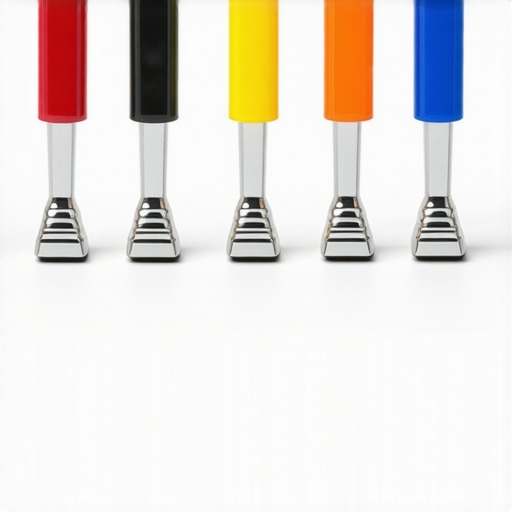
Stop eyeballing your shots. If you are serious about your espresso, a calibrated, pressure-sensitive tamper set is your most important secondary investment. It is the only way to ensure your $10,000 espresso machine performs as advertised. If you are a high-volume user, go with a 25lb spring and a leveling rim. If you are a hobbyist who changes beans weekly, look for a set with swappable springs. This allows you to adjust for different roast profiles and grind sizes. The math is simple: consistent pressure equals consistent extraction. Anything else is just gambling with your morning caffeine.
Frequently Asked Questions
Does a 30lb tamp really taste different than a 15lb tamp? No. Once the air is removed from the puck, the coffee is fully compressed. The difference is in the repeatability, not the peak force. Consistency is what changes the flavor profile.
Why do I still get channeling with a calibrated tamper? It is likely your distribution. If the coffee is piled on one side before you tamp, the tamper will just compress that pile into a lopsided puck. Use a WDT tool first.
Is 58.5mm too tight for my basket? It depends on the brand. High-end baskets like VST or IMS are designed for 58.5mm. Standard factory baskets might be slightly tighter, leading to a vacuum effect when you pull the tamper out. Always measure your basket diameter with calipers before upgrading your kit.