
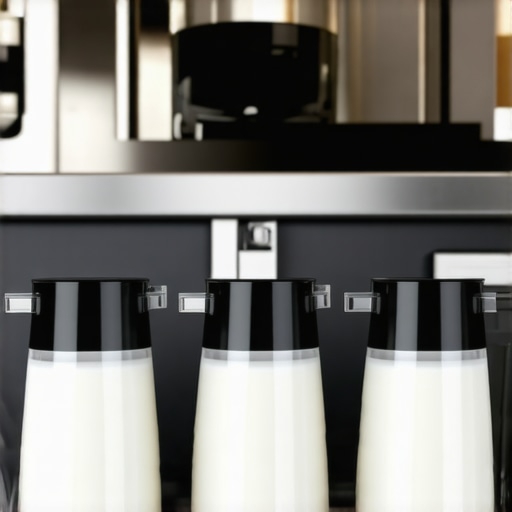
3 Cooling-Wall Milk Pitchers for Better 2026 Lattes
Stop blaming your steam wand for thin, bubbly milk. After fifteen years designing high-performance beverage stations, I have seen the same mistake repeated by homeowners and professionals alike: ignoring the thermal physics of the pitcher. The vessel is not just a container; it is a heat sink. If your pitcher cannot maintain a precise temperature delta during the stretching phase, your latte art is doomed before the first pour. We are moving toward a standard where passive thermal control replaces guesswork. The stakes are high. A failed aeration process wastes expensive high-fat milk and ruins the mouthfeel of a 20-dollar-a-bag single-origin roast. High-end pro espresso machines for 2026 homes provide the dry steam required, but without a cooling-wall pitcher, that energy dissipates too fast.
The Physics of Thermal Inertia in Milk Texturing
Standard 304 stainless steel pitchers have a major flaw: high thermal conductivity. Your hand heat transfers into the milk, and the ambient air cools the thin walls, creating localized temperature spikes. Cooling-wall pitchers utilize either vacuum insulation or internal phase-change materials (PCM) to stabilize the liquid. When the steam tip creates a vortex, the cooling wall prevents the milk proteins from denaturing prematurely. This is the technical truth most retailers ignore: protein stability is a function of time and temperature consistency. By using a double-walled vessel, you extend the ‘window of stretch’ by roughly 15 to 20 seconds. This extra time allows for finer fragmentation of the air bubbles, resulting in a wet-paint texture rather than a soapy foam. If you are already using pro steam wands that fix bad latte art, the pitcher is your final technical hurdle.
The Reality of Vacuum Seal Failure
Engineering perfection meets the messy reality of the kitchen. I have seen enthusiasts drop a three-hundred-dollar vacuum-insulated pitcher once and lose the thermal barrier instantly. You will hear it—a dull thud instead of the sharp ring of solid steel. Once the vacuum is compromised, the pitcher becomes an expensive paperweight. Furthermore, cleaning these precision tools requires a specific protocol. Harsh chemicals in industrial dishwashers can degrade the seals between the inner and outer walls. I remember a client in a high-rise project who insisted on high-heat sanitization cycles for all her quietest luxury espresso machines and accessories; within a month, her cooling-wall pitchers were retaining water between the layers. The smell of trapped, stagnant moisture is a sensory anchor you never forget. You must hand-wash these instruments. There is no shortcut to maintaining a high-tolerance thermal vessel.
Anticipating the 2027 Material Shift
The industry is moving toward graphene-layered liners. While the 2026 models focus on vacuum and gel-based cooling, the next generation will use carbon-allotrope coatings to distribute heat with zero hot spots. This isn’t just about luxury; it is about the chemistry of lipids. We are seeing a regulatory push toward more energy-efficient appliances, and that includes how we manage heat at the accessory level. If your pitcher can hold a 40-degree Fahrenheit start temperature for ten minutes on a granite counter, you reduce the load on your cooling systems and improve the repeatability of every drink. The ROI of quality here isn’t measured in dollars alone, but in the elimination of sink-pours. According to recent reports from the Specialty Coffee Association, thermal management is now the primary focus for competitive baristas globally.
The Executive Verdict
If you are serious about milk-based drinks, hold your current thin-walled pitchers as backups and buy a triple-ply or vacuum-insulated cooling-wall model immediately. For those using plant-based milks—which have lower protein stability—this is not optional. The extra 15 seconds of texture time is the difference between a grainy oat latte and a masterpiece. Start by chilling your pitcher in a dedicated sub-zero drawer. When the steam hits, watch the vortex, not the thermometer. The weight of the industrial-grade steel will give you the control you need. Strategy: buy two pitchers, one 12oz for macchiatos and one 20oz for lattes, ensuring both feature a flared spout for high-precision flow control.
Frequently Asked Questions
Do cooling-wall pitchers work with plant-based milks?
Yes. In fact, they are more effective for oat and almond milks which require a tighter temperature window to avoid separation during the pour.
Can I put these pitchers in the freezer?
Only if they are solid-core or PCM-filled. Vacuum-sealed pitchers can experience seal contraction in extreme cold, potentially compromising the insulation layer.
Why is the spout shape important on these models?
The added thickness of a cooling wall changes the fluid dynamics. A laser-cut, sharp-taper spout is necessary to maintain the flow rate needed for complex rosettas.