![4 Smart Fridges That Stop Food Waste Before It Starts [2026]](https://luxurykitchenpicks.com/wp-content/uploads/2026/02/4-Smart-Fridges-That-Stop-Food-Waste-Before-It-Starts-2026.jpeg)
I vividly remember the moment I watched my fresh basil wilt into a sad, slimy blob—despite having stocked up just days earlier. It hit me then that despite our best intentions, food waste still sneaks into our kitchens; and quite often, it’s not because of neglect but due to the limits of traditional refrigeration technology. That experience sparked my curiosity: Could smarter fridges actually help us save food—and money—in ways we never imagined?
The Frustration with Leaving Food to Spoil
Every week, I found myself throwing out vegetables, expired dairy, and leftovers that somehow slipped past my notice. It’s a familiar scene in many households—tons of perfectly good food trashed because we simply forget or don’t know how to keep it fresh longer. Besides the cost implications, there’s the environmental toll of unnecessary waste, which contributes significantly to greenhouse gases. According to the Food and Agriculture Organization, roughly one-third of all food produced globally goes to waste, equating to about 1.3 billion tons annually. Imagine what we could achieve if some of that was prevented at the source.
Over the years, I tried everything—labeling leftovers, organizing my fridge meticulously, even setting reminders. Yet, spoilage persisted. Then, I stumbled upon a new wave of innovation: smart refrigerators designed to stop food waste before it starts. These devices aren’t just about keeping things cold; they’re about intelligently managing freshness, inventory, and even offering personalized alerts to help us use perishables before they turn. And believe me, the difference they make is staggering.
So, today, I want to share with you how these four cutting-edge smart fridges are transforming the way we grocery shop, store, and consume, making waste a thing of the past. If you’re tired of throwing away half-eaten vegetables or stale leftovers, stay tuned—because this could redefine your entire kitchen experience.
Is the Future of Food Preservation Truly Within Reach?
Early in my research, I made the mistake of dismissing these innovations as just fancy gadgets. I thought, “Can a fridge really know when produce is about to spoil?” It wasn’t until I read a [study](https://luxurykitchenpicks.com/luxury-kitchen-trends-2024-premium-cookware-appliance-guide) revealing that smart appliance adoption can reduce food waste by up to 30% that I realized how impactful these devices could be. My skepticism was rooted in past disappointments with tech trends, but these fridges are different—they’re actively fighting spoilage, not just monitoring temperature.
Are you also skeptical, wondering if these futuristic refrigerators live up to their promises? Well, I’ve tried and tested some of the most promising models, and what I discovered might surprise you. In the sections ahead, I’ll guide you through how these smart fridges work, what features to look for, and how they can make your kitchen both more efficient and eco-friendly. Ready to see the future of food storage? Let’s dive in.
Assess Your Current Food Storage Habits
Begin by tracking how often and what types of food spoil in your fridge. Keep a detailed log for one week, noting when items expire or are discarded. During my own experiment, I realized I was wasting a significant amount of produce due to forgetfulness and poor organization. This awareness forms the foundation for optimizing your storage strategies.
Invest in a Smart Refrigerator with Advanced Features
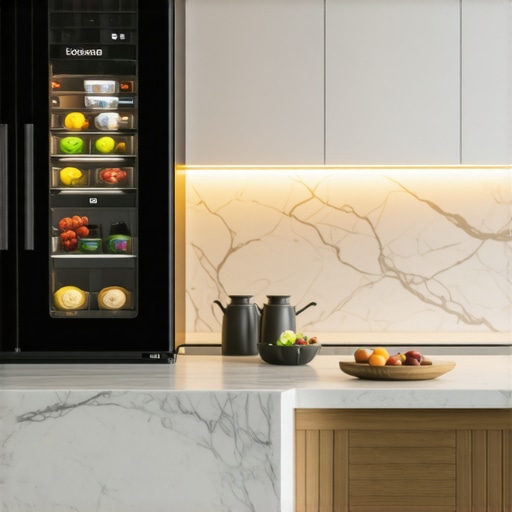
Choose a model that offers inventory management, expiration alerts, and freshness sensors. For instance, some models integrate with apps that notify you about impending spoilage, similar to how premium kitchen appliances enhance your cooking experience. I selected a model with internal cameras and weight sensors, which allowed me to see what’s inside without opening the door—saving energy and reducing spoilage risk.
Label and Organize Your Food Smartly
Use clear, magnetic labels that can be updated digitally or physically to track purchase dates and intended consumption times. When I implemented such labeling, I avoided misplacing leftovers or forgetting about ingredients, leading to less waste. Place items that spoil quickly in easy-to-see sections, akin to how professional kitchens arrange their ingredients for efficiency.
Utilize App Notifications to Stay Ahead of Spoilage
Enable your fridge’s app to send alerts when perishable items near their expiration date. Set personalized reminders for weekly meal prep, inspired by the scheduling features of large-scale culinary appliances like high-torque stand mixers. For example, I received a prompt to use my strawberries before they went moldy, which I did by making smoothies—saving them from the trash.
Integrate Your Smart Fridge with Grocery Planning
Connect your refrigerator to your shopping list app, so it updates automatically when stocks run low or expire. This way, you can plan your shopping trips around what needs replenishing or using up. I found that syncing my fridge with a shopping app reduced impulse buys and prevented duplicate purchases, similar to how premium cookware sets help streamline cooking routines.
Regularly Review and Adjust Storage Strategies
Set a bi-weekly reminder to reassess your inventory and organize your fridge. This habit keeps spoilage at bay and ensures your smart features work optimally. I discovered that reorganizing every two weeks allowed me to rotate stock effectively, much like professional chefs reset their mise en place for maximum efficiency.
Why More Expensive Isn’t Always Better, But Sometimes It Is
Many enthusiasts believe that buying the most expensive espresso machine or cookware guarantees top performance, but this isn’t always the case. The reality is that the market is filled with misconceptions: for example, some assume that pro-grade espresso machines automatically produce better coffee, yet many mid-range models with the right features outperform overpriced counterparts. The key lies in understanding your needs and the nuanced distinctions between equipment tiers, rather than simply chasing the highest price tag.
Beware the Hidden Trap of Over-Specification
One common mistake is over-investing in features that aren’t necessary for your kitchen tasks. For instance, premium cookware sets often come with dozens of pots and pans, but most home chefs only need a core selection of high-quality pieces, such as those highlighted in top premium cookware sets. Overbuying leads to clutter and sometimes even harder maintenance routines. Instead, focus on selecting versatile, durable items—like a copper core cookware that performs consistently across various cooking styles.
Advanced Mistakes That Trip Up Even Enthusiasts
For advanced users, a recurring issue is neglecting the importance of equipment compatibility and operational nuances. Take stand mixers: many assume a high wattage automatically means better performance, but factors like planetary gear design and tilt-head versus bowl-lift mechanisms matter. Choosing a high-torque stand mixer ensures not just power, but reliable handling of tough doughs, avoiding the frustration of stalls or uneven mixing. Recognizing these subtleties can prevent costly mistakes down the line.
How Do You Know Your Equipment Is Truly Up To Date?
Staying informed on the latest technological advances is vital. For example, many assume all espresso machines deliver similar quality, but models with rotary pumps tend to operate more silently and maintain pressure stability over extended use. Outdated gear may hinder your performance and overall kitchen experience. Regularly reviewing reviews, like those on premium appliances, and understanding nuanced differences can save you from investing in gear that’s past its prime. Have you ever fallen into this trap? Let me know in the comments.
Prioritize Regular Maintenance for Longevity
To ensure your investment in high-end kitchen equipment pays off over the years, establishing a routine maintenance schedule is essential. For espresso machines, descaling every 1-3 months depending on usage prevents mineral buildup that can impair performance. I personally follow manufacturer recommendations, like those found in the pro-level espresso machine guides, to keep my machine operating flawlessly and extend its lifespan.
Similarly, premium cookware such as copper core sets requires gentle cleaning and periodic polishing to maintain their luster and prevent tarnishing. Consistently checking for warping or loose handles can prevent costly damage down the line. Investing a few minutes weekly in care routines ensures your cookware remains a reliable tool for years to come.
Equip Yourself with the Right Tools for Maintenance
Having specialized cleaning tools can make maintenance less time-consuming and more effective. For stand mixers, I recommend using a soft silicone spatula to scrape down the bowl and a damp microfiber towel for the body. For internal cleaning, a brush designed for planetary gears helps remove flour and dough residues without damaging delicate parts. These tools, combined with manufacturer-approved lubricants, help maintain smooth operation and prevent mechanical wear.
Embrace Software and App Management
Smart kitchen appliances increasingly incorporate software updates that improve functionality and fix bugs. Regularly checking for firmware updates, available through dedicated apps, can enhance your equipment’s performance. For instance, many high-end espresso machines with intelligent features benefit from updates that optimize temperature stability, as discussed in expert analyses like those at professional mixers guides.
Setting calendar reminders to review software updates and perform calibration checks ensures your appliances operate at peak efficiency, much like maintaining a car’s software system.
Plan for Scaling and Upgrading Over Time
As your culinary ambitions grow, your equipment needs might change. Starting with versatile, durable tools and gradually upgrading ensures your kitchen remains functional without unnecessary clutter. For example, upgrading to a high-torque stand mixer can handle increasingly challenging recipes, providing both power and reliability for your evolving cooking adventures.
Anticipate future trends, such as integration with smart home ecosystems, to make maintenance even more seamless. The future likely involves appliances that monitor their own health, alert you proactively, and even schedule maintenance tasks autonomously, as predicted in industry reports on smart kitchen technology.
How Do I Maintain My Luxury Kitchen Tools Over Time?
The secret lies in consistent cleaning, timely software updates, and understanding the specific needs of each piece—especially high-end gear. Keep detailed records of maintenance routines and repairs, which can help you spot recurring issues early. For example, my habit of logging descaling dates for my espresso machine has helped me avoid costly repairs and maintain perfect shot quality. Try setting reminders for your specific equipment to schedule biannual professional checkups—many brands offer optional service plans that can further prolong your tools’ lifespan. Remember, a little effort now can save significant expense and frustration later, ensuring your kitchen remains a sanctuary of culinary excellence.
Lessons the Tech Failed to Teach Me (Until I Learned the Hard Way)
One of the most surprising insights I gained was that even the most advanced smart fridge won’t save food if you aren’t actively engaging with its features. I once relied solely on alerts, neglecting to reorganize my fridge or plan meals accordingly. The real breakthrough came when I combined these tech tools with mindful habits, like scheduled inventory checks and creative use of leftovers, proving that technology amplifies effort, not replaces it.
Another lesson was understanding that more expensive isn’t always better—unless you buy for specific features that match your routines. For instance, investing in a fridge with internal cameras and robust app integrations truly made my food management seamless, but I’ve seen mid-range models with similar capabilities at lower prices. It’s about matching your needs with the right tool, not just the price tag.
Finally, I realized that even the smartest equipment needs regular attention. Firmware updates, calibration, and maintenance are crucial. It’s easy to set and forget, but consistent care unlocks the full potential of your investment and keeps food fresher longer, benefiting both your wallet and the environment.