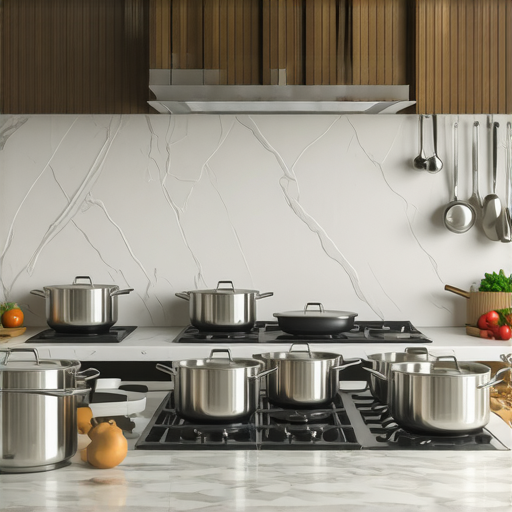
I remember the moment it hit me—after investing in top-tier appliances and sleek countertops, I was still battling uneven searing that left my steaks patchy and my vegetables randomly burnt. It was frustrating, like trying to piece together a gourmet meal with the wrong tools. Ever felt that way? That was my lightbulb moment. I realized, no matter how advanced my kitchen looked, my pans were holding me back. Today, I’m excited to promise a solution that changed everything for me: the remarkable 4 Titanium-Core Pans designed specifically for 2026 induction stoves. These pans promise even heat distribution and durability like no other, and I can’t wait to share my journey with you.
Why Your Pans Might Be Sabotaging Your Cooking Goals
Is It Really Worth the Hype? Common Fears About Titanium-Core Pans
When I first heard about titanium-core cookware, skepticism crept in. Would they truly last? Could they handle high heat without warping? My early mistake was sticking with the stainless steel pans I’d used for years—costly, yes, but prone to hotspots and uneven searing on my induction stove. I thought I was making a smart choice until I realized that the right pan could elevate my culinary game exponentially. For those hesitant about investing in premium pans, I understand the hesitation—I’ve been there. However, studies have shown that proper cookware can significantly improve cooking efficiency and food quality, making the initial expense worthwhile (source: [LuxuryKitchenPicks](https://luxurykitchenpicks.com/6-pure-titanium-skillets-for-2026-that-outlast-cast-iron)). Now, let’s explore what makes these titanium-core pans so different and how they can finally resolve your uneven searing woes.
Choose the Right Pan and Set Clear Heating Expectations
Start by selecting a high-quality titanium-core skillet from the recommended 2026 models, such as those detailed on Premium Titanium Pans. When you get home, wash the pan with warm, soap-free water to remove any manufacturing residues. Turn on your induction stove to a medium heat setting, then place your pan to preheat for 2-3 minutes. This step ensures the pan’s core heats evenly, setting the stage for optimal cooking. Remember, induction cooktops react swiftly, so adjusting heat settings precisely is crucial to prevent uneven cooking.
Preheat Properly and Test Your Temperature
Preheating is essential. After allowing the pan to warm for a couple of minutes, sprinkle a few drops of water on the surface. If they dance and evaporate quickly, your pan is ready. Use this simple test during your initial sessions to gauge your stove’s temperature response. During one of my early attempts, I preheated the pan excessively, leading to hot spots that caused uneven searing. Now, I rely on the water test and adjust the induction power accordingly, resulting in uniform heat distribution, which you can also achieve with practice.
Learn to Manage Cooking Time and Heat Levels
Understanding your pan’s heat retention is key. For delicate tasks like searing fish or caramelizing vegetables, start with medium-high heat and monitor the progress closely. For more controlled cooking, reduce to medium after the initial sear or sizzle. When I practiced this with a batch of caramelized onions, I lowered the heat after five minutes, which prevented burning and resulted in evenly browned, flavorful onions. Patience and attention to temperature adjustments ensure your titanium-core pans perform at their best and prevent hotspots that spoil your dishes.
Utilize Proper Techniques to Maximize Even Cooking
Adopt techniques like the tilt-and-lift method: lift the pan slightly and tilt to see if heat distribution looks even. If you notice uneven browning or hot spots, adjust pan positioning or heat levels immediately. For steaks, I found that flipping every minute promoted uniform searing. This method, combined with the pan’s even heat, yielded restaurant-quality results. Incorporate a preheated oven when finishing dishes, as many chefs cure the heat imbalance problem by transferring hot pans directly into the oven for finishing, especially useful with paired premium cookware for added finesse.
Maintain and Clean for Long-Lasting Performance
After cooking, let your pan cool slightly before cleaning. Use warm water and a non-abrasive sponge to wipe away residue. Avoid harsh detergents or steel wool that can damage the titanium core. For deep cleaning, occasionally season the pan with a light coat of oil to reinforce the non-stick surface and preserve heat conduction. I once neglected to clean my pan promptly, leading to stubborn residue; now, regular gentle maintenance keeps my cookware performing like new, unlocking the full potential of your investment. For storage, avoid stacking pans without protective layers to prevent scratches that could impair heat distribution.
Many enthusiasts assume that mastering espresso machines, air fryers, stand mixers, or premium cookware is simply about selecting the latest gadgets. However, the real challenge lies in understanding the nuanced differences that separate good from exceptional. For example, everyone touts the importance of wattage in air fryers, but in my experience, consistent hot zones and precise airflow distribution matter far more to achieve perfect crispiness. _This misconception often leads cooks to overestimate power ratings, overlooking the significance of airflow design._ Conversely, many believe that all high-end cookware brand names guarantee even heat distribution. Yet, even premium pans can underperform if not used correctly or if the heat source isn’t compatible, such as misjudging induction compatibility. Did you know that most people underestimate the importance of preheating in espresso machines? Not all machines heat equally fast or evenly, which impacts shot consistency. A common mistake I see is neglecting the detailed calibration of grinders and brew temps, which require a sophisticated understanding of your equipment’s capabilities. _Understanding the intricacies of temperature profiling and pressure stabilization can elevate your espresso experience from amateur to barista-quality._ From my experience, many get caught up in the allure of automation. For example, with premium stand mixers, some believe that larger motor wattage equates to better performance. Yet, high torque and gear design play a more critical role, especially when kneading heavy dough or multiple ingredients. _Doubling down on misinterpreted specs can lead to unnecessary expenses and subpar results._ On an advanced level, a hidden trap is trusting brand reputation over specific features. For instance, an excellent premium cookware brand might overlook the importance of construction details like multi-layered bases for induction compatibility.
Make no mistake—overlooking these nuanced details can hamper your kitchen’s potential. Recognizing that luxury is as much about technical finesse as it is about aesthetics is key to true mastery. Having these insights can save you from costly mistakes and elevate your culinary results. Have you ever fallen into this trap? Let me know in the comments. For more advanced tips, check out our comprehensive guides on AI-powered espresso machines or premium cookware that lasts a lifetime.
How Do I Keep My High-End Kitchen Equipment in Peak Condition?
Maintaining luxury kitchen appliances like premium cookware, espresso machines, and air fryers requires more than just routine cleaning. I rely on specialized tools such as silicone scraper pads and microfiber cleaning cloths to ensure my cookware remains scratch-free and their heat conduction remains optimal. For delicate espresso machines, descaling tools like the automatic cleaning systems save time and prevent mineral buildup that can impair performance over time. When I notice my air fryer isn’t crisping as efficiently, I perform a deep clean using a mixture of white vinegar and baking soda—a homemade solution I prefer for its non-toxicity and effectiveness. These maintenance routines extend the lifespan of my appliances, ensuring they perform like new even years after purchase.
Essential Tools for Longevity
Investing in quality maintenance tools is crucial. For example, a digital infrared thermometer helps me monitor cookware surface temperatures accurately, preventing warping and uneven heating. I also use a soft-bristle brush for cleaning vent screens on my espresso machine, which occasionally trap oil residue, affecting flavor extraction. A ThermoPro food thermometer ensures precise temperature management during baking or simmering, protecting my cookware’s integrity. Notably, using recommended cleaning and calibration tools can significantly improve the longevity of your appliances, as detailed in technical documentation like manual lever espresso machine guides. Incorporating these tools into your routine keeps everything running smoothly and prevents costly repairs or replacements.
The Future of Maintenance for Luxury Kitchen Equipment
As smart appliances become more integrated with IoT technology, future maintenance will likely embrace automated diagnostics and predictive analytics, minimizing downtime. For instance, smart espresso machines already monitor internal components and alert you when descaling is needed. My prediction is that within the next decade, AI-powered maintenance systems will become standard, allowing appliances to self-diagnose issues before they manifest. This trend not only saves time but also preserves the investment in high-end kitchen gear, ensuring peak performance over decades rather than years.
Your Next Step in Appliance Care
To get the most out of your luxury kitchen setup, I recommend starting with a deep cleaning session using a homemade descaling solution on your espresso machine or air fryer. This simple step can dramatically extend their lifespan and maintain superior results. By integrating specialized cleaning tools and adopting proactive maintenance habits, you’ll keep your appliances functioning impeccably for years to come. Ready to elevate your routine? Try using a digital infrared thermometer to monitor your cookware’s surface temperature and experience immediate improvements in heat consistency. For more insight into premium appliance upkeep, check out our detailed guides on self-cleaning espresso machines and other top-tier tools designed for longevity.
What I Wish I Knew When Starting My Luxury Kitchen Journey
One of the biggest lessons I learned was that even the most advanced equipment demands knowing its quirks. For example, I initially believed that high wattage alone would ensure perfect results, but I soon discovered that airflow design in my air fryer significantly impacted crispiness. It’s these subtle technical truths that separate good from truly exceptional cooking experiences.
Another insight was the importance of consistent preheating. I used to skip this step, leading to uneven searing or flavor extraction. Now, I always test with water drops or infrared thermometers for precision, which transformed my dishes.
Tools That Changed My Approach to Kitchen Excellence
- Infrared Thermometers: I trust these for accurate temperature checks on pans and cookware, preventing warping and ensuring even heat.
- Specialized Cleaning Kits: Using gentle brushes and descaling solutions tailored for espresso machines has prolonged their lifespan and improved performance.
- Quality Cookware Sets: Investing in multi-layered, titanium-core pans proves invaluable—see why at our top picks. Their durability is unparalleled, especially for daily high-heat cooking.
Embrace the Future of Kitchen Mastery
The excitement isn’t just in upgrading appliances but in the ongoing journey of mastery. As smart technologies evolve, I see a shift toward appliances that diagnose and self-maintain, saving you time and extending their pristine performance. Think of your kitchen as a living system that learns and adapts, enabling you to focus more on creativity than troubleshooting.
So, take that step today—whether it’s performing routine deep-cleaning with natural descaling solutions or experimenting with precise temperature controls—and watch your culinary results soar. Remember, excellence in the luxury kitchen isn’t just about tools; it’s about cultivating a mindset of continuous improvement.
Are you ready to unlock your kitchen’s full potential? Share your biggest challenge below, and let’s overcome it together!