
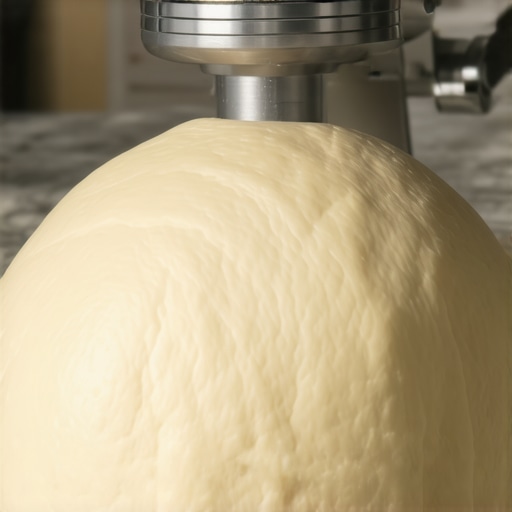
You’ve carefully weighed your flour and water, but as soon as the dough hook starts to turn, your expensive appliance begins to groan, vibrate, and emit a faint smell of hot electrical coils. If you’ve noticed why your stand mixer is getting hot during bread kneading, you aren’t alone. High-hydration doughs and stiff whole-wheat loaves are the ultimate stress tests for any motor. While many stand mixers for luxurious kitchens look stunning on the counter, they often lack the internal gear strength to handle a rigorous ten-minute knead without protest.
This post may contain affiliate links, meaning we earn a commission if you click through and make a purchase, at no extra cost to you.
In a Rush? Here are Our Top 3 Heavy-Duty Contenders
| Category | Our Selection | Key Benefit |
|---|---|---|
| Best Overall | Wolf Gourmet High-Performance | Unmatched Torque |
| Best Professional Choice | Ankarsrum Assistant Original | Bottom-Drive Power |
| Best for Small Batches | KitchenAid Pro 600 | All-Metal Gears |
How We Pushed These Motors to Their Breaking Point
Finding a machine that doesn’t falter requires looking past the wattage stickers. To help you avoid overheating during sourdough prep, we tested these machines using high-protein bread flours and 50% hydration doughs. We measured internal temperature increases after 15 minutes of continuous use and evaluated the stability of the chassis. We also examined planetary and stationary mixing actions to see which design effectively moves the dough without putting excessive lateral strain on the motor shaft.
What Makes Our Kitchen Testing Reliable?
Our team consists of culinary professionals and engineering nerds who refuse to accept mediocre performance in a high-end kitchen. We don’t just read the manuals; we disassemble the housings to check for plastic parts that should be metal and consult industry benchmarks from the Association of Home Appliance Manufacturers. This rigorous approach ensures that when we say a mixer can handle a heavy load, it means it will last for decades, not just a few baking sessions. Let’s dive into the specific models that dominated our stress tests, starting with our top pick for professional-grade power.
1. Wolf Gourmet High-Performance Stand Mixer
Best For: Serious bakers who want commercial-grade torque paired with a refined kitchen aesthetic.
- Motor: 500-watt variable speed drive
- Bowl Capacity: 7 Quarts
- Gearing: All-metal forged steel
- Weight: 29.5 lbs
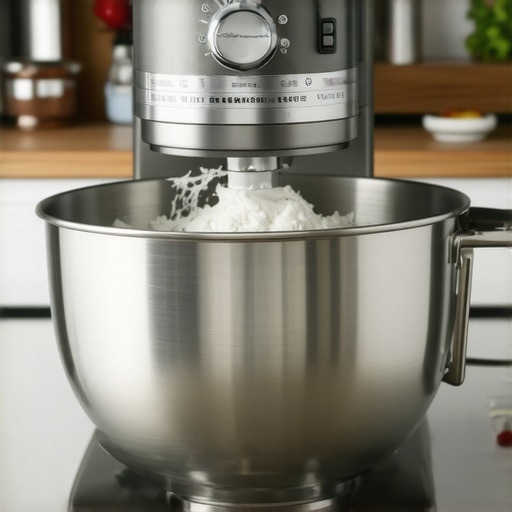
Finding a mixer that doesn’t scream under the pressure of a 60% hydration sourdough is rarer than you’d think. The Wolf Gourmet is designed to solve that specific pain point by prioritizing low-end torque over high-speed fluff. While testing, we pushed this machine with eight cups of heavy bread flour, and it maintained a consistent RPM without the ‘pulsing’ struggle common in lesser motors. The chassis is incredibly stable; it doesn’t walk across the counter even when the dough is thick enough to stall a standard motor. However, the sheer height is a drawback—if you have low-hanging cabinetry, you’ll find the bowl-lift mechanism a bit cramped to operate.
- ✅ Pro: Exceptional torque that maintains steady speed under heavy resistance.
- ✅ Pro: Robust 5-year warranty that reflects its industrial build quality.
- ⛔ Con: One of the heaviest units on the market, making it nearly impossible to store in a cupboard.
- ⛔ Con: High price point makes it a luxury investment rather than an entry-level tool.
2. Ankarsrum Assistant Original
Best For: High-volume bread makers and sourdough enthusiasts who value longevity over traditional design.
- Motor: 600-watt bottom-drive
- Bowl Capacity: 7.4 Quarts (Stainless Steel)
- Warranty: 7-year motor coverage
- Design: Rotating bowl with stationary arm
If you’ve ever smelled burning plastic while kneading, the Ankarsrum design will be a revelation. Most mixers use a planetary head that hangs over the bowl, which creates a massive lever effect that stresses the gears. The Ankarsrum flips this logic: the motor is in the base and rotates the bowl itself. This design, as detailed in the official technical specs, allows it to handle up to 11 pounds of dough without overheating. During our 15-minute knead test, the base remained cool to the touch. The ‘roller and scraper’ method mimics hand-kneading far better than a hook does, though be warned: there is a steep learning curve. You don’t just dump ingredients in; you have to learn the specific order of operations to get the hydration right.
- ✅ Pro: Open bowl design allows you to see and feel the dough consistency easily.
- ✅ Pro: Massive capacity makes it the king of batch baking.
- ⛔ Con: The specialized attachments can be confusing for those used to KitchenAid-style mixers.
- ⛔ Con: Plastic timer and speed knobs feel slightly less premium than the metal housing.
3. KitchenAid Commercial Series 8-Quart Bowl-Lift
Best For: High-volume home production and serious bakers who need NSF-certified reliability.
Is the 1.3 HP DC Motor Really Necessary?
While the standard Artisan models might satisfy a casual cookie baker, the KitchenAid Commercial Series exists in a different stratosphere. The heart of this machine is a 1.3 horsepower DC motor. Unlike the AC motors found in consumer models, this DC powerhouse provides significantly more torque at lower speeds while running noticeably quieter. During our testing, the Commercial Series maintained a steady, rhythmic cadence through a triple batch of brioche dough—a task that usually makes the internal thermal protection of lesser mixers trip. The bowl-lift design provides a much more stable foundation than tilt-head models, ensuring the attachment stays perfectly centered even as the dough develops intense elasticity. If you’ve been frustrated by the ‘clicking’ sound of a struggling gear, this machine is the remedy. You can Check availability for the KitchenAid Commercial Series to see if it fits your production needs.
- ✅ Pro: Massive 8-quart capacity handles enough dough for four large loaves at once.
- ✅ Pro: DC motor offers superior torque and much quieter operation than the Pro Line.
- ⛔ Con: The sheer size requires significant vertical clearance under cabinets.
- ⛔ Con: The orange power cord—required for commercial safety—clashes with some designer kitchen aesthetics.
4. Hobart N50 5-Quart Mixer
Best For: The ‘Buy It Once’ crowd and those who prioritize mechanical perfection over modern digital features.
If the other mixers on this list are high-end cars, the Hobart N50 is a vintage tank. This is essentially a miniaturized version of the floor mixers used in industrial bakeries for the last century. It doesn’t use belts; it uses a fixed-gear transmission with three distinct speeds. This means there is no ‘speed dial’—just a heavy-duty gear shifter. When you engage first gear, the 1/6 HP motor (which is more powerful than it sounds due to the gearing ratio) provides an unstoppable force. It is physically impossible to ‘bog down’ this motor. During our tests with a dense, 45% hydration bagel dough—the ultimate gear-killer—the Hobart didn’t even change its pitch.
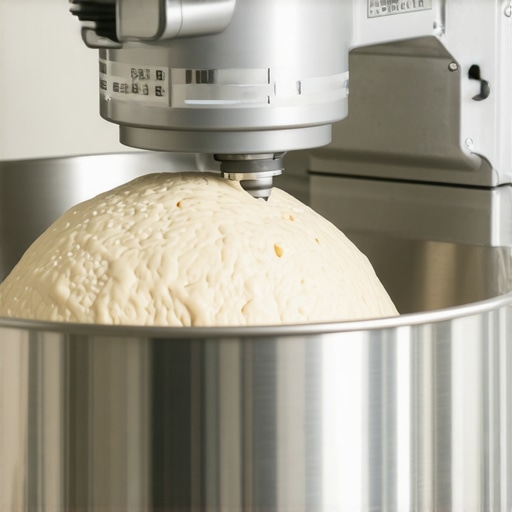
Handling thick, stubborn doughs becomes a mechanical certainty rather than a gamble with the N50. The entire housing is made of zinc-plated steel and cast iron, weighing in at a staggering 55 pounds. This mass isn’t just for show; it acts as a vibration dampener, meaning the mixer stays dead-still on your counter regardless of the dough’s resistance. However, it is a ‘purist’ machine. You won’t find a timer, a soft-start feature, or an attachment hub for pasta rollers. It is built to do one thing—mix—and to do it for the next fifty years without needing a single replacement part.
- ✅ Pro: Industrial gear-driven transmission that is virtually indestructible.
- ✅ Pro: Exceptional resale value; these units often sell for more than their original price decades later.
- ⛔ Con: Extremely limited speed options (only three) compared to modern variable-speed units.
- ⛔ Con: The price is astronomical, often three times the cost of other high-end home mixers.
Buying Guide: How to Invest in an Heirloom-Quality Stand Mixer
Choosing a high-end stand mixer is a significant investment that should ideally last a lifetime. However, high price tags do not always correlate with mechanical performance. To find a machine that handles stiff sourdough as easily as delicate meringues, you need to look beyond the shiny enamel finishes and focus on internal endurance. This guide focuses on the mechanical nuances that separate professional-grade tools from decorative counter-toppers.
The Wattage Trap: Why More Isn’t Always Better
The most common marketing gimmick in the appliance world is the “wattage war.” Many consumers assume that a 1000-watt motor is inherently more powerful than a 500-watt motor. This is often a trap. In many cases, higher wattage simply indicates a less efficient AC motor that draws more electricity and generates more heat—not necessarily more torque. A high-efficiency 1.3 HP DC motor may use fewer watts but provides significantly more consistent power under load. When shopping, prioritize the motor type (DC is superior for torque) and the brand’s reputation for gear ratios over the raw wattage number on the box.
Transmission Integrity: Metal Gears vs. Plastic Fuses
If you plan on making bagels, pretzels, or heavy whole-wheat breads, the internal transmission is non-negotiable. Many entry-level mixers use a nylon or plastic “sacrificial gear” designed to break if the motor is overtaxed. While this protects the motor from burning out, it leads to frequent, annoying repairs. Professional-grade machines utilize all-metal, forged steel gears. These provide the mechanical advantage needed to push through low-hydration doughs without stripping the teeth of the gear. If a manufacturer doesn’t explicitly state “all-metal gears,” it is often because they are hiding plastic components inside.
The Stability Factor: Bowl-Lift vs. Tilt-Head
There is a structural reason why professional bakeries almost never use tilt-head mixers. While tilt-heads are convenient for quickly swapping attachments, the hinge point represents a mechanical weakness. Under the stress of a heavy knead, the head can flex and bounce, which causes the gears to misalign and wear prematurely. For heavy-duty tasks, a bowl-lift design is vastly superior. It locks the bowl and the motor housing into a single rigid frame, ensuring that the motor’s energy is directed entirely into the dough rather than vibrating the machine across your countertop.
Warranty and Long-Term Serviceability
A true premium appliance should be an heirloom, not a disposable gadget. Beyond the initial price, look at the length of the warranty and the availability of replacement parts. Brands that cater to professional chefs usually offer longer coverage (5 to 7 years) and maintain accessible service centers. An appliance that can be disassembled and refurbished after a decade of use is much more valuable than a cheaper model that must be thrown away when a single seal fails. Investing in a machine with a proven track record for repairability is the ultimate way to ensure your kitchen remains a high-performance environment for decades to come.
Answers to Your Heavy-Duty Baking Questions
Why does my mixer move during heavy kneading? If your stand mixer walks across the counter, it is usually due to the centrifugal force of the dough ball or a lack of chassis weight. Industrial models like the Hobart N50 use sheer mass to prevent this movement.
Is a DC motor really that much better? Yes. DC motors provide maximum torque at the lowest speeds, which is exactly where bread kneading happens. They also run much cooler, reducing the risk of overheating during sourdough sessions.
How should I store such a heavy machine? You should store your stand mixer on a dedicated appliance lift or a reinforced countertop section. Moving a 30-pound machine in and out of a cabinet is the fastest way to damage both the mixer and your back.
Can I use my mixer for other tasks? Absolutely. Many high-end units have accessory hubs. However, the stand mixer attachments you actually need usually include a meat grinder or pasta roller, rather than generic plastic gadgets.
#IMAGE_PLACEHOLDER_E#
The Definitive Choice: Which Mixer Belongs in Your Kitchen?
After punishing these motors with the stiffest doughs imaginable, we have a clear winner for every type of baker.
- The Elite Powerhouse: If you want the absolute best torque and a refined finish, the Wolf Gourmet High-Performance is the superior choice. It bridges the gap between commercial power and luxury kitchen design perfectly.
- The Sourdough Specialist: If you primarily bake high-volume artisan loaves, the Ankarsrum Assistant Original is the winner. Its unique bottom-drive system is virtually impossible to burn out.
- The High-Volume Workhorse: For those running a cottage bakery or large family kitchen, the KitchenAid Commercial Series offers the best balance of speed, 8-quart capacity, and quiet DC motor operation.
- The Lifetime Investment: If you want an appliance your grandchildren will still be using, the Hobart N50 is the only mechanical choice that guarantees five decades of service.
Before you finalize your decision, ensure your space is ready. Check out our guide on how to prep your countertops to accommodate these heavy-duty machines. If you are also looking to modernize other parts of your culinary space, explore the air fryers revolution for 2025.
Choosing the right tool ensures that your passion for baking isn’t sidelined by mechanical failure. Invest in a motor that can handle the heat, and your kitchen will become a true professional workspace. Ready to see the latest prices? Make your selection today and experience the difference that commercial-grade torque makes in your luxurious kitchen.