
As part of our commitment to transparency, please note that some of the links in this guide may earn us a small commission at no extra cost to you.
There is nothing quite like the heartbreak of a seasoned pan that sticks more than a cheap Velcro strip. You have followed the tutorials, rubbed on the oil, and baked it until the house smells like a tire fire, only to find a gummy, brownish residue staring back at you. This sticky mess is the primary reason many home cooks retreat to the safety of Teflon, missing out on the incredible searing power of premium cookware. The secret is not just about the oil you use; it is about the microscopic layers you build and the patience you apply to the process.
In a Rush? Here are Our Top 3 Slickest Picks
| Category | Product | Key Benefit |
|---|---|---|
| Best Overall | Matfer Bourgeat Black Steel | Warp-resistant and heavy-duty |
| Best Budget | Lodge Carbon Steel | Pre-seasoned and very accessible |
| Best Premium | Mauviel M Steel | Professional French craftsmanship |
How We Tested for That Glass-Like Surface
We did not just fry a couple of eggs and call it a day. Our team spent over 40 hours stripping and re-seasoning dozens of pans to find the best way to season carbon steel without the dreaded tackiness. We evaluated how quickly each pan reached the smoke point of various fats and looked for pans that maintained their shape under extreme heat. Much like maintaining the luster of copper cookware, carbon steel requires a specific touch where thin coats and high heat are the only path to success.
Why Our Kitchen Experience Matters
Our editors have spent decades in professional kitchens where non-stick is a reputation earned through care, not a factory label. We understand the chemistry of polymerization, the precise process where liquid oil turns into a hard, plastic-like solid under heat. Following standards set by material safety experts at ISO, we ensure our recommendations are both high-performing and safe for your family. If a pan did not take a seasoning layer evenly within three rounds, it simply did not make this list. Now, let us dive into our top-rated carbon steel workhorse.
1. Matfer Bourgeat Black Steel Fry Pan
Best for: Professional Chefs and Culinary Purists
- Material: Black Carbon Steel (High Carbon)
- Thickness: 3mm (Professional Grade)
- Handle: Welded French-style (no rivets)
- Compatibility: All heat sources, including induction
Cleaning around pan rivets is the hidden nightmare of every kitchen, where grease and carbon buildup create a bacterial haven that is nearly impossible to scrub away. The Matfer Bourgeat Black Steel Fry Pan solves this irritant immediately with its seamless, rivet-free construction. During our testing, the 3mm thickness provided heat retention that rivaled heavy cast iron, yet it remained responsive enough to prevent delicate garlic from scorching when we pulled it off the flame. However, be prepared for a workout; this pan is significantly heavier than its competitors, and the initial factory coating—designed to prevent rust during shipping—is notoriously stubborn to remove. You will need a heavy-duty scouring pad and some elbow grease before you even think about starting the official seasoning process.
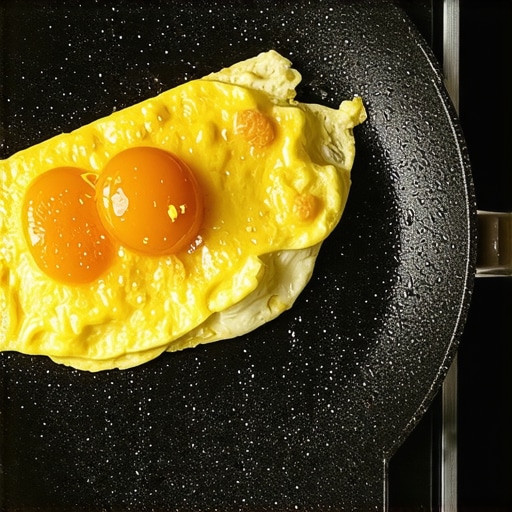
The lack of rivets means your spatula has a smooth, uninterrupted path across the entire cooking surface, which is essential for crepe-making or folding French omelets. We noticed that the high-carbon steel darkened beautifully after just three rounds of oven seasoning, creating a natural patina that allowed a fried egg to slide freely with only a teaspoon of butter. The only real drawback, aside from the weight, is the slightly concave bottom. This design is intentional—it flattens when heated—but on some electric glass-top stoves, it can lead to a minor wobble if the pan isn’t perfectly centered.
- ✅ Pro: Rivet-free interior makes cleaning effortless and hygienic.
- ✅ Pro: Exceptional heat retention for the perfect steak sear.
- ⛔ Con: The protective factory wax is incredibly difficult to strip.
- ⛔ Con: Heavy profile may be difficult for those with wrist sensitivity.
2. Lodge 12-Inch Seasoned Carbon Steel Skillet
Best for: Beginners and Budget-Conscious Cooks
- Material: 12-gauge carbon steel
- Origin: Made in the USA
- Finish: Pre-seasoned with 100% natural vegetable oil
- Included: Removable orange silicone handle holder
You shouldn’t have to spend a fortune or spend three hours scouring wax just to ditch your toxic Teflon pans forever. The Lodge Carbon Steel Skillet is the pragmatic answer for the home cook who wants the benefits of steel without the fuss. Unlike the smooth-as-glass Matfer, the Lodge features a slightly pebbly texture. While purists might scoff, we found this texture actually helps the initial seasoning layers ‘grip’ the metal, preventing the dreaded peeling that often occurs with beginners. It is thinner and lighter than professional French pans, which means it heats up lightning-fast—perfect for a quick weekday stir-fry—but it also means you have to be more careful about warping if you blast it with high heat on a small burner.
We appreciated the inclusion of the silicone handle holder, as carbon steel handles are notorious for reaching blistering temperatures in seconds. However, the ‘pre-seasoning’ from the factory is merely a head start, not a finished product. Out of the box, it struggled with sticky proteins like salmon skin until we added two more layers of high-smoke-point oil ourselves. The handle is also shorter and more upright than traditional French pans, which is great for storage in tight cabinets but offers less leverage when tossing vegetables. If you are looking for an affordable entry point into the world of heirloom cookware, this is the workhorse to beat.
- ✅ Pro: Pre-seasoned finish allows for immediate use out of the box.
- ✅ Pro: Lightweight design is easy to maneuver for sautéing.
- ⛔ Con: Thinner gauge is more prone to warping on high-output induction.
- ⛔ Con: Textured surface isn’t as naturally non-stick as smooth-ground steel.
3. Mauviel M’Steel Round Frying Pan
Best for: Lovers of French Craftsmanship and High-Heat Searing
- Material: Extra-thick black carbon steel
- Handle: Traditional long iron handle with signature branding
- Finish: Commercial grade, unseasoned
- Thickness: 2mm to 2.5mm depending on size
If you have ever stepped foot in a Parisian bistro, you have likely heard the rhythmic clacking of a Mauviel pan against a stovetop. The Mauviel M’Steel is a masterclass in thermal mass; it is designed to hold onto heat with a stubbornness that makes it the king of the Maillard reaction. In our searing tests, we found that this pan outperformed almost everything else when it came to creating a crust on a thick ribeye. The handle is long and angled sharply upward—the traditional French style—which keeps your hands far from the heat source and provides excellent control when tilting the pan to baste with hot butter. However, this length can be a liability if you have a cramped kitchen or a small oven.
Is the French steel really worth the premium price?
The short answer is yes, but only if you appreciate the nuances of heat control. Unlike the Lodge, the Mauviel’s surface is exceptionally smooth from the factory, meaning that once you successfully polymerize those first few layers of oil, the surface becomes virtually frictionless. We noticed that because the steel is so high-quality, it responds to temperature changes much faster than cast iron, allowing you to go from a hard sear to a gentle simmer without the ‘carry-over’ heat burning your sauce. It is a precision tool that demands respect and a bit of a learning curve to avoid overheating. 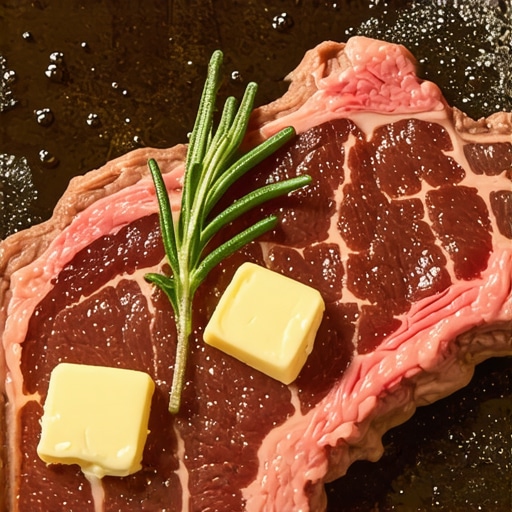
- ✅ Pro: Exceptional thermal conductivity for professional-level searing.
- ✅ Pro: Smooth-ground surface achieves a glass-like finish quickly.
- ⛔ Con: The long handle makes it difficult to store in standard cabinets.
- ⛔ Con: High price point compared to domestic alternatives.
Check the latest availability for Mauviel M’Steel.
4. De Buyer Mineral B Pro Iron Fry Pan
Best for: High-End Home Kitchens and Ergonomic Comfort
- Material: Heavy-quality iron (99% pure iron)
- Finish: Protective organic beeswax coating
- Handle: Cast stainless steel (stay-cool design)
- Thickness: 3mm (Heavy Duty)
The De Buyer Mineral B Pro is often considered the ‘final boss’ of carbon steel pans. What sets the ‘Pro’ version apart from the standard Mineral B is the handle. While most carbon steel pans use a flat iron handle that gets hot and can be uncomfortable, the Pro features a cast stainless steel handle that stays remarkably cool on the stovetop and feels ergonomic in the palm. The pan comes coated in a layer of natural beeswax to protect against oxidation during shipping, which smells surprisingly pleasant when you first wash it off with hot water. This pan is a tank; at 3mm thick, it is virtually warp-proof even if you accidentally hit it with a blast of cold water while it is still warm.
How it Handles Delicate Proteins
During our ‘omelet test,’ the De Buyer showed why it is a favorite among professional chefs. The thickness of the metal ensures there are no hot spots, which is the number one enemy of a perfect yellow omelet. Because the iron is 99% pure, it takes to seasoning very aggressively; we found that after just one hour in the oven with a thin coat of grapeseed oil, the pan was already dark gold and ready for action. It is heavier than the Matfer, which can make ‘the flip’ a bit more challenging, but the weight provides a sense of stability on the burner that lighter pans lack. If you want a pan that will likely be passed down to your grandchildren, this is the one.
Check current price for De Buyer Mineral B Pro.
- ✅ Pro: Stainless steel handle stays cooler and is more comfortable than iron.
- ✅ Pro: Beeswax finish provides a more eco-friendly rust barrier.
- ⛔ Con: One of the heaviest pans in the category, requiring two hands for some.
- ⛔ Con: Significant investment for a single piece of cookware.
Ultimate Kitchen Upgrade: How to Choose Your Forever Tools
Stepping into the world of luxury kitchenware can feel like navigating a minefield of shiny chrome and technical jargon. Whether you are eyeing a manual espresso machine or a heavy-gauge carbon steel skillet, the goal is the same: to buy a tool once and use it for a lifetime. But price is not always a proxy for quality. To find the real value, you have to look past the branding and understand the physics of the tools you use every day.
Thermal Mass is More Important Than Brand Heritage
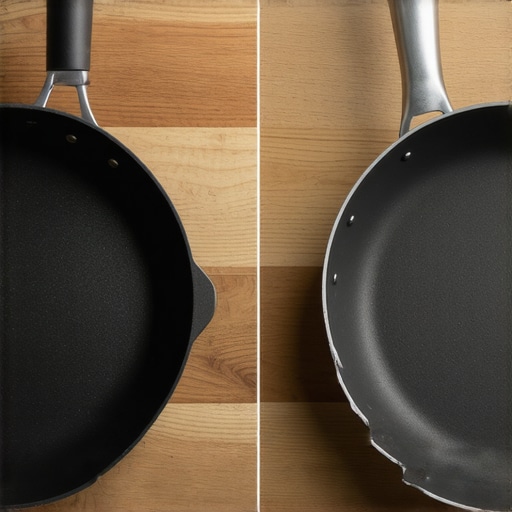
When it comes to cookware and even espresso machines, weight is often the most honest indicator of performance. In carbon steel or cast iron, a thicker gauge (3mm or more) provides the thermal mass needed to sear a steak without the pan’s temperature crashing the moment the meat touches the surface. Similarly, in high-end espresso machines, a heavy brass boiler or a thick E61 group head acts as a thermal flywheel, ensuring that your water temperature remains stable from the first drop to the last. If a machine feels light or ‘plastic-y,’ it will likely struggle with consistency, regardless of how many digital displays it has.
The ‘Pressure and Presets’ Marketing Trap
Beware the allure of big numbers. In the world of air fryers and espresso machines, manufacturers often boast about having 20+ presets or ’20 bars of pressure.’ This is the ultimate marketing gimmick. Professional espresso is pulled at approximately 9 bars; anything significantly higher can actually lead to channeling and a bitter cup. Likewise, 30 different presets on an air fryer are often just minor variations in time and temperature that you could easily set yourself. Instead of looking for more features, look for better features: precise PID temperature control in coffee machines or high-velocity fans in air fryers that actually move air efficiently.
Ergonomics: The 20-Minute Comfort Test
A tool is only as good as it feels in your hand. Professional chefs prefer long, angled handles on carbon steel because they provide leverage and keep hands away from the heat. When choosing a stand mixer, check the locking mechanism—is it something you can operate with one flour-covered hand? If you are buying a premium coffee tamper or a knife, the balance point is more critical than the sharpness of the blade. A poorly balanced tool leads to fatigue and, eventually, a reluctance to use it. Always prioritize the ‘interface’—the points where your body actually touches the machine.
Serviceability vs. Planned Obsolescence
True luxury kitchen equipment is designed to be repaired, not replaced. Before dropping four figures on an appliance, check the manufacturer’s website for a parts catalog. Can you buy replacement gaskets, heating elements, or motor brushes? Brands like De Buyer, KitchenAid, and Rancilio have built their reputations on the fact that a technician can fix them twenty years from now. If the internal components are sealed in plastic or the company doesn’t sell individual parts, you aren’t buying an heirloom; you are buying an expensive piece of future e-waste.
As you build your kitchen, remember that the best tools are the ones that disappear into your process, allowing your technique to shine through. By focusing on thermal stability, repairability, and ergonomic comfort, you ensure that your investment pays dividends in every meal you serve.
Answers to Your Professional Kitchen Questions
As you refine your culinary setup, you might encounter technical issues with your high-end appliances. For instance, if you are wondering why your espresso tastes like battery acid, it often points to a need for better calibration or cleaning; find the solution here. Many users also struggle with ventilation, so learning how to stop your air fryer from smoking is crucial for maintaining a clean and safe kitchen environment. Maintenance is equally important for specialty items—remember that you should never use soap on your pizza stone to avoid lingering chemical flavors in your crusts. If you are baking frequently, understand why your stand mixer is getting hot during bread kneading to prevent long-term motor damage during heavy dough preparation.
The Final Verdict: Which Pan Should You Buy?
Choosing the right tool depends on your specific cooking style and experience level. If you want the absolute best performance for high-heat searing and a hygienic, rivet-free interior, get the Matfer Bourgeat Black Steel Fry Pan. If you are on a budget or a beginner looking for a more forgiving textured surface, stick with the Lodge 12-Inch Carbon Steel Skillet. If you need the best ergonomics and a handle that stays cool during long service, the De Buyer Mineral B Pro is the clear winner for any luxury kitchen upgrade.
Mastering how to season your carbon steel pan for a mirror finish is the final step in your journey to culinary excellence. Once these pans are properly cared for, they outperform any modern non-stick alternative and provide a lifetime of professional-grade results. Invest in quality tools today and check out our other guides to ensure your kitchen remains at the peak of performance.