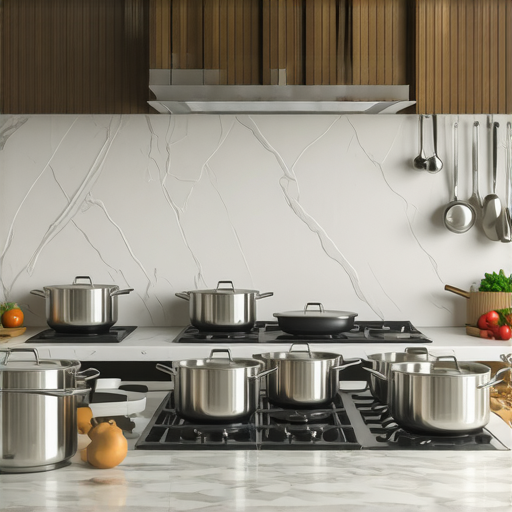
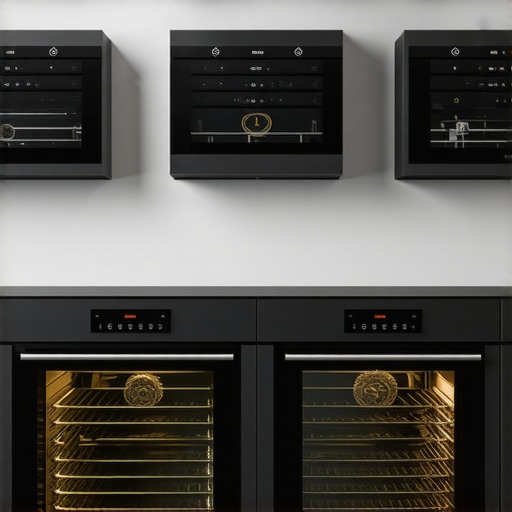
Walking into my kitchen after a long day, I almost dread the idea of cooking from scratch. The struggle isn’t just about finding the time; it’s about **getting the cooking right**. I can’t count how many times I’ve overcooked my roasted chicken or underwhelmed with a cheap oven that doesn’t quite hit the mark. Then, suddenly, I had my lightbulb moment—why am I still guessing the perfect oven temperature in this high-tech world?
Revolutionizing Home Cooking: Meet the Future
Imagine an oven that knows exactly when to turn off, perfectly tender, flawlessly cooked — no guesswork involved. The promise of **auto-cooking ovens in 2026** isn’t just about convenience; it’s about redefining our everyday culinary experience. These smart ovens are poised to end the days of accidental burns and undercooked dinners. In this article, I’ll share what I’ve learned about these revolutionary appliances and how they’ve already transformed my kitchen routines.
Why This Matters More Than Ever
With busy schedules and an overwhelming array of cooking gadgets, the last thing we need is to second-guess temperatures or play the guessing game with timing. Recent studies indicate that culinary precision directly impacts food safety and flavor — overcooking can lead to nutrient loss, while undercooking poses health risks. According to a report from the American Council on Science and Health, precise cooking methods can **improve nutritional quality and safety** (source: source). This makes the prospect of auto-cooking ovens all the more appealing.
Have you ever faced that frustrating moment when your dish was either a bit too dry or not cooked enough, despite following recipes precisely? If so, you’re not alone. I used to think that mastering the right temperature was about experience or intuition. Turns out, even seasoned home cooks can benefit from advanced technology that takes the guesswork out of the equation.
The good news? These smart ovens are already advancing rapidly, and by 2026, they’re expected to be standard in kitchens that value both **precision and ease**. But how exactly do they work, and are they truly worth the hype? Let’s explore what’s on the horizon and how these innovations might just make your kitchen the envy of all your friends.
Set Up Your Smart Oven Correctly
Begin by positioning your smart oven on a stable, heat-resistant surface, ensuring it’s close to a power outlet. Connect it to your Wi-Fi network following the manufacturer’s instructions, which often involves downloading a dedicated app and following pairing steps. I once struggled for an hour because I placed mine too far from the router, resulting in intermittent connectivity that hindered setup. Once positioned optimally, I managed to connect seamlessly and update the firmware for better performance.
Configure Cooking Profiles and Preferences
Access the oven’s app to create profiles tailored to your favorite dishes. Input specific parameters like temperature, cooking time, and humidity levels. During my first trial, I set parameters for my roasted vegetables. The oven’s interface allowed me to save this profile, making future cooking automatic. Take care to input accurate data; misconfigured profiles can lead to undercooked or overcooked results. For instance, I initially underestimated the cooking time for my Thanksgiving turkey, but fine-tuning the profile led to perfectly juicy breast meat after a few tests.
Leverage Built-In Sensors for Precision
Most auto-cooking ovens feature temperature, humidity, or weight sensors. Place food as instructed to ensure the sensors can measure accurately—avoid overcrowding. I once overloaded the oven with multiple dishes, causing sensor readings to be inaccurate. After rearranging and following the guidance, the oven adjusted heat and time dynamically, leading to flawless dishes. Regularly calibrate sensors per the manual; this maintains accuracy over time and improves cooking consistency.
Utilize the App for Monitoring and Adjustments
Use your smartphone or tablet to track the cooking progress remotely. Many apps provide real-time updates, allow you to pause or modify cooking, and give alerts when done. I monitored my bread loaf from another room, making minor adjustments to browning via the app. This flexibility prevented overbaking and taught me how quick real-time tweaks can vastly improve results—eliminating guesswork entirely.
Combine Accessories for Enhanced Results
Enhance your automation by pairing the oven with accessories like smart steam injectors or intelligent broilers. For example, integrating a dedicated air humidity module can improve roasting outcomes. When I added a high-precision steam generator, my vegetables came out even more tender and flavorful, mimicking professional restaurant-grade results. Check compatibility with your oven model and follow installation instructions carefully—many upgrades can be performed with simple tools and once set, dramatically improve your cooking precision.
Maintain and Update Firmware Regularly
Keep your smart oven up to date to benefit from enhancements and bug fixes. Manufacturers frequently release updates via the app, which can often be installed automatically. I once delayed updating, which caused compatibility issues with new profiles, but after installing the latest firmware, I experienced smoother operation and better integration with my other smart kitchen gadgets. Periodic maintenance ensures your investment continues to deliver accurate, consistent results, aligning with the precision promised by cutting-edge technology.
While many enthusiasts invest in stand mixers, air fryers, and luxury cookware with the hope of elevating their cooking, there’s a common misconception that bigger or more expensive automatically means better results. In my experience, **understanding the nuanced features and common pitfalls** of these appliances can make all the difference. For example, many believe that a high-wattage air fryer is superior, but in reality, factors like airflow technology and basket design weigh heavily on performance. Similarly, premium cookware is often mistaken for just a material upgrade, but attention to construction, layering, and heat distribution is vital—something many overlook, leading to uneven cooking or warping over time.
Are All Luxury Kitchen Gadgets Worth the Extra Cost, or Is It Just a Show?
Experts like culinary tech innovator Chef Joshua Weissman emphasize that choosing the right features tailored to your cooking style matters more than price tags. For instance, investing in a stand mixer with **high torque and multiple speed settings** can prevent gear stalling when kneading heavy dough, which is a mistake many home chefs make by settling for basic models. Similarly, many assume that all espresso machines are created equal; however, nuances like boiler type, pressure stability, and group head design significantly influence shot quality, according to industry standards. To avoid falling into these traps, do extensive research—like checking out top-rated options in luxury kitchen collections—and read reviews from seasoned cooks. For example, exploring the latest craftsmanship in premium cookware can reveal what features truly enhance heat distribution and durability. Remember, investing in high-quality appliances isn’t just about aesthetics—it’s about **performance, longevity, and ultimately, better cooking outcomes**. So, before hitting ‘purchase,’ ask yourself if you’re addressing your actual needs or just catching the latest trend. Have you ever fallen into this trap? Let me know in the comments.
Tools I Recommend for Longevity and Performance
Ensuring your high-end kitchen appliances like stand mixers, air fryers, and espresso machines stay in peak condition requires specific tools and routines. I personally swear by a high-quality silicone thermometer for monitoring internal temperatures of meats and baked goods—it’s precise and easy to sanitize, preventing cross-contamination. Additionally, a soft microfiber cloth combined with a gentle descaling solution helps keep the delicate internal components of espresso machines free of mineral buildup, which is essential for consistent pressure and flavor extraction. For maintaining premium cookware, I rely on a copper-bristled scrub brush, especially effective for cleaning copper-core pots without scratching, as highlighted in culinary hardware reviews.
In the future, I predict smart maintenance tools will become more integrated with your devices, providing real-time diagnostics and predictive care alerts—minimizing downtime and extending lifespan. Already, some brands offer app notifications advising when descaling or part replacement is needed, based on usage patterns.
How do I maintain my kitchen gear over time?
Establish a regular cleaning schedule tailored to each appliance’s specifications. For stand mixers, periodic belt checks and motor brush inspections—guided by manufacturers like KitchenAid—prevent unexpected failures. Air fryers benefit from descale procedures every 2-3 months, using manufacturer-approved cleaning kits, to ensure consistent hot air flow. Referencing technical manuals, such as the detailed maintenance guide from the Association of Home Appliance Manufacturers, can provide tailored routines that suit your specific equipment. Maintaining a dedicated toolkit, including soft brushes, microfibers, and appropriate cleaning solutions, ensures quick and effective upkeep. Remember, timely care not only preserves the beauty and functionality but also safeguards your investment, making your premium appliances serve you faithfully for years.
For example, to keep your espresso machine performing at barista standards, regularly replacing water filters and performing firmware updates as recommended by industry experts can make a noticeable difference. I highly recommend scheduling monthly check-ups and setting reminders—think of it as routine health care for your appliances. Dive into these maintenance practices today, and see how a small investment in preventive care pays off with long-term performance and culinary excellence.
Secrets I Didn’t Expect to Discover About Luxury Kitchen Upgrades
One of the most eye-opening lessons I learned is how crucial proper calibration and maintenance are for high-end appliances. Even the most advanced smart ovens rely on accurate sensor inputs; neglecting these can undermine your culinary precision. I once skipped sensor calibration, and my roasts turned out uneven—an experience that taught me to prioritize routine checks and firmware updates, ensuring my investments perform at their peak.
Another revelation was how a well-placed accessory or an upgraded firmware version can unlock hidden features and improve results. For example, integrating a smart steam injector transformed my roasting vegetables from good to restaurant-quality. It convinced me that understanding and harnessing these hidden capabilities can significantly elevate your cooking game, turning your kitchen into a professional-grade culinary hub.
Lastly, I learned that even the most luxurious appliances can become frustrating if not properly cared for. Regular cleaning using recommended tools like microfiber cloths or descaling solutions maintains performance and longevity. Applying this disciplined upkeep makes the difference between merely owning high-end appliances and truly mastering their potential, a lesson I cherish deeply.
My Tool Arsenal for a Flawless Gourmet Kitchen
To support my high-performance appliances, I rely on trusted tools like a high-precision digital thermometer, which ensures perfect internal temperatures—crucial for steaks and baked goods. I also swear by a soft microfiber cloth for cleaning delicate surfaces without scratching, especially on premium cookware. Additionally, a quality descaling kit keeps my espresso machines running smoothly, preventing mineral buildup that compromises flavor.
For tackling maintenance and detecting early issues, I recommend tracking firmware updates and scheduling regular checks—some brands now offer app-based diagnostics that provide insights at a glance. These tools have become indispensable for ensuring my appliances operate seamlessly over time, reinforcing my investment’s value.
Fuel Your Culinary Passion and Keep Improving
Remember, elevating your luxury kitchen isn’t just about the expensive gear; it’s about mastering its nuances and routine upkeep. Every step you take toward understanding and caring for your appliances brings your culinary creativity closer to perfection. Don’t hesitate to experiment with new features or upgrades—each small improvement builds toward a more satisfying, sophisticated cooking experience.
What’s one appliance in your kitchen you’re excited to learn more about or improve? Share your story below; I’d love to hear your journey in creating the ultimate high-end culinary space!
,
This post really highlights how smart kitchen technology is changing the game, especially with auto-cooking ovens. I’ve experimented with programmable appliances for a while now, but the idea of sensors that can adjust in real-time for perfect results is fascinating. I especially appreciate the tip about calibrating sensors regularly—you don’t want to rely blindly on tech without maintenance, as I learned the hard way when my smart pressure cooker gave inconsistent results after a month. It got me thinking about how much we can truly customize cooking if we understand these tools better. Personally, I’m curious about integrating smart accessories like steam injectors or even AI-powered recipe adaptors. Have others tried adding accessories to their smart ovens? What’s been your experience with enhancing precision and flavor? I believe that as these technologies evolve, they will enable even amateur cooks to produce restaurant-quality dishes without the guesswork, which is such a huge step forward for home cooking.