
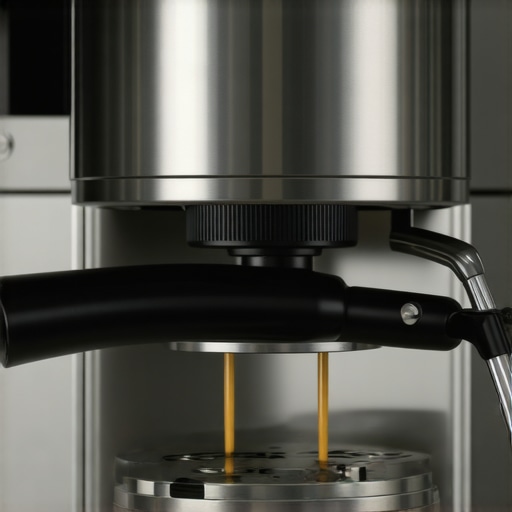
Why your espresso machine’s pump is vibrating
A rattling espresso machine isn’t just a morning nuisance. It’s a diagnostic signal. Most owners assume a loud buzz is part of the prosumer experience, but after two decades of tearing down E61 group head machines, I can tell you that excessive vibration is usually the precursor to an expensive hydraulic failure. The vibration pump—or vibratory pump—operates on a simple solenoid principle where a piston moves back and forth 60 times per second. If that movement isn’t perfectly isolated, the kinetic energy transfers directly to the chassis. This leads to loose fittings, frayed wiring, and eventually, a dead machine. Ignoring the shake is a gamble with your luxury kitchen investment. If you aren’t careful, that vibration can lead to internal leaks. You should know how to fix a leaky group head gasket in 10 minutes to prevent moisture from hitting the electronics during a high-vibration event.
The Engineering Reality of Vibration Pumps
Vibration pumps work by using an electromagnetic coil to pull a steel piston against a spring. It’s a violent mechanical process. In a high-end machine, manufacturers use specialized rubber mounts to absorb this. Over time, heat cycles from the boiler cause these rubber mounts to harden. Once the rubber loses its elasticity, the pump makes direct metal-to-metal contact with the machine frame. The result? A resonance that amplifies throughout your countertop. If you notice your cup moving across the drip tray, your dampening system has failed. You need to learn how to spot the signs of a failing espresso machine pump before the internal copper lines start to fatigue. According to reports from the Specialty Coffee Association (SCA), consistent pressure is the only way to ensure quality extraction. Vibration disrupts that pressure stability.
Hydraulic Cavitation and Air Locks
Sometimes the vibration isn’t mechanical; it’s hydraulic. If your machine hasn’t been used in a week, an air bubble can get trapped in the intake line. The pump tries to compress the air, fails, and the piston slams into the end-cap with extra force. This sounds like a high-pitched, frantic chattering. The smell of a struggling motor is unmistakable—a metallic, ozone-heavy scent that lingers. To fix this, you must prime the pump, often by using a syringe to force water into the intake. If the pump continues to struggle, the pressure at the puck will be inconsistent. This is exactly why your espresso is channeling even after you tamper, as the fluctuating pressure waves create micro-channels in the coffee bed.
The Cost of Resonance
The operational risk here is secondary damage. I’ve seen 4,000-dollar machines with cracked solder joints on the control board because the pump was allowed to vibrate for months. The constant micro-impacts act like a jackhammer on the delicate internals. If you are serious about your coffee, you might look into the truth about pressure profiling in prosumer machines, which often involves upgrading to a rotary pump. Rotary pumps are heavier and quieter, utilizing a motor-driven vane instead of a vibrating piston. They are the gold standard for luxury kitchen builds because they eliminate the chatter entirely.
Market Corrections and Future Tech
The industry is moving toward DC-powered silent pumps. Within the next 18 months, I expect the standard 110V Ulka pump to be phased out of the luxury segment entirely. Regulatory changes regarding energy efficiency and noise pollution in European markets are forcing manufacturers to adopt brushless DC motors. These provide smoother ramp-ups and near-silent operation. For now, if your current machine is shaking, check the mounting brackets. A five-dollar rubber grommet could save you a five-hundred-dollar repair bill later. Ensure you consult the Italian Espresso National Institute standards for pressure consistency if you are performing your own calibration.
The Executive Verdict
If your machine is vibrating, do not wait. Open the casing. Check the rubber mounts. If the pump is more than three years old and the vibration has increased, replace the pump. It’s a sixty-dollar part that protects a multi-thousand-dollar asset. For those building a new kitchen, specify a machine with a rotary pump for plumbed-in applications. The peace and the pressure stability are worth the premium.
Expert FAQ
Q: Can I just put a mat under my machine to stop the vibration?
A: No. A mat masks the noise but does nothing to stop the internal mechanical stress on the copper pipes and electrical connections.
Q: Why is my pump louder when the water tank is full?
A: This is likely due to the weight of the water changing the resonance frequency of the machine’s frame, or the intake tube is vibrating against the tank wall.
Q: Is a vibrating pump a sign of scale buildup?
A: Often, yes. Scale in the pump’s check valve forces the piston to work harder, increasing the noise level significantly.