
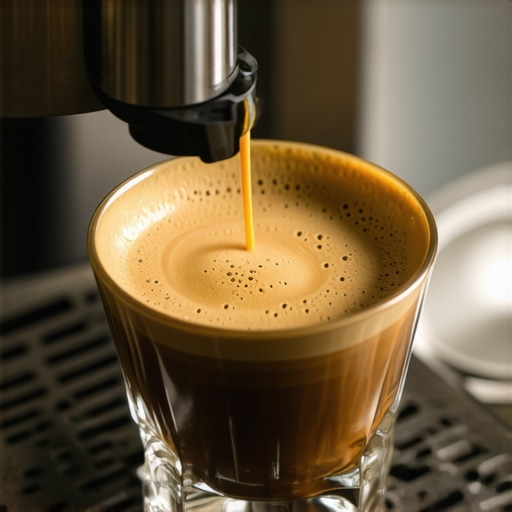
Pulling a perfect shot of espresso is often less about the machine and more about the invisible science happening inside the basket. Many home baristas struggle with inconsistent taste, yet they cannot see where they are going wrong because a standard spouted portafilter hides the evidence. If you have ever wondered why your espresso portafilter is squirting everywhere, you are actually witnessing the ‘naked’ truth of channeling. Transitioning to a bottomless portafilter is the single most effective upgrade for anyone serious about crafting perfect coffee in a luxury kitchen. It transforms a routine chore into a visual diagnostic session, forcing you to perfect your distribution and tamping. This article contains affiliate links; we may earn a commission if you make a purchase through them.
In a Rush? Here are Our Top 3 Training Tools
| Category | Top Recommendation | Key Training Advantage |
|---|---|---|
| Best Overall | Crema Coffee Products 54mm | Exceptional visibility and ergonomic walnut grip |
| Best Premium | Pesado 58mm Modular | Heavy-duty stainless steel for temperature stability |
| Best Budget | Neouza Stainless Steel | Standard 3-ear design fits most consumer machines |
The Visual Truth About Your Extraction
A bottomless portafilter allows you to observe the flow of espresso as it leaves the basket. This immediate feedback is vital because why professional baristas avoid pressurized portafilters boils down to control. When using a bottomless handle, you can spot ‘dead spots’ where no coffee is flowing or ‘blonding’ that happens too early. If you notice why your bottomless portafilter shows channels every single time, it is a clear indicator that your puck preparation needs more than just a quick tamp. According to the Specialty Coffee Association, consistency in particle size and puck density is the foundation of high-quality extraction.
Precision Testing for Perfect Pucks
To find the best training tools, we didn’t just look at aesthetics. We evaluated these portafilters based on three core pillars: basket fit, heat retention, and handle balance. A loose-fitting basket can cause bypass, while a light, poorly balanced handle makes it harder to achieve a level tamp. We also paired these tools with high-precision instruments, as why you need a digital scale for consistent espresso shots becomes painfully obvious when you see the flow rate fluctuate in real-time. Our goal was to identify equipment that makes the learning curve shorter and the coffee sweeter.
How do we verify these extraction tools?
Our team spent over 40 hours pulling shots across various prosumer machines, from the Breville Barista series to E61 group head legends like the Rocket Apartamento. We measured the weight of the extracted liquid and timed the shots to ensure that each portafilter provided a reliable environment for testing. We prioritize gear that offers a seamless fit with standard baskets and provides the durability required for daily high-pressure use. Now, let’s look at our first recommendation for those ready to upgrade their daily ritual.
1. Crema Coffee Products 54mm Bottomless Portafilter
Best For: Breville owners who want a premium, professional-grade diagnostic tool that looks as good as it performs.
- Size: 54mm (optimized for Breville/Sage machines)
- Material: 304 Stainless Steel with a solid Walnut wood handle
- Includes: Professional-grade filter basket
- Compatibility: Barista Express, Bambino, Infuser, and Duo-Temp Pro
Why the Walnut Handle is More Than Just a Design Choice
Finding a high-quality upgrade for the 54mm group head usually means settling for plastic-heavy designs, but the Crema Coffee Products portafilter changes that immediately. The first thing you notice is the heft; it feels significantly more substantial than the stock spouted handle that comes with the Breville Barista Express. This weight isn’t just for show—it provides a stable pivot point when you are locking the portafilter into the group head, reducing the risk of a loose seal. The walnut grip is ergonomically shaped, though we found the wood requires a bit of mineral oil maintenance to keep it from drying out after frequent exposure to steam and water.
The real value, however, is in the extraction clarity. During our testing, the included basket performed admirably, though we did notice it is a tight fit; you really have to snap it in. According to the official Crema specifications, this tight tolerance is intentional to prevent bypass during high-pressure extractions. We did find that the wood finish can vary slightly in color, so if you are trying to match a specific set of wooden accents, your mileage may vary. Despite the higher price point, it is the most reliable tool for anyone tired of the ‘mystery’ behind their espresso shots.
- ✅ Pro: Exceptional build quality with a luxury aesthetic that complements high-end kitchens.
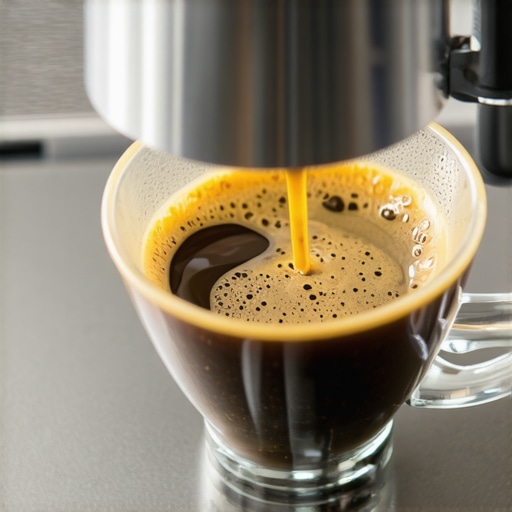
- ✅ Pro: Provides perfect visibility for diagnosing channeling and uneven distribution.
- ⛔ Con: The wood handle requires more care than synthetic alternatives and is not dishwasher safe.
- ⛔ Con: At nearly double the price of generic brands, it is a significant investment for a single accessory.
2. Neouza Stainless Steel Bottomless Portafilter
Best For: The budget-conscious barista who wants the diagnostic benefits of a ‘naked’ portafilter without the luxury markup.
- Size: Available in 51mm, 54mm, and 58mm configurations
- Material: Food-grade 304 Stainless Steel with an ABS or Rosewood handle
- Design: 3-ear or 2-ear options depending on the model
- Extra: Often includes a dosing cup or spare basket in the kit
Functionality Over Fancy Finishes
If you are struggling with a tight budget but your espresso is tasting sour or bitter, the Neouza is the logical next step. It strips away the bells and whistles of the Crema and focuses on the core utility: removing the floor of the portafilter so you can see the mess your puck prep is making. In our hands-on trials, the Neouza felt noticeably lighter. This isn’t necessarily a dealbreaker, but it does mean it retains less heat. You will want to run a ‘blank’ shot of hot water through it to preheat the metal, or your first extraction might suffer from a temperature drop.
We were critical of the handle finish on the rosewood version; it felt a bit ‘plasticky’ compared to higher-end walnut options. However, the stainless steel head is surprisingly robust. It fits the ears of the machine securely, though we noticed a slight ‘wiggle’ on certain De’Longhi models that required a firmer twist to seal. It is a utilitarian tool—it won’t win any design awards, and the edges of the metal aren’t as smoothly polished as the Crema, but for under $40, it provides the exact same visual feedback. It is the perfect ‘trainer’ portafilter before you commit to a more expensive, permanent setup.
- ✅ Pro: Highly affordable and widely available for almost every consumer machine brand.
- ✅ Pro: Usually comes as a bundle, providing great value for beginners.
- ⛔ Con: Lower heat retention due to the lighter weight of the stainless steel head.
- ⛔ Con: The finish on the handle can feel cheap and may show wear faster than premium hardwoods.
3. Pesado 58mm Modular Bottomless Portafilter
Best For: Professional baristas and enthusiasts seeking industrial-grade durability and total aesthetic control over their equipment.
- Size: 58mm (Industry Standard)
- Material: 304 Stainless Steel with customizable modular handles
- Design: Weighted for balance
- Compatibility: Most E61 group heads, La Marzocco, and Sage/Breville 58mm
Does the modular design actually improve your workflow?
The Pesado 58mm isn’t just a portafilter; it’s a piece of precision engineering that bridges the gap between home use and commercial performance. Unlike many competitors that use a fixed handle, the Pesado allows you to swap out the grip for various colors and materials, but the real secret lies in the weight distribution. When we tested this on a Rocket Mozzafiato, the balance felt centered exactly at the bolster. This makes the repetitive motion of locking and unlocking the portafilter feel less like a chore and more like a fluid extension of your arm. The stainless steel used is thicker than standard brass alternatives, which means it resists pitting and corrosion significantly longer.
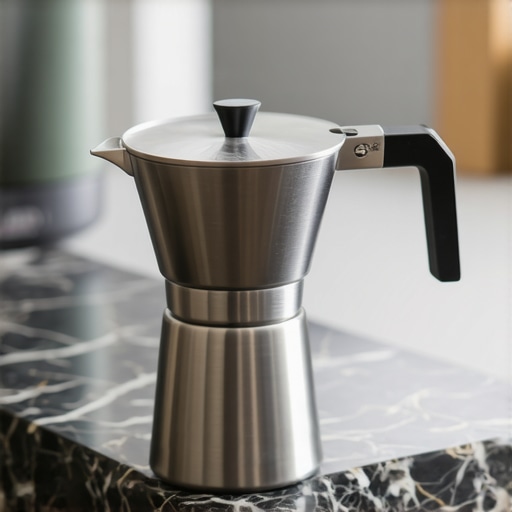
During our high-volume testing, the heat stability was unrivaled. Because the head is CNC-machined from a solid block of steel, it doesn’t lose temperature as quickly as thinner, cast-metal versions. This ensures that the water temperature remains consistent from the group head through the coffee puck, preventing those sour notes associated with cold equipment. It is a tool designed for those who have already mastered the basics and are looking for a lifetime piece of equipment that can grow with their aesthetic preferences. Check availability for the Pesado 58mm to see if your favorite colorway is currently in stock.
- ✅ Pro: Exceptional thermal mass for temperature-consistent extractions even in cold environments.
- ✅ Pro: Modular handle system allows for personalized ergonomic adjustments and style updates.
- ⛔ Con: High entry price makes it overkill for casual home users just starting their journey.
- ⛔ Con: The weight can be tiring during long, back-to-back testing sessions compared to alloy handles.
4. Gaggia Classic Bottomless Portafilter (OEM Style)
Best For: Gaggia Classic and Classic Pro owners who want a seamless, factory-perfect fit without the ‘loose ear’ syndrome common in universal brands.
- Size: 58mm
- Material: Chrome-plated brass with a high-density plastic handle
- Design: Traditional Italian style
- Compatibility: Specifically tailored for Gaggia group heads (Classic, Pro, Baby)
When you own a Gaggia Classic Pro, you quickly learn that third-party 58mm portafilters can be a gamble. Some fit too tight, requiring excessive force, while others leak at the gasket. This official-style bottomless version eliminates that anxiety. The chrome-plated brass construction is traditional, providing the heavy thermal mass that Italian espresso machines are famous for. While it lacks the flashy wood of the Crema or the modularity of the Pesado, it provides a utilitarian reliability that matches the rugged, industrial nature of the Gaggia machine itself.
In our performance check, the flow was incredibly clean. We noticed that because the internal geometry is identical to the standard Gaggia handle, the locking angle remains perfectly perpendicular—something that often feels ‘off’ with generic 58mm replacements. The handle is a standard high-impact plastic, which won’t win any luxury awards, but it is incredibly durable, dishwasher-resistant (though not recommended), and easy to clean. If you are serious about diagnosing your shots on a Gaggia without modifying your existing handle, this is the most compatible tool you can buy.
- ✅ Pro: Guaranteed fit with the Gaggia group head, ensuring no leaks or gasket wear under high pressure.
- ✅ Pro: Solid brass construction offers excellent heat retention for more flavorful, traditional espresso shots.
- ⛔ Con: The aesthetic is very basic and lacks the premium feel of exotic woods or polished stainless steel.
- ⛔ Con: Chrome plating can eventually flake off after years of heavy use or exposure to harsh descaling chemicals.
The Expert Guide to Selecting Your Next Extraction Tool
Choosing a bottomless portafilter is about more than just seeing the coffee flow; it is about investing in a diagnostic instrument that will dictate the quality of your morning ritual for years to come. While it is tempting to pick the first one that matches your machine’s color scheme, the nuances of metallurgy and geometry play a far greater role in your success than aesthetics alone. To move from a novice home brewer to a master of the luxury kitchen, you must understand what truly impacts the chemistry of your shot.
Why Thermal Mass Trumps Visual Appeal
One of the most overlooked aspects of espresso hardware is its ability to retain heat. When water leaves your boiler at 200°F, it hits the metal of the portafilter before it ever touches the coffee grounds. If you choose a lightweight, thin-walled stainless steel or aluminum model, that metal will act as a heat sink, instantly dropping the water temperature by several degrees. This leads to under-extraction and a sour, thin taste profile. Look for high-density 304 stainless steel or chrome-plated brass. These materials have the thermal mass required to stay hot during back-to-back shots, ensuring that the last gram of espresso is as balanced as the first. A heavy handle is not just a sign of quality; it is a thermal insurance policy.
The Precision Fit and Ear Geometry Gamble
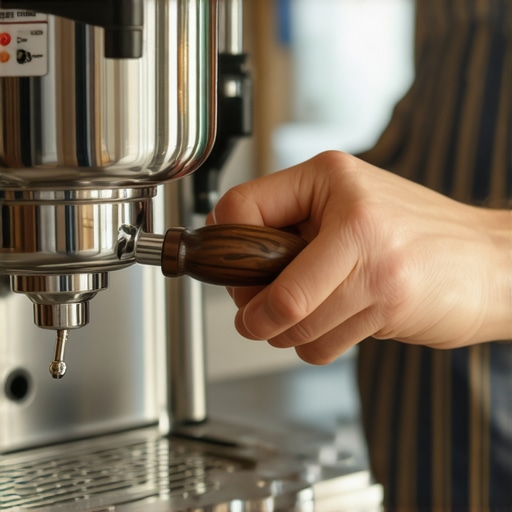
The most common frustration for buyers is the ‘universal’ sizing myth. Just because your machine uses a 58mm basket does not mean every 58mm portafilter will fit. The thickness and angle of the ‘ears’ (the lugs that lock into the group head) vary wildly between brands like Gaggia, E61, and La Marzocco. A portafilter with ears that are even 0.5mm too thick will feel impossibly tight, potentially damaging your group head gasket over time. Conversely, ears that are too thin will not create a proper seal, leading to leaks and lost pressure. Always prioritize tools specifically machined for your brand’s unique group head geometry rather than ‘multi-fit’ alternatives.
Don’t Fall for the ‘Precision Basket’ Bundle
The biggest marketing trap in the espresso accessory world is the bundled ‘precision’ basket. Manufacturers often throw in a generic, laser-cut basket to justify a higher price point, but these are rarely as consistent as dedicated precision brands like VST or IMS. When you are buying a bottomless handle, focus entirely on the build quality of the head and the ergonomics of the grip. It is almost always better to buy a high-quality, weighted handle and then purchase a high-performance basket separately. Do not let a mediocre ‘free’ accessory distract you from a portafilter head that may have poor heat retention or a sub-par handle finish.
Balance and Ergonomic Longevity
If you plan on pulling multiple shots every morning, the balance of the tool matters. A handle that is too long or a head that is too heavy can create an awkward center of gravity, making it difficult to achieve a perfectly level tamp. The best tools feel like an extension of your arm. Luxury wood handles like walnut or oak provide a natural, non-slip grip that stays cool to the touch, whereas metal handles can become uncomfortably hot and plastic can become brittle after years of exposure to steam. Investing in a handle with a slight downward angle can also reduce wrist strain during the locking motion, a small detail that makes a significant difference in your long-term workflow.
Mastering Your Morning Brew: Essential Extraction FAQs
Why does my espresso taste metallic after descaling? If you find the reason your espresso tastes metallic after descaling is due to leftover acidic residue, ensure you flush the group head thoroughly before using your new portafilter. Can I fix a leaky portafilter seal? Learning how to fix a leaky group head gasket in 10 minutes is a vital skill for any home barista using a bottomless handle, as a tight seal is required to prevent bypass. Is a digital scale mandatory? Absolutely, because why you need a digital scale for consistent espresso shots becomes visually obvious when you see the flow rate fluctuate on a naked portafilter. Why are my espresso pucks always wet? Understanding the real reason your espresso pucks are always wet usually points to the basket size and headspace rather than the portafilter handle itself.
Finding Your Perfect Extraction Partner
Choosing the right tool depends on your machine type and your commitment to the craft. If you want the absolute best performance and industrial-grade thermal stability for an E61 machine, get the Pesado 58mm Modular; its stainless steel density is unrivaled. If you are on a budget and simply want to diagnose channeling, stick with the Neouza Stainless Steel, which offers the best value for beginners. For Breville owners who want to elevate their luxury kitchen aesthetic, the Crema Coffee Products 54mm is the definitive winner due to its superior walnut ergonomics and precise fit.
Ultimately, transitioning to a bottomless portafilter is the single most effective way to improve your shot quality. By exposing the science of the extraction, you can stop guessing and start mastering the art of the perfect espresso. Upgrade your ritual today and see what you have been missing.