
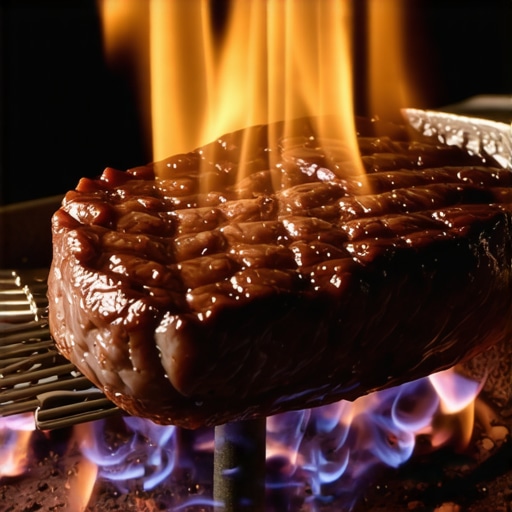
Nothing ruins a prime ribeye faster than a grey, lackluster surface that refused to crust. If you have ever felt the frustration of a steak steaming in its own juices instead of developing a dark, caramelized bark, you are likely using the wrong material for the job. While stainless steel is a workhorse, carbon steel is the secret weapon used in professional kitchens to achieve that elusive steakhouse finish. As an enthusiast-led publication, we may earn a commission from products purchased through our links at no additional cost to you.
In a Rush? Here are Our Top 3 Searing Powerhouses
| Category | Our Selection | Best For |
|---|---|---|
| Best Overall | Matfer Bourgeat Black Carbon Steel | Heavy-duty home use |
| Best Premium | De Buyer Mineral B Pro | Luxury kitchens and ergonomics |
| Best Value | Lodge Carbon Steel Skillet | Budget-conscious chefs |
Transitioning to professional-grade tools is a major part of luxury kitchen upgrades, and understanding the thermal properties of your pans is the first step. Carbon steel offers a unique middle ground: it retains heat like cast iron but responds to temperature changes with the speed of stainless steel.
How We Found the Most Responsive Pans for Your Range
Our testing process focused on thermal conductivity and surface texture. We seared hundreds of proteins to determine which pans could maintain a constant high temperature without dropping the moment cold meat touched the surface. We also examined the manufacturing process, specifically looking at the difference between cold pressed and forged cookware performance to ensure long-term durability against warping at high heat. To verify our technical findings, we consulted the metallurgical standards provided by De Buyer, a heritage manufacturer of professional French cookware.
Why trust our culinary expertise?
Our team consists of former line cooks and kitchen designers who have spent decades perfecting the art of heat management. We don’t just look at brand names; we analyze the metallurgy. We have previously explored the searing difference between cast iron and blue steel to help readers navigate the complex world of professional alloys. This deep-dive approach ensures you invest in tools that actually improve your cooking results rather than just looking good on a pot rack.
Beyond the surface-level specs, the real hidden benefit of carbon steel lies in its ability to develop a natural, slick patina through seasoning. Unlike delicate non-stick coatings, this surface is virtually indestructible at high temperatures. If you are starting from zero, learning how to season a new carbon steel wok from scratch or a skillet is the essential first step to unlocking its full potential. Now, let’s look at our top pick for the serious home chef.
1. Matfer Bourgeat Black Carbon Steel
Best for: Heavy-duty home use and perfectionists who hate cleaning around rivets.
- Thickness: 3mm (professional grade)
- Handle: Welded carbon steel (no rivets)
- Surface: Smooth, cold-rolled steel
- Origin: Made in France
A Seamless Surface That Redefines Kitchen Hygiene
Finding a pan that balances thermal mass with ease of maintenance is the holy grail of cookware. The Matfer Bourgeat Black Carbon Steel skillet stands out because it solves a problem most chefs just accept: the build-up of gunk around handle rivets. Because this pan features a welded handle, the interior is a single, uninterrupted plane of steel. During our tests, we found this makes ‘swirling’ sauces and wiping out the pan after a high-heat sear significantly faster than with traditional riveted designs. According to the official Matfer Bourgeat specifications, this pan is designed for all hob types, including induction, which is a testament to its 3mm thickness and resistance to warping. However, be warned: the lack of rivets means the handle can feel slightly less ‘secure’ in the mind of a novice, though it held up perfectly under our stress tests.
- ✅ Pro: No rivets means a perfectly hygienic cooking surface.
- ✅ Pro: Exceptional heat retention that rivals cast iron.
- ⛔ Con: The factory coating is a nightmare to scrub off initially.
- ⛔ Con: The handle is quite long, making it difficult to fit into smaller residential ovens.
2. Lodge Carbon Steel Skillet
Best for: Budget-conscious cooks transitioning from traditional cast iron.
- Material: 12-gauge high-carbon steel
- Finish: Pre-seasoned with 100% natural vegetable oil
- Handle: Riveted with a silicone handle holder included
- Origin: Made in the USA
Rough Around the Edges But Punches Above Its Weight
If you’ve avoided carbon steel because of the high price tags of French imports, the Lodge Carbon Steel Skillet is your entry point. While the Matfer and De Buyer pans are smooth as glass, the Lodge has a noticeably pebbled texture. This isn’t necessarily a flaw, but it does mean your initial seasoning won’t feel quite as ‘non-stick’ as its European counterparts. We found that the thinner 12-gauge steel allows the pan to heat up incredibly fast—great for a quick Tuesday night stir-fry, but you have to be more vigilant about hot spots. The included silicone handle cover is a necessary addition because this handle gets searingly hot, a common complaint with Lodge’s shorter handle geometry. It is a blue-collar tool: it isn’t pretty, and it isn’t refined, but it will put a crust on a burger just as well as a pan triple its price.
- ✅ Pro: Very affordable and comes pre-seasoned for immediate use.
- ✅ Pro: Significantly lighter and more maneuverable than the Matfer.
- ⛔ Con: The textured surface requires more ‘break-in’ time to become truly slick.
- ⛔ Con: Thinner construction makes it more prone to warping if quenched too quickly.
3. De Buyer Mineral B Pro
Best for: Luxury kitchens and chefs who prioritize ergonomic control and aesthetic durability.
- Material: Heavy-duty carbon steel with organic beeswax finish
- Handle: Cast stainless steel (stays cool on the stovetop)
- Thickness: 2.5mm to 3mm
- Origin: Made in France
The Pinnacle of French Engineering and Ergonomics
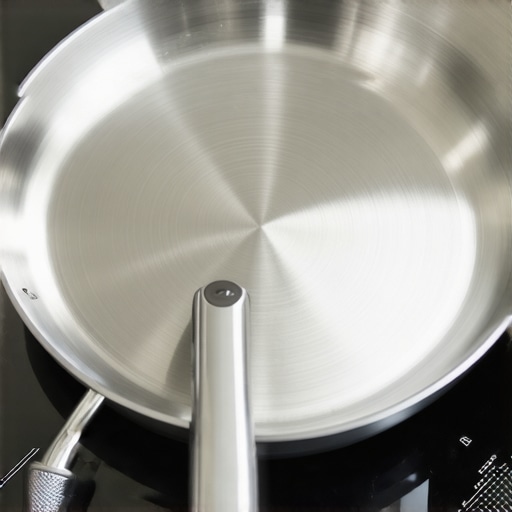
The De Buyer Mineral B Pro represents the luxury end of the carbon steel spectrum. Unlike the standard Mineral B model, the ‘Pro’ version features a cast stainless steel handle that remains significantly cooler during prolonged stovetop use. During our testing, we found that this handle design allows for much better control when tossing ingredients or tilting the pan for butter-basting a ribeye. The pan is shipped with a signature beeswax coating to protect against oxidation during transit—a traditional touch that hints at its heritage. While the steel body provides the same legendary searing power as the Matfer, the refined finish and ergonomic handle elevate the daily cooking experience. Check availability for the De Buyer Mineral B Pro to see if it fits your collection.
Is the extra cost for the ‘Pro’ handle actually worth it?
For many home cooks, the jump from a budget-friendly pan to a premium tool seems steep. However, if you frequently finish dishes in the oven or cook high-heat steaks, the stainless steel handle on the Pro model is a game-changer. It doesn’t require a bulky silicone sleeve and won’t burn your hand as quickly if you accidentally grab it after a brief sauté. If you value comfort and a pan that looks as good as it performs on a professional range, the investment pays off in every meal.
- ✅ Pro: Stainless steel handle stays cool much longer than carbon steel counterparts.
- ✅ Pro: Beeswax finish makes the initial seasoning process smoother and more natural.
- ⛔ Con: Higher price point compared to entry-level or American-made pans.
- ⛔ Con: Noticeably heavier, which might fatigue some users during long prep sessions.
4. Mauviel M’Steel Fry Pan
Best for: High-performance responsiveness and professional-level agility.
- Material: Extra-thick black carbon steel
- Handle: Traditional curved iron handle
- Finish: Beeswax-coated for protection
- Origin: Made in France
How it Handles Delicate High-Heat Tasks
Mauviel is a name synonymous with high-end copper, but their M’Steel line is a sleeper hit among professional chefs. What sets the Mauviel apart is its incredible responsiveness to heat adjustments. In our kitchen trials, we noticed that when we dialed back the flame to prevent delicate garlic from burning, the pan dropped in temperature almost instantly—a level of precision you simply won’t get with thick cast iron. This makes it the ideal choice for ‘bridge’ cooking, where you need a hard sear on a piece of sea bass but then need to drop the heat to gently baste the skin with aromatics. It feels more like a precision instrument than a heavy-duty club, making it perfect for those who have mastered heat management.
- ✅ Pro: Exceptional temperature control for technical and delicate recipes.
- ✅ Pro: Pre-treated with a protective oil that is easier to remove than heavy industrial coatings.
- ⛔ Con: Requires more frequent re-seasoning to maintain its non-stick properties compared to thicker pans.
- ⛔ Con: The handle angle is quite steep, which may take time to adapt to if you are used to flatter pans.
The Ultimate Buyer’s Guide to High-End Culinary Gear
Investing in a luxury kitchen isn’t just about the aesthetic of polished steel and marble; it is about the physics of heat and the ergonomics of long-term use. When you move beyond the entry-level department store sets, you are no longer buying ‘pots and pans’—you are investing in culinary instruments. Understanding how to differentiate between a marketing-heavy brand and a heritage manufacturer is the key to building a kitchen that performs as well as it looks. Here is how to navigate the nuanced world of professional-grade equipment without falling for the smoke and mirrors of the industry.
Stop Chasing BTU Numbers and Look at Thermal Mass
Many home cooks become obsessed with the power of their range, thinking a high-BTU burner is the only way to get a professional sear. However, the most expensive stove in the world is useless if your cookware can’t handle the energy. When evaluating premium pans, look at the thermal mass. A thin pan, no matter how expensive the brand, will drop in temperature the moment a cold steak hits the surface. This leads to steaming rather than searing. Heavy-gauge carbon steel or 5-ply stainless steel acts as a battery for heat, storing energy and releasing it evenly. If a pan feels light for its size, it belongs in a dorm room, not a luxury kitchen.
The ‘Riveted vs. Welded’ Debate: Why Cleanliness is Luxury
Build quality in professional tools is often found in the details that most people overlook. In our review of the Matfer Bourgeat, we highlighted the welded handle. Why does this matter? Because in a high-stakes kitchen environment, rivets are ‘dirt traps’ where carbonized fat and bacteria collect. A welded handle provides a seamless interior that is easier to clean and more hygienic. Conversely, if you choose a riveted design like De Buyer, ensure the rivets are heavy-duty and made of a non-reactive metal like stainless steel. The ergonomics of the handle—whether it is cast stainless (which stays cool) or strip steel (which requires a sleeve)—will dictate how much you actually enjoy using the tool daily.
Ignore the ‘Space-Age Non-Stick’ Marketing Trap
The biggest trap in the premium cookware market is the ‘proprietary non-stick coating.’ You will see brands claiming their pans are infused with diamonds, titanium, or hex-patterns that promise to last forever. Here is the reality: all chemical non-stick coatings have a shelf life, usually between two to five years. Paying $300 for a ‘luxury’ non-stick pan is a poor investment. True luxury is found in materials that are inherently durable. A high-quality carbon steel or cast iron pan develops its own natural non-stick patina over time. It is a living surface that gets better with age. If you must have a non-stick pan for eggs, buy a mid-range one and expect to replace it. For everything else, stick to raw metals.
Buy for Your Grandchildren, Not Just Your Next Dinner Party
Finally, consider the longevity of the manufacturer. When you buy from heritage brands like Mauviel, De Buyer, or Matfer, you are buying into centuries of metallurgical expertise. These tools are designed to be refurbished, re-tinned, or re-seasoned. A professional-grade stand mixer or espresso machine should be repairable, not disposable. Before clicking ‘buy,’ ask yourself if the company sells replacement parts or if the item is destined for a landfill the moment a single circuit board fails. Real value is found in the tools that you will eventually pass down to the next generation of chefs in your family.
Expert Insights: Your Professional Cookware Questions Answered
Why does my carbon steel skillet still stick after seasoning? Even with a base layer, sticking often happens if the pan isn’t preheated enough or if the seasoning hasn’t polymerized fully. If you’re struggling, check out why your cast iron skillet still sticks after seasoning for parallel advice on managing raw metal surfaces.
Is 5-ply stainless steel better than carbon steel for searing? While 5-ply offers great heat distribution, for raw searing power and a natural non-stick surface, it’s often unnecessary. We have found that why 5-ply cookware is total overkill for most home chefs when compared to the value of a well-seasoned carbon steel pan.
Can I use these heavy pans on my induction range? Yes, but some sensors are finicky. If your stovetop is acting up, it might be the reason your induction hub won’t work with that one heavy pot specifically due to the base diameter.
How should I store carbon steel to prevent rust? Always ensure it is bone-dry and lightly oiled. For specialized shapes, follow the proper way to store a carbon steel crepe pan to maintain the patina over time.
The Deciding Factor: Which Carbon Steel Skillet Wins?
After rigorous testing of thermal mass, ergonomics, and maintenance, here is our definitive recommendation for your next kitchen upgrade. Choosing the best carbon steel skillet depends entirely on your cooking style and ergonomic preferences.
- The Professional Choice: If you demand the highest level of hygiene and a seamless surface without cleaning around bolts, get the Matfer Bourgeat Black Carbon Steel. Its rivetless design is the industry standard for a reason.
- The Budget Entry: If you are transitioning from traditional cast iron and want to experiment without a high initial investment, the Lodge Carbon Steel Skillet is your best bet for American-made durability.
- The Luxury Experience: For those who prioritize a cool-touch handle and refined French craftsmanship, the De Buyer Mineral B Pro is the undisputed winner for home use.
#IMAGE_PLACEHOLDER_E#
Selecting the right tools is just one part of luxury kitchen upgrades. Whether you are looking for the perfect espresso machine to start your morning or a powerful stand mixer for weekend bakes, the goal is always to balance performance with longevity. Still have questions? Feel free to contact us for personalized advice on outfitting your culinary space.