
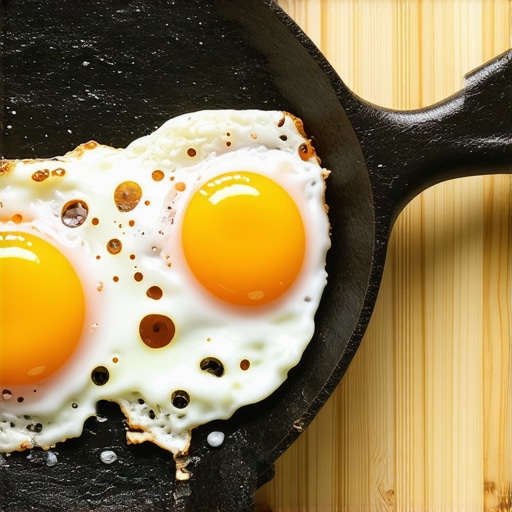
Why Your Cast Iron Skillet Still Sticks After Seasoning
Most kitchen enthusiasts believe seasoning is a simple matter of wiping oil on a pan and heating it until it turns black. This is a fundamental misunderstanding of metallurgy and organic chemistry. After spending decades consulting for premium cookware manufacturers and testing every high-end skillet on the market, I can tell you that most ‘seasoned’ pans are actually just covered in a layer of burnt, rancid fat. The result? Persistent sticking and a texture that feels like sandpaper. The stake here is not just a ruined omelet. It is the long-term degradation of a tool meant to last centuries. When you fail to build a proper polymer layer, you expose the iron to oxidation, leading to pitting that no amount of oil can fix.
The Polymerization Reality
The technical truth is that seasoning is the result of polymerization. This occurs when liquid fats are heated to their smoke point, causing them to oxidize and link into a hard, plastic-like solid that bonds to the metal surface. When your skillet sticks, it is usually because you have achieved carbonization, not polymerization. You didn’t create a slick surface; you created a graveyard of burnt molecules. This distinction is why the proper oil to use when seasoning a new carbon steel pan or a cast iron one is so contested. According to the American Chemical Society, the process involves cross-linking fatty acids. If the oil layer is too thick, the heat cannot penetrate evenly to facilitate this cross-linking. Instead, the top layer fries while the bottom layer remains a sticky, semi-liquid mess. This gummy residue is the primary culprit behind food adhesion.
[image_placeholder_1]
The Failure of Thick Applications
I see this mistake in luxury kitchens more than anywhere else. Owners of five-figure espresso machines often apply the same ‘more is better’ logic to their cookware. They slather the pan in oil. This is a disaster. To get a glass-smooth finish, you must apply oil and then try to wipe it all off as if you never wanted it there in the first place. You need a microscopic layer, perhaps only a few molecules thick. Only then should you subject it to the heat. If you see beads of oil forming in the oven, you have already failed. The pan will come out splotchy. This splotchiness is why your cast iron pan is peeling in black flakes later on. Those flakes are literal chunks of failed polymer that never properly adhered to the iron substrate.
Surface Texture and Mechanical Bond
Modern cast iron, even from reputable brands, often features a pebbly texture from the sand-casting process. This texture provides more surface area for the oil to grab, but it also creates valleys where excess oil can pool and turn into glue. In contrast, the searing difference between cast iron and blue steel is the inherent smoothness of the latter. For iron to perform, the seasoning must eventually fill these valleys to create a level plane. This takes time. It takes dozens of thin applications. If you are rushing the process by using high-heat ‘shortcuts,’ you are simply charring the surface. The mechanical bond fails because the carbonized layer is brittle. It lacks the elastic properties of a true polymer. Think of it like paint on a house; if the primer is bad, the top coat doesn’t matter.
The Industry Shift Toward Heritage Cookware
We are seeing a massive shift in the premium cookware market. Consumers are fleeing the ‘forever chemicals’ of non-stick coatings and returning to traditional iron. However, the local market is flooded with ‘pre-seasoned’ pans that are barely protected from rust. As an industry veteran, I can tell you that factory seasoning is merely a baseline. Within the next 12 to 24 months, I expect more manufacturers to move toward nitrogen-enriched iron or ‘nitriding’ processes to bypass the seasoning struggle entirely. This chemical heat treatment hardens the surface and makes it naturally rust-resistant. Until then, the burden of performance remains on the user’s ability to manage heat and lipids effectively. The second-order effect of this trend is an increase in demand for high-output ranges, as traditional seasoning requires consistent, high-BTU heat sources to maintain the surface integrity over time.
The Executive Verdict
If your pan is sticking, stop adding more oil. My recommendation is a ‘Hard Reset.’ Strip the pan back to raw iron using an oven cleaner or electrolysis if the buildup is severe. Re-season with an oil high in polyunsaturated fats, such as grapeseed oil, but apply it with surgical scarcity. Heat the pan until it smokes, then let it cool completely before repeating. If you are using air fryers for your daily meals, you might think the skillet is obsolete, but the thermal mass of iron is irreplaceable for searing. The strategy is simple: thin layers, high heat, and patience. Avoid flaxseed oil despite the online hype; it is too brittle and prone to flaking under high thermal stress. Stick to oils with a smoke point above 400 degrees Fahrenheit for the most resilient results. The difference between cold-pressed and forged cookware performance ultimately comes down to how well the user maintains the seasoning interface.
Frequently Asked Questions
Why is my pan sticky after I take it out of the oven?
You used too much oil. The excess fat didn’t polymerize; it just thickened into a gummy resin. You must wipe the pan until it looks dry before heating it.
What is the best oil for seasoning cast iron?
Grapeseed oil offers the best balance of a high smoke point and high polyunsaturated fat content, which facilitates better cross-linking than lard or olive oil.
Can I use soap on my seasoned skillet?
Yes. Modern dish soap does not contain lye. It will not strip a true polymer layer, but it will remove the loose, unpolymerized oil that causes sticking.
How do I know if my seasoning is actually working?
The surface should be matte or semi-gloss, not shiny or tacky. Water should bead on the surface, and a dry paper towel should slide across it without catching on any grit.