
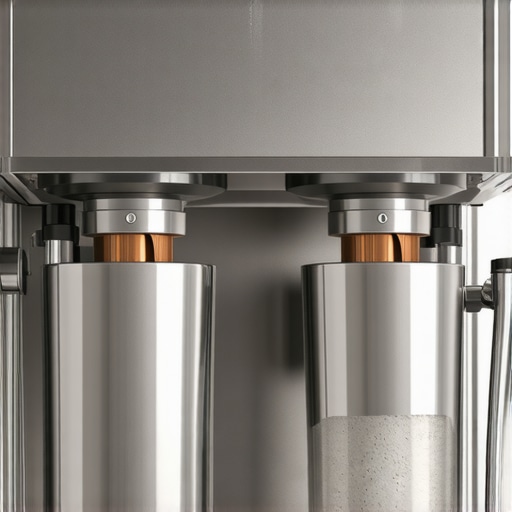
Descaling a dual boiler machine isn’t a routine chore; it is a high-stakes engineering intervention. If you treat your $3,000 Italian-built machine like a $20 drip pot, you are begging for a catastrophic failure. Most owners assume that pouring a generic acid solution into the reservoir and hitting ‘run’ solves the problem. It doesn’t. In fact, it often migrates loose scale directly into the 0.5mm gicleur or the solenoid valve, effectively bricking the system. After fifteen years of diagnosing ‘dead’ machines in our local service center, I can tell you that improper descaling is the leading cause of preventable hardware death. The stakes? A $600 repair bill and weeks of withdrawal while your machine sits on a technician’s bench.
The Correct Way to Descale a Dual Boiler Espresso Machine
The engineering reality of a dual boiler system involves two distinct environments: the brew boiler and the steam boiler. They operate at different temperatures and pressures, meaning mineral precipitation happens at different rates. To do this right, you must understand the syphon effect and the risks of the real difference between boiler and thermoblock espresso systems. Unlike single boiler units, dual boilers often lack a bottom drain, making the complete evacuation of descaling chemicals a geometric nightmare. You aren’t just cleaning surfaces; you are managing fluid dynamics. You must use a solution specifically formulated for the metallurgy of your machine—usually a citric or sulfamic acid base—to avoid pitting the copper or brass internals.
The Engineering Logic of Component Isolation
Start by descaling the brew boiler first. This is the smaller, more sensitive vessel. Run the solution through the group head in short bursts. Why? To prevent the pump from overheating. Then, tackle the steam boiler. This is where most people fail. You cannot simply ‘pump’ solution in and out. You need to create a vacuum or use the machine’s own steam pressure to evacuate the water. If you leave even a trace of acid in the steam boiler, your next latte will have a distinct, metallic tang. Worse, that acid will continue to eat the heating element. It is a cost-benefit calculation: spend three hours on a meticulous flush now, or spend $200 on a new element next month. If you notice the why your espresso machine pressure gauge is stuck at zero, you likely have a scale blockage in the capillary tube right now.
The Messy Reality of Mineral Migration
The smell of warm citric acid is unmistakable. It’s the scent of a job that can easily go wrong. I’ve seen it happen: a flake of calcium carbonate, no larger than a grain of salt, breaks loose and lodges itself in the one-way check valve. The result? Total loss of pressure. You’ll hear the pump strain—a high-pitched, desperate whine—but no water will flow. This is why we advocate for ‘preventative soft water’ over ‘reactive descaling.’ If your water hardness exceeds 50 ppm, you are playing a dangerous game with your luxury kitchen equipment. Local water reports often fluctuate seasonally; what was safe in June might be scaling your machine in January. High-torque motors and precision electronics can’t save a machine that is physically choked by stone.
Market Shifts and Regulatory Foresight
Looking toward 2025, we are seeing a massive shift in how high-end manufacturers approach maintenance. New European regulations on energy efficiency are forcing boilers to become smaller and more efficient, which unfortunately makes them even more susceptible to scale. The ‘Never Descale’ movement is gaining traction, utilizing BWT (Best Water Technology) filtration systems that swap calcium ions for magnesium. This doesn’t just protect the machine; it improves the extraction profile of your espresso. For those with plumbed-in setups, why you need a dedicated circuit for commercial-grade espresso machines becomes a secondary concern compared to the necessity of an inline softening system. We are moving toward a ‘sealed system’ philosophy where the end-user never touches a descaling packet.
The Executive Verdict
If your machine is already showing signs of scale—slow heat-up times, sputtering steam, or erratic pressure—you must act. However, the protocol is clear: isolate the boilers, use professional-grade inhibitors, and flush three times more than you think is necessary. If you are uncomfortable with the technicality, hire a pro. For those in the purchase phase, prioritize water filtration over the machine itself. An expensive machine on hard water is just a shiny paperweight waiting to happen. Follow the proper way to descale a high end dual boiler machine to the letter. No shortcuts. No vinegar. No excuses.
Frequently Asked Questions
Can I use white vinegar to descale my machine?
Absolutely not. Vinegar is too weak to remove heavy scale and too difficult to rinse out. The acetic acid will linger in the gaskets and ruin the flavor of your coffee for months.
How often should I descale a dual boiler?
If using filtered water, every 6-12 months. If using tap water (not recommended), every 2-3 months. Always check your local water TDS levels first.
Why is my machine leaking after a descaling cycle?
Scale often hides small leaks in old gaskets. Once the scale is dissolved, the ‘plug’ is gone, and the leak reveals itself. This is a sign that your gaskets need replacement, not that the descaling failed.