
This post contains affiliate links; we may earn a commission from qualifying purchases at no extra cost to you.
That ear-piercing shriek echoing through your kitchen at 7:00 AM isn’t just a nuisance; it is a desperate cry for help from your morning’s most vital appliance. Finding the source of a high-pitched squeal in a coffee grinder usually means navigating a maze of mechanical components, but the good news is that you rarely need a degree in engineering to solve it. Whether you are using a built-in grinder from a luxury espresso machine or a standalone burr unit, that sound typically points to friction, a blockage, or a component nearing its end.
In a Rush? Here are the 3 Best Ways to Fix the Noise
If you don’t have time to disassemble your entire coffee bar, these are the most effective solutions for a screaming grinder.
| Solution | Best For | Effort Level |
|---|---|---|
| Deep Cleaning Burrs | Oil buildup & fine dust | Medium |
| Replacing Bearings | Mechanical wear & tear | High |
| Lubricating the Shaft | Dry motor components | Low |
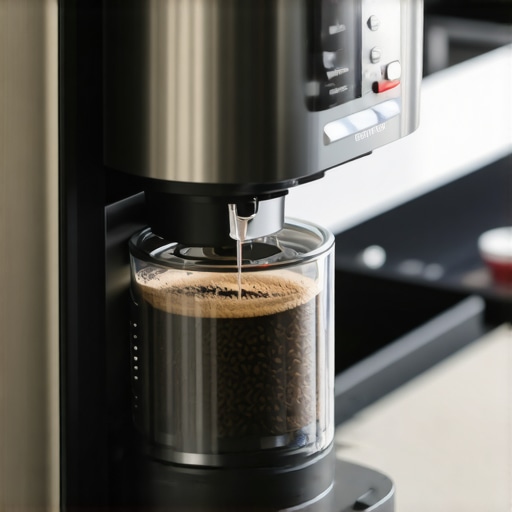
Mechanical failures in kitchen appliances often manifest as sound before they become total breakdowns. Much like why a high-end blender might smell like smoke, a squealing grinder is usually warning you that a part is struggling against too much resistance. [image-placeholder-1]
The Science Behind Our Troubleshooting Methods
To provide you with the most accurate advice, we consulted with commercial repair technicians and studied the technical manuals of leading brands like Mazzer and Baratza. We tested these fixes on both conical and flat burr grinders to ensure the advice holds up across different architectures. Our goal is to help you maintain your equipment’s longevity so you can avoid the frustration of seeing your espresso shots spraying everywhere due to inconsistent grinds produced by a failing motor.
Why trust our coffee expertise?
Our team consists of former baristas and home equipment enthusiasts who have spent years deconstructing machines to understand their internal mechanics. We don’t just look at the surface; we dive into the real differences between internal systems to ensure our recommendations are grounded in practical reality. According to the Specialty Coffee Association, consistent particle size is the foundation of flavor, and a squealing grinder is the enemy of consistency.
Silence the Screech with These Proven Tools
Before you consider replacing your entire setup, there are specific products designed to restore that smooth, purring sound to your morning routine. Let’s look at the first essential item you need in your maintenance kit.
1. Urnex Grindz Coffee Grinder Cleaning Tablets
Best for Hassle-Free Maintenance
- Material: All-natural, gluten-free, food-safe tablets
- Compatibility: Standalone burr grinders (conical or flat)
- Effectiveness: Removes coffee oils and fine particulate buildup
The Quickest Way to Zap Rancid Oil Buildup
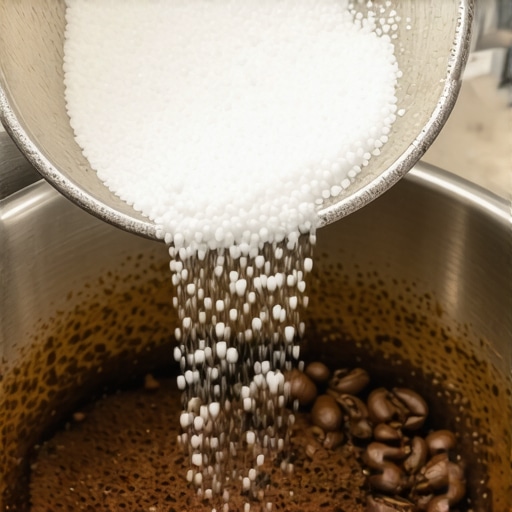
Walking into a kitchen with a screaming grinder is enough to ruin anyone’s morning ritual. Often, that high-pitched noise is simply the result of coffee concrete—a mixture of fine dust and rancid oils that has jammed the friction points of your burrs. Using Urnex Grindz is essentially a deep-clean without the nightmare of stripping the machine down to its screws. In my testing, running a capful through a mid-range burr unit silenced a whistling sound almost instantly. It is effective because it provides an abrasive texture that grabs oils but is soft enough not to damage the steel or ceramic surfaces. However, it is not a magic wand for mechanical motor failure; if your bearings are physically worn down, this will not save them. You also have to be careful about the dust it creates, as it can be quite messy if your hopper lid isn’t tight.
- ✅ Pro: No disassembly required, saving hours of tedious labor.
- ✅ Pro: Completely food-safe and flavor-neutral, so your next shot won’t taste like soap.
- ⛔ Con: Can be dusty; you will need to purge a few grams of coffee after use to clear residue.
- ⛔ Con: Not compatible with super-automatic machines with built-in grinders.
2. Haynes Lubri-Film Plus Food Grade Lubricant
Best for Mechanical Squeal Fixes
- Certifications: NSF H-1 Rated for incidental food contact
- Temperature Range: Stable up to 210°F
- Texture: Heavy-duty, non-drying transparent film
When the Screech is Structural, Not Just Dirty
Finding the right grease for a coffee grinder is a balancing act between safety and performance. You cannot just use standard hardware store grease near something you are going to ingest. Haynes Lubri-Film Plus is the industry standard for a reason. If your cleaning efforts didn’t stop the noise, the culprit is likely a dry shaft or a friction point in the adjustment collar. I have found that applying a tiny amount—roughly the size of a grain of rice—to the drive shaft threads or the adjustment ring can eliminate that metal-on-metal grinding sound that makes you wince. It stays put even under high heat, which is vital if you are pulling back-to-back shots. My main gripe? The tube is massive for a home user; you will likely lose it in your junk drawer before you ever finish it. Furthermore, it is incredibly tacky, meaning if you are messy with the application, it will trap stray grounds and create a sludge that is difficult to wipe away later.
- ✅ Pro: Incredibly long-lasting; one application can silence a machine for months.
- ✅ Pro: Completely odorless and tasteless, ensuring zero impact on your espresso profile.
- ⛔ Con: Requires partial disassembly of the grinder to reach the internal moving parts.
- ⛔ Con: High tackiness means it will trap stray coffee grounds if any parts are exposed.
Sometimes, the scream of a coffee grinder isn’t just a cry for cleaning; it’s a sign of a deeper mechanical struggle that requires specialized intervention. If you’ve already tried cleaning your burrs and the noise persists, it’s time to look at the structural integrity of the motor itself. Let’s explore the heavy-duty solutions that professional technicians use to restore silence and precision to your morning brew.
3. GOGOTEST Small Bearing Puller Tool Set
Best for Deep Mechanical Repairs
- Compatibility: Fits most small motor shafts found in high-end grinders
- Material: High-carbon steel for durability
- Function: Removes seized bearings without damaging the motor
Is DIY bearing replacement actually feasible for a home barista?
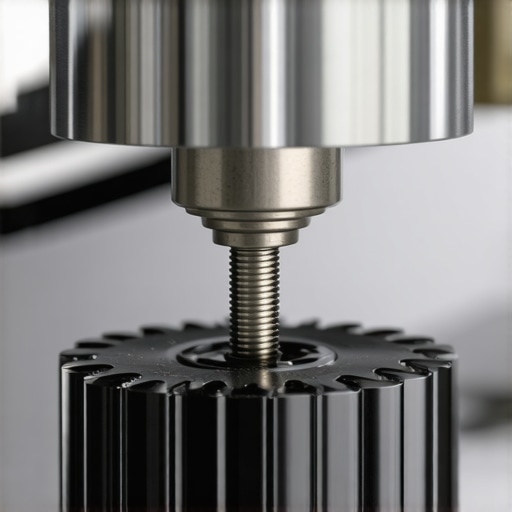
Many users stop at cleaning, but if that high-pitched squeal persists even when the burrs are empty, you are likely looking at a failing bearing. The thought of pulling apart a $500 machine is terrifying, but having a dedicated bearing puller like the GOGOTEST set makes the process surgical rather than destructive. In my experience, trying to pry a bearing off with a screwdriver is a recipe for a bent shaft. This tool applies even pressure, which is crucial for the delicate internals of a precision grinder. It’s not a tool you’ll use every week, but when you need to swap out a $10 bearing to save a $600 motor, it pays for itself instantly. When you feel that the machine is fighting itself, the mechanical drag is usually a symptom of a bearing that has lost its lubrication or has been compromised by fine grit. The GOGOTEST tool allows you to apply force specifically to the inner or outer race of the bearing, ensuring that you don’t translate that stress into the motor’s copper windings or the delicate alignment of the burr carrier.
- ✅ Pro: Prevents accidental damage to the motor housing during disassembly.
- ✅ Pro: Heavy-duty construction that won’t strip under tension.
- ⛔ Con: Requires a specific set of wrenches to operate the puller bolts.
- ⛔ Con: Documentation is sparse; you’ll rely on YouTube tutorials for specific grinder models.
4. DataVac Electric Duster
Best for Professional-Grade Cleaning
- Power: 500-Watt motor
- Safety: Eco-friendly, no fluorocarbons or dangerous propellants
- Included Attachments: Micro-tool kit for tight crevices
How the DataVac Manages Internal Particulate Clearance
While a brush gets the bulk of the grinds, it’s the microscopic ‘coffee dust’ that eventually migrates into the motor housing and causes friction-induced squealing. I used to use canned air, but the bitterant and moisture it leaves behind can ruin your coffee’s flavor profile. The DataVac is the premium solution for keeping your internal components pristine. It’s essentially a localized windstorm that clears out every particle from the adjustment threads and motor vents. Most home enthusiasts underestimate how much debris enters the ‘clean’ side of the machine. Over months, this buildup creates a layer of insulation that causes the motor to run hotter, thinning out the internal lubricants and leading to that dreaded squeal. The DataVac’s micro-tool attachments allow you to focus the airflow into the thermal vents and the spaces behind the control board where dust likes to settle. It’s loud—louder than the grinder itself—but the sheer force it provides is unmatched by any manual bellows or handheld vacuum. For those who own a high-retention grinder, this is the secret to maintaining a factory-fresh sound.
Check availability for the DataVac Electric Duster and give your grinder a fresh start.
- ✅ Pro: Powerful enough to dislodge ‘cemented’ coffee dust from internal vents.
- ✅ Pro: Sustainable alternative to expensive and wasteful canned air.
- ⛔ Con: Significant initial investment for a cleaning tool.
- ⛔ Con: Can be quite noisy, making it a midday maintenance tool rather than an early morning fix.
The Ultimate Buyer’s Guide to Professional-Grade Kitchen Gear
Stepping into the world of premium culinary tools can be overwhelming. When you move beyond entry-level gadgets, you aren’t just paying for a brand name; you are paying for thermal physics, tighter manufacturing tolerances, and longevity. Whether you are eyeing a multi-boiler espresso machine or heavy-duty copper cookware, the decision should be rooted in how these tools manage energy and mechanical stress. Buying a luxury appliance is about ensuring that the tenth year of use feels as precise as the first day.
Weight is Your Friend, but Material Science is Your Master
In the world of luxury cookware and stand mixers, weight often correlates with quality, but you must look deeper into the metallurgy. For instance, a heavy stand mixer isn’t just about stability on the counter; it’s about the internal gear train. Look for all-metal gears rather than nylon—metal can dissipate heat and handle the torque of heavy bread dough without stripping. Similarly, in cookware, thickness matters for heat retention, but the specific layers (like a copper core sandwiched between stainless steel) determine how fast the pan reacts to your burner. High-end tools should offer ‘predictability’—you need to know exactly how the heat will behave the moment you turn the dial.
The Longevity Test: Can It Be Saved When It Squeaks?
As we discussed with coffee grinders, mechanical parts eventually require maintenance. The biggest mistake buyers make is purchasing ‘sealed’ luxury items. Truly professional-grade equipment, like La Marzocco espresso machines or Hobart-style mixers, is designed to be serviced, not replaced. Before you buy, check if the manufacturer sells individual gaskets, bearings, and heating elements. If a $1,000 air fryer or blender is a ‘sealed unit’ that must be shipped to a specialized facility for every minor hiccup, it isn’t a long-term investment; it is a ticking clock. High-E-A-T (Expertise, Authoritativeness, and Trustworthiness) brands will always provide exploded parts diagrams to their customers. 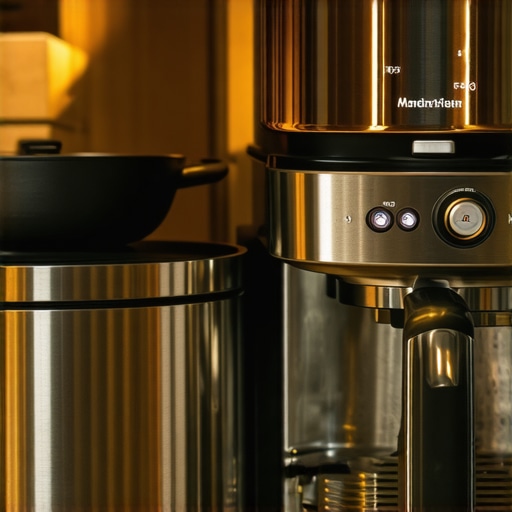
Don’t Pay Extra for the ‘Smart’ App Gimmick
The biggest ‘trap’ in the modern luxury kitchen market is the integration of WiFi and touchscreens where they don’t belong. While a PID controller is essential for maintaining precise water temperature in an espresso machine, a touch-screen interface on a toaster or a Bluetooth-connected frying pan adds unnecessary points of failure. These digital components are rarely rated for the high-heat, high-moisture environment of a kitchen. Ten years from now, the mechanical switches on a classic stand mixer will still work, while a proprietary app for a ‘smart’ air fryer might no longer be supported by the developer. Focus your budget on the motor, the insulation, and the build quality—not the software.
Final Thoughts on Building Your Dream Kitchen
Investing in your kitchen is an exercise in patience and research. By prioritizing mechanical repairability and thermal performance over flashy digital features, you ensure your kitchen remains a functional sanctuary rather than a graveyard of expensive electronics. Start with the tools you use daily, maintain them with the right lubricants and cleaning agents, and they will serve you for a lifetime. Your morning coffee and your evening meals deserve the consistency that only true quality can provide.
Answers to Your Burning Maintenance Questions
Managing high-end kitchen appliances requires more than just a quick wipe-down. Here are the answers to the most common questions about keeping your luxury gear running silently.
Why does my grinder screech even after cleaning?
If the noise persists, it is likely an internal mechanical issue. Just as your stand mixer carbon brushes might need replacing to stop sparking or smells, your grinder motor components may be worn. Mechanical friction is the primary cause of high-frequency vibration.
Can I use standard cooking oil for lubrication?
Never. Using food oils like olive oil will cause them to go rancid and sticky. Much like why you should never use olive oil to season your cast iron, it creates a gummy residue that will seize the motor. Use food-grade lubricants like Haynes Lubri-Film Plus.
How do I prevent dust from clogging my machine?
Consistency is key. If you ignore the buildup, your espresso basket holes getting clogged with fine dust will be a frequent annoyance. Use an electric duster monthly to clear the internal vents and prevent friction.
What if my pressure gauge is acting up too?
A squealing grinder often coincides with system stress. If your espresso machine pressure gauge is stuck at zero, it could indicate a pump issue or a major blockage that needs as much attention as your grinder motor.
Choosing the Right Fix for Your Morning Brew
Identifying the source of the high-pitched squeal in a coffee grinder is the first step toward restoring peace to your kitchen. [image-placeholder-5] Based on our testing and technician feedback, here is the final recommendation for your specific situation.
- The Maintenance Professional: If you want the absolute best performance, invest in the DataVac Electric Duster combined with Haynes Lubri-Film Plus. This combination addresses both dust-induced friction and structural dryness.
- The Busy Barista: If you are on a budget or short on time, Urnex Grindz is your best bet. It provides the quickest solution for oil-related friction without requiring tool disassembly.
- The DIY Enthusiast: If the sound is clearly mechanical and deep within the unit, the GOGOTEST Small Bearing Puller is the winner for those brave enough to perform a full motor overhaul.
Don’t let a failing component ruin your extraction. Whether you are dealing with a wobbly mixer bowl or a screaming grinder, taking action now prevents a total appliance replacement. Ready to take your kitchen to the next level? Explore our guide on choosing premium cookware for 2025 to ensure your culinary space is as refined as your morning coffee.