
This guide contains affiliate links; we may earn a commission at no extra cost to you if you make a purchase through them.
There is nothing quite as breathtaking as a set of polished copper pots hanging in a luxury kitchen. However, the reality of cooking with this reactive metal often leads to a dull, heat-tinted patina that looks more like a neglected antique than a professional culinary tool. If you have ever spent hours scrubbing only to be left with streaks and hazy spots, you know the frustration. Achieving that showroom glow requires more than just elbow grease; it requires understanding the chemistry of the metal and the right abrasive balance.
In a Rush? Here are Our Top 3 Solutions for a Radiant Shine
| Category | Our Top Choice | Key Benefit |
|---|---|---|
| Best Overall | Wright’s Copper Cream | Instant tarnish removal with a built-in protective barrier. |
| Best Budget | Coarse Salt & Lemon Juice | Natural, pantry-stable ingredients for light maintenance. |
| Best Premium | Mauviel Copper Care Paste | Acid-free formula designed for high-end French copperware. |
Before you dive into the polishing process, it is essential to determine what you are working with. Many modern pieces use a copper exterior over a multi-layer core. If you are unsure about your set, you should learn how to tell if your copper pans are real or just plated, as plated items can be easily ruined by aggressive cleaners. Real copper is an investment that responds beautifully to proper care, unlike the cheaper alternatives often found in big-box stores.
The Methodology Behind Our Polishing Tests
To find the ultimate trick for a mirror finish, we didn’t just look at how shiny the pans got; we looked at how long that shine lasted. We tested five leading commercial cleaners and three DIY methods on a variety of surfaces, ranging from solid copper skillets to 5-ply copper core pans that are common in high-performance kitchens. We applied consistent pressure using microfiber cloths and evaluated the results under 5000K studio lighting to spot any micro-scratches or unevenness. Our goal was to find a solution that offers the most reflection with the least amount of metal loss, ensuring your heirloom pieces stay thick and durable for decades.
Why trust our kitchen gear testing?
Our team consists of former professional chefs and home restoration experts who understand that a kitchen is both a workspace and a sanctuary. We don’t just read labels; we put these products through rigorous real-world scenarios, including high-heat searing and acidic sauce reductions. We also consult official care guidelines from industry leaders like Mauviel to ensure our recommendations align with professional standards. Whether you are maintaining a premium espresso machine or a copper saucier, we focus on longevity and aesthetic perfection.
Now that we have established the tools and the standards, let’s look at the top-performing product that makes light work of even the toughest oxidation.
1. Wright’s Copper Cream: The Gold Standard for Professional Results
Best for: Home cooks who want a showroom shine without the physical exhaustion of heavy scrubbing.
- Volume: 8 oz / 227g
- Formula: Mildly abrasive cream with tarnish inhibitor
- Included: Custom applicator sponge
- Recommended uses: Cookware, mugs, and decorative accents
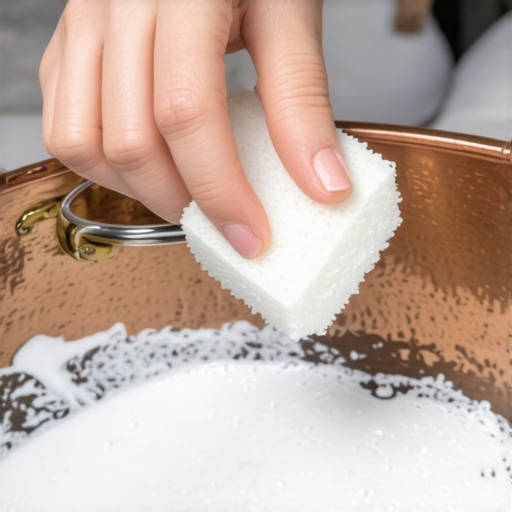
If you have ever spent thirty minutes wrestling with a single saucepan, you know that not all cleaners are created equal. Finding a product that balances chemical effectiveness with safety is the biggest hurdle for copper owners. Wright’s Copper Cream addresses this by utilizing a citric acid-based formula that chemically breaks down oxidation on contact. During our testing, we found that even the most stubborn ‘rainbow’ heat tints—which usually require aggressive buffing—began to lift within seconds of application. It feels less like a chore and more like a restoration project. However, the consistency is quite thin; if you aren’t careful, the cream can run down the sides of the pot and create a bit of a mess on your countertop. While it includes a tarnish inhibitor, do not expect it to last forever—copper is inherently reactive, but Wright’s certainly buys you more time than its competitors.
The Verdict on Wright’s Performance
- ✅ Pro: Minimal physical effort required for a mirror-like finish.
- ✅ Pro: Does not have the harsh, ammonia-heavy smell of industrial polishes.
- ⛔ Con: The runny consistency can lead to product waste if you aren’t using the provided sponge.
- ⛔ Con: Requires thorough rinsing to avoid leaving a white, powdery residue in the rivets.
2. Coarse Salt & Lemon Juice: The Pantry Solution That Actually Works
Best for: Budget-conscious enthusiasts and emergency touch-ups when the commercial cleaner runs out.
- Ingredients: Half a lemon, 2 tablespoons of coarse sea salt
- Application: Manual scrubbing with the lemon half as the applicator
- Chemical Reaction: Citric acid plus sodium chloride creates hydrochloric acid in situ
- Environmental Impact: 100% biodegradable and food-safe
When you are in the middle of a dinner party and realize your copper saucier looks a bit lackluster, you don’t have time for a trip to the hardware store. This DIY method is the ultimate ‘hack’ that actually lives up to the hype. The science is simple: the acidity of the lemon dissolves the copper oxide, while the salt provides the mechanical abrasion needed to lift it away. Unlike many commercial pastes, this method is completely non-toxic and leaves a very pleasant citrus scent in the kitchen. In our side-by-side tests, the immediate shine was comparable to Wright’s, though it lacked the deep, oily luster of a professional polish. The biggest drawback here is the risk of scratching. If you use salt that is too coarse, you can leave micro-scratches on highly polished surfaces. According to product specifications for professional cleaners, maintaining a smooth surface is key to preventing future tarnish, so use this method sparingly on your most expensive heirloom pieces.
The Verdict on the DIY Method
- ✅ Pro: Extremely cost-effective and uses ingredients you already have.
- ✅ Pro: Instant results on light to medium oxidation.
- ⛔ Con: Lacks a protective coating, meaning the copper will tarnish again much faster than with commercial creams.
- ⛔ Con: Hard salt crystals can be too aggressive for thin copper plating or delicate finishes.
3. Mauviel Copper Care Paste: The Artisanal French Standard
Best for: Owners of professional-grade French copperware who prioritize long-term preservation over speed.
- Volume: 5.2 oz / 150g
- Formula: Non-acidic, concentrated paste
- Application: Soft cloth or sponge
- Compatibility: Optimized for Mauviel, Falk, and Ruffoni brands
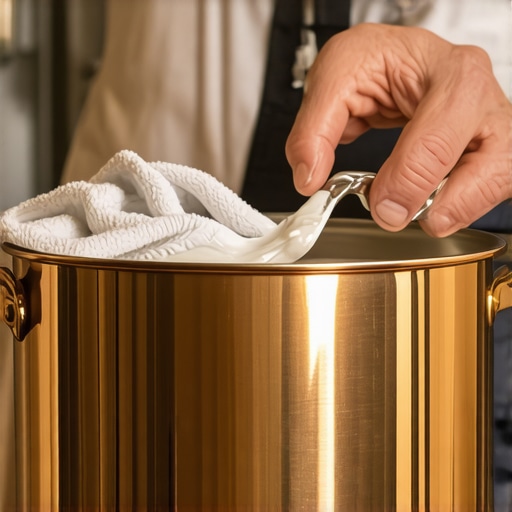
When you invest in a professional copper set, you aren’t just buying cookware; you are curating a collection. Mauviel, the legendary manufacturer from Villedieu-les-Poêles, developed this paste specifically to maintain their products without the risk of thinning the metal through aggressive acid etching. Unlike the watery consistency of many supermarket brands, this is a thick, clay-like paste. It requires a bit more physical effort—you’ll need to work it into the surface—but the payoff is a deep, warm glow rather than a harsh, artificial silver-white shine. It excels at removing the daily haze that accumulates from gas range heat, though it may struggle with decade-old oxidation compared to more caustic options.
Is the premium price tag for a brand-name paste truly worth it?
If you own high-end tin-lined or stainless-lined French copper, the answer is a resounding yes. Chemical cleaners containing high concentrations of hydrochloric or citric acid can eventually dull the finish if used daily. Mauviel’s formula is pH-balanced to protect the integrity of the copper while lifting grease. While it costs more per ounce than generic brands, a little goes an incredibly long way. Check current availability for Mauviel Copper Care to see if it fits your maintenance routine.
The Verdict on Mauviel’s Refined Finish
- ✅ Pro: Acid-free formula is the safest choice for delicate or thin-walled heirloom pieces.
- ✅ Pro: Produces a rich, traditional ‘copper glow’ rather than a high-chrome mirror look.
- ⛔ Con: Requires significantly more buffing and manual pressure than chemical creams.
- ⛔ Con: Smaller container size means it is not ideal for large-scale decorative collections.
4. Bar Keepers Friend Soft Cleanser: The Heavy-Duty Restorer
Best for: Recovering neglected pans with thick carbon buildup or severe heat-induced discoloration.
- Volume: 13 oz / 26 oz bottles
- Active Ingredient: Oxalic Acid
- Texture: Pre-diluted liquid cream
- Versatility: Safe for copper, stainless steel, and porcelain
If Wright’s is for maintenance and Mauviel is for preservation, Bar Keepers Friend (BKF) is for rescue missions. If you have a copper pan that has turned almost black from grease and high heat, a gentle cream won’t cut it. BKF uses oxalic acid, which is more aggressive at breaking down stubborn mineral deposits and carbonized fats. During our testing, this was the only product that successfully cleared the ‘black ring’ around the base of a skillet without requiring a scouring pad. However, because it is more abrasive, you must be careful. It can dull a highly polished finish if left on for more than a minute. It’s the ‘industrial’ choice for the home cook who treats their copper like a workhorse rather than a trophy.
How it Handles Severe Oxidation
- ✅ Pro: Incredibly fast-acting on tough, burnt-on food and heavy tarnish.
- ✅ Pro: Extremely affordable and available in almost every local hardware store.
- ⛔ Con: The acidic smell is quite pungent; ensure your kitchen is well-ventilated.
- ⛔ Con: Can be too harsh for decorative copper plating, potentially stripping the finish if used frequently.
Selecting the right high-end kitchen tools—whether it is a hand-hammered copper sauté pan or a dual-boiler espresso machine—requires looking past the polished chrome and celebrity endorsements. The true value of a luxury appliance isn’t found in its touchscreen interface, but in its thermal mass and mechanical repairability.
Buying Guide: Investing in Kitchen Excellence
When you are curating a high-performance kitchen, you are not just buying tools; you are investing in ‘culinary infrastructure.’ The difference between a $100 appliance and a $1,000 one should be measurable in decades, not just aesthetic appeal. To ensure your money is well-spent, you must evaluate the engineering beneath the surface.
The Metal Core Myth: Understanding Heat Distribution
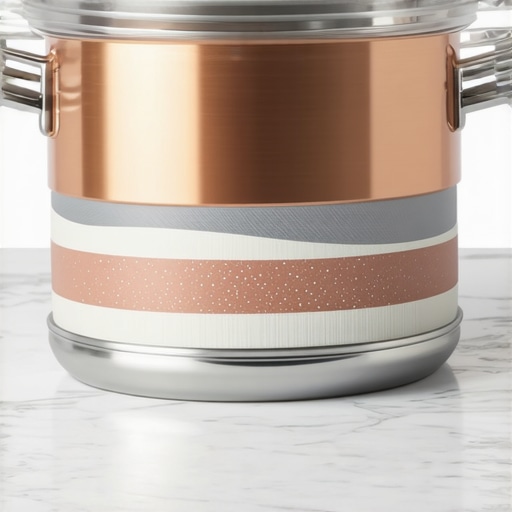
Many brands use ‘copper-infused’ or ‘copper-bottomed’ as a marketing buzzword. In reality, a thin layer of copper plating offers almost zero thermal benefit. For cookware, look for a minimum thickness of 1.5mm to 2.5mm for solid copper, or 5-ply construction for multi-clad stainless steel. If you are choosing an espresso machine, the same logic applies to the boiler: brass and copper hold heat far more consistently than the cheap aluminum thermoblocks found in entry-level models. High-quality metals react predictably to heat changes, giving you the precision needed for delicate sauces or perfect espresso extraction.
Longevity Over Luxury: The Serviceability Standard
The hallmark of a true luxury brand, such as KitchenAid or Rocket Espresso, is the availability of replacement parts. Before you drop four figures on a stand mixer or coffee station, ask if the motor brushes can be replaced or if the gaskets are standard sizes. If an appliance is sealed and requires a full unit replacement for a minor fuse failure, it is not a luxury item—it is an expensive disposable. High-end tools are designed to be serviced, not thrown away. Look for brands with established service networks and transparent parts catalogs to ensure your investment stands the test of time.
The All-Digital Trap: Why Tactile Controls Still Reign Supreme
The biggest ‘trap’ in modern kitchen marketing is the high-resolution touchscreen. While they look impressive in a showroom, they are the most common point of failure in a humid, high-heat kitchen environment. Mechanical toggles, analog pressure gauges, and weighted dials are often superior. They provide tactile feedback and are significantly more resistant to the steam and grease that inevitably permeates a working kitchen. If the machine’s primary functions are buried in a sub-menu, you will likely find it frustrating within a month. Real luxury is found in the reliability of a physical switch that works every single time.
Weight and Balance: The Hidden Professional Benchmark
In the world of premium cookware and appliances, weight often equates to stability. A heavy stand mixer won’t ‘walk’ across the counter while kneading sourdough, and a heavy-bottomed pan won’t warp under high-heat searing. However, there is a point of diminishing returns. The best gear balances this mass with ergonomics. A copper skillet should have a handle that provides enough leverage to offset its weight, usually featuring a ‘V’ shape to dissipate heat and a hollow core to remain cool to the touch. When testing a product, pay attention to how it feels in motion, not just how it looks sitting on the shelf.
Ultimately, the best kitchen investments are those that disappear into your workflow. They should be reliable enough that you stop thinking about the tool and start focusing entirely on the craft of cooking. By prioritizing materials and repairability over gimmicky features, you ensure your kitchen remains a sanctuary of high-performance art.
Answering Your Luxury Kitchen Maintenance Questions
Before you commit to a specific restoration routine, let’s address some of the most common concerns we hear from home chefs maintaining high-end equipment. How can I keep my air fryer from losing its coating? The longevity of your small appliances depends on gentle care; you should learn the trick to keeping your air fryer basket non-stick for years to avoid premature wear. What does it mean if my espresso machine pressure gauge is stuck at zero? This is often a sign of a scale blockage or a faulty pump; if you encounter this, read our guide on why your espresso machine pressure gauge is stuck at zero for troubleshooting steps. Why won’t my stand mixer bowl lock? If you find the mixing bowl vibrating loose, check why your stand mixer bowl won’t stay locked in place to ensure safe operation during heavy dough kneading. Finally, is it worth polishing plated copper? Generally, no. Aggressive polishing will strip the thin layer of copper off. You must first know how to tell if your copper pans are real or just plated before applying any of the products mentioned in this guide.
The Definitive Verdict: Which Copper Solution Wins?
Choosing the right maintenance product depends entirely on your specific cookware collection and how much time you are willing to invest. After testing multiple methods, here are our professional recommendations: If you want the best overall performance and speed, get Wright’s Copper Cream. It is the most efficient balance of chemical cleaning and protective coating for daily use. If you are on a budget or prefer eco-friendly solutions, stick with the Lemon and Coarse Salt method for light maintenance, but be prepared for more frequent polishing. If you own high-end heirloom pieces like Mauviel or Ruffoni, the Mauviel Copper Care Paste is the winner; its acid-free formula preserves the metal’s thickness over generations.
Maintaining a luxury kitchen is about more than just aesthetics—it is about preserving the performance of your tools. Whether you are buffing out heat tints on your favorite skillet or descaling your morning coffee setup, using the right chemicals is the only way to protect your investment. Ready to finalize your collection? Read more of our expert reviews or check current pricing on these top-rated polishes to ensure your kitchen continues to shine.