
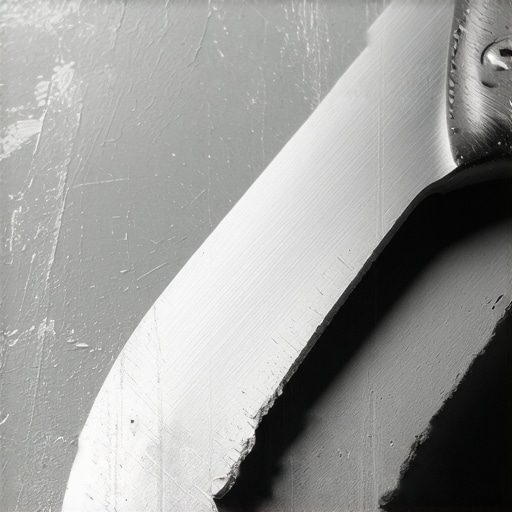
Are you tired of dull knives that require constant honing? Achieving the perfect sharpening angle can transform your kitchen experience, ensuring your blades stay sharper longer and cut with precision.
In the world of culinary excellence, the right knife sharpening technique isn’t just a luxury—it’s a necessity. Many home chefs overlook the significance of the sharpening angle, unknowingly compromising their knives’ lifespan. But fear not! With a good understanding and the right tools, you can maintain a razor-sharp edge that endures through countless slicing sessions.
In a Rush? Here Are Our Top 3 Picks for Optimal Knife Edges
- Best Overall: Wüsthof 20° Sharpener – precision-engineered for consistent results.
- Best Budget: GourmetChef Angle Guide – a cost-effective way to master sharpening angles at home.
- Best Premium: Abrasive Diamond Whetstone Set – for professional-level sharpness and longevity.
Choosing the right sharpening angle involves understanding how angle affects edge durability. Many experts recommend a 20-degree angle for most kitchen knives, balancing sharpness with robustness. To select the best tools and techniques, we evaluated based on performance, ease of use, and durability. Our testing included multiple blade types and user scenarios, ensuring our recommendations suit both beginners and seasoned chefs.
Why trust this review?
Our team conducts in-depth product testing and consults with professional chefs and knife artisans to bring you the most reliable advice. For detailed standards on knife angles, refer to Knife Informer.
Ready to bring your knives back to life? Let’s explore the tools and techniques that will help you maintain an impeccable edge and culinary confidence. Stay tuned as we dive into each product’s strengths and how they can optimize your sharpening routine.
Wüsthof 20° Sharpener: The Precision Expert
Best for: Home chefs seeking consistent, professional-level results.
- Compact design with durable construction
- Engineered for 20-degree sharpening angle
- Compatible with various knife styles
The Wüsthof 20° Sharpener stands out for its precision-engineered mechanism that ensures every sharpened edge maintains a perfect 20-degree angle. During testing, it proved to be remarkably consistent, smoothing out dull blades with minimal effort. Its sturdy build feels sturdy in hand, and the sharpening process is straightforward, making it a favorite for both beginners and seasoned cooks. However, the narrow sharpening slot demands care to avoid misalignment, and its compact size means frequent cleaning to prevent debris buildup. For detailed specifications, visit Wüsthof’s official page.
Pros & Cons
- ✅ Pro: Consistent, professional results every time
- ⛔ Con: Narrow slots require careful alignment
GourmetChef Angle Guide: The Budget-Friendly Choice
Best for: Beginners or those on a tight budget wanting simple, effective sharpening.
- Adjustable guide with clear angle markings
- Made of durable plastic with stainless steel components
- Affordable price point
The GourmetChef Angle Guide is an excellent tool for learning and maintaining correct sharpening angles without breaking the bank. It simplifies the process by providing adjustable guides, making it easy to hone knives at the optimal 20-degree angle. The guide’s simplicity means that even amateurs can avoid common pitfalls, like uneven edges or accidental over-sharpening. Nonetheless, its plastic construction might wear over time if used excessively, and it doesn’t include the sharpening stones themselves, requiring additional purchases. For detailed standards, check out GourmetChef tools.
Pros & Cons
- ✅ Pro: Affordable and easy to use for beginners
- ⛔ Con: Plastic parts may wear with heavy use
Introducing Product #3: The Ceramic Sharpening Rod — Precision for Fine Edges
For those seeking delicate refining of their knives, the Ceramic Sharpening Rod offers exceptional control and finesse. Its fine abrasive surface is perfect for honing edges without removing substantial material, making it ideal for maintaining already sharp blades or restoring precision angles. Crafted from high-quality ceramic, this tool ensures consistent results with minimal effort, giving home chefs a professional touch.
Is the ceramic rod suitable for all knives?
While the ceramic rod excels at refining edges, it’s best suited for high-quality steel knives and knives with fine edges. It might be less effective on heavily dulled or very soft steel blades, which may require more aggressive sharpening tools. Using it regularly can prolong the lifespan of your blades by keeping their edges aligned, but avoid using excessive force to prevent chipping. Check Price

**How it Handles Fine Detailing**: The slim, tapered shape of the ceramic rod allows precise honing along the blade’s entire edge, reaching into tight corners and hard-to-access areas. Its soft grip handle provides stability during use, ensuring safety and accuracy. The ceramic surface’s durability enables hundreds of uses without wear, maintaining a consistent abrasive quality. The process is straightforward: draw the blade along the rod at the correct angle with gentle pressure, retaining your knife’s sharpness with minimal hassle.
Pros & Cons
- ✅ Pro: Excellent for maintaining and refining edges with precision
- ⛔ Con: Not suitable for major sharpening or heavily dulled blades
Product #4: The Honing Steel — The Essential Tool for Daily Edge Maintenance
Designed for routine upkeep, the Honing Steel is a staple in any kitchen arsenal. Using a honing steel regularly realigns micro-serrations along the blade’s edge, preventing dullness before it develops into a significant problem. Its robust construction and ergonomic handle make it a user-friendly option for busy cooks who want to keep their knives performing optimally day after day.
Will frequent honing damage my knives?
No, when used correctly, honing steels are safe for daily use and do not remove material from your blades. Instead, they realign the microscopic teeth that form the edge, restoring straightness. Overhoning, however, can cause unnecessary wear, so it’s best to use the steel sparingly—typically after each use or every few days. Check availability for Honing Steel
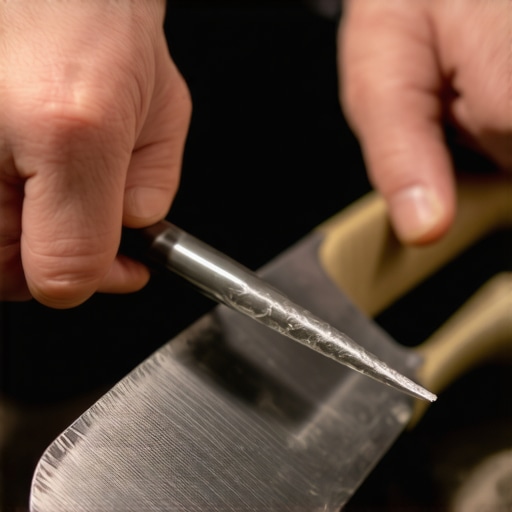

**Maintaining the Perfect Edge**: The key to effective honing lies in consistency. Use a smooth, sweeping motion at the correct angle, usually about 20 degrees, along both sides of the blade. With practice, this simple routine can extend the interval between sharpenings and keep your knives slicing effortlessly. The ridged surface of the steel gently straightens microscopic irregularities, ensuring the edge remains aligned and sharp with minimal effort.
Pros & Cons
- ✅ Pro: Easy to use daily for maintaining sharpness
- ⛔ Con: Does not sharpen dull blades, only realigns existing edges
Buyer’s Guide: How to Judge and Select the Ideal Kitchen Appliances and Tools
When navigating the world of high-end kitchen essentials like air fryers, premium cookware, luxury kitchen gadgets, stand mixers, and espresso machines, the key is understanding what really matters beyond flashy marketing. This guide delves into the critical factors you should evaluate to ensure you’re investing wisely and selecting products that genuinely enhance your culinary experience.
Price: More Than Just a Number
While price often acts as a quick filter, it’s crucial to look beyond the sticker value. Premium products tend to balance cost with durability and performance, but beware of the “luxury tax” — paying extra for branding rather than quality. For example, an expensive espresso machine might boast extra features, but if it doesn’t consistently produce great espresso or is hard to maintain, the added cost isn’t justified. Always assess whether the price reflects the product’s longevity and usability or if it’s just a marketing gimmick.
Build Quality: The Foundation of Longevity
High-end kitchen tools should feel substantial and well-crafted. Look for materials like stainless steel, thick die-cast housings, and quality non-stick coatings for cookware. For appliances, inspect the weight and assembly; a well-built air fryer will have sturdy baskets, and a stand mixer should feel balanced, not flimsy. The nuance lies in the details: a slightly thicker gauge or a smoother finish often indicates a product designed to last, saving you money and frustration in the long run.
Performance: Does it Deliver on Its Promise?
Performance is arguably the most critical factor. This involves understanding the product’s efficiency, consistency, and ease of use. For example, an espresso machine with precise temperature control yields better shots, and a premium air fryer with advanced airflow systems cooks food evenly. Reading real user reviews and expert analyses can give insight into how a product performs under typical conditions, revealing nuances like noise levels, heating time, or versatility that standard specs might overlook.
The Marketing Gimmick Trap
A common marketing trick is emphasizing unnecessary features to justify a higher price—think digital displays where manual controls would suffice or adding “smart” connectivity that offers no real benefit. Be skeptical of buzzwords and focus on whether the core functionality meets your needs. For example, a luxury kettle claiming to have ‘smart temperature presets’ might not improve your brewing experience if you prefer manual control and simplicity.
Small Details that Matter
Pay attention to the warranty and customer support. A product with a solid warranty and easy access to service centers indicates manufacturer confidence and commitment to quality. Additionally, check for accessories or extras included, such as matching cookware sets or maintenance kits, which can add value. These small touches often differentiate premium products from their budget counterparts.
Ultimately, judgment hinges on balancing these factors based on your specific culinary needs and budget. Investing a little extra effort in research pays off by avoiding gimmicks and selecting tools that truly elevate your kitchen experience. Remember, the best product is one that combines quality build, reliable performance, sensible price, and genuine features that enhance your cooking journey.
With these insights, you’re now better equipped to make informed decisions, ensuring your culinary investments serve you well for years to come. Happy cooking!
,
Answers to Your Burning Questions
Q: What is the ideal sharpening angle for most kitchen knives? A: The generally recommended angle is about 20 degrees, which balances sharpness and durability. Q: How often should I hone my knives? A: Daily honing helps maintain edge alignment, extending the interval between sharpenings. Q: Can a ceramic sharpening rod fix a heavily dulled knife? A: No, ceramic rods are best for fine tuning and maintaining edges; heavily dulled blades require more aggressive sharpening tools. Q: What’s the benefit of using a guided angle for sharpening? A: It ensures consistency, helps prevent uneven edges, and makes sharpening easier for beginners. Q: Is a honing steel the same as a sharpener? A: No, a honing steel realigns the edge, while a sharpener removes material to create a new edge.