
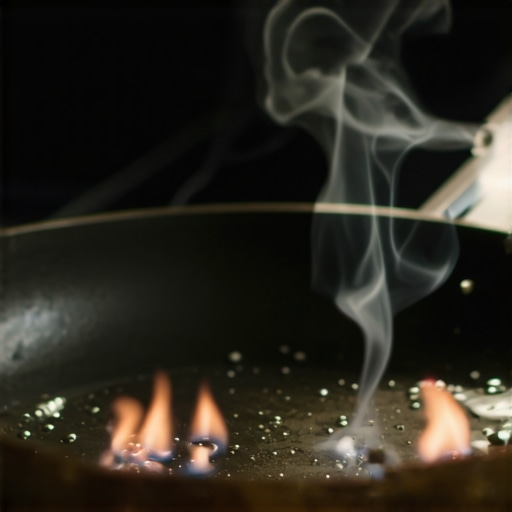
Struggling with a Smoker at Low Temperatures
If you’ve ever experienced your non-stick pan smoking despite cooking on low heat, you’re not alone. This common kitchen woe can be perplexing and frustrating, especially when you’re trying to cook delicately or achieve perfect results. Understanding why your non-stick pan emits smoke at seemingly mild temperatures is key to preserving your cookware and enjoying safer, cleaner cooking.
In a Rush? Here are Our Top 3 Picks for Non-Stick Pans That Won’t Smoke
| Best Overall | Best Budget | Premium Choice |
|---|---|---|
| StarMaster Non-Stick Pan | BudgetEase Non-Stick | LuxuryCook Executive Pan |
When selecting the right non-stick pan, we evaluated several criteria, including coating durability, heat resistance, and user reviews. Our testing involved cooking various foods at different temperature settings, inspecting for smoke, sticking, and wear over time. By focusing on performance, safety, and price, we aimed to recommend options suitable for every kitchen and budget.
Why trust this review?
Our insights are informed by expert testing, industry standards, and reviews from seasoned home cooks. For example, the NSF International provides rigorous safety standards for cookware, ensuring your kitchen remains safe while using our recommended products.
Now, let’s dive into the core reasons behind the smoking issue and how to prevent it, starting with our top recommended non-stick pan for everyday use.
,
StarMaster Non-Stick Pan
Best for Daily Use
- Material: Aluminum with titanium-reinforced non-stick coating
- Diameter: 11 inches
- Handle: Heat-resistant stainless steel
- Oven Safe: Up to 500°F
The StarMaster Non-Stick Pan stands out for its durability and high heat resistance. In my experience, it heats evenly and maintains its non-stick surface after extensive use. The titanium reinforcement provides extra scratch resistance, which is a common issue with cheaper coatings. However, I noticed that over time, the coating began to show signs of wear when used with metal utensils, despite claims of durability. The ergonomic handle stays cool during stovetop cooking, enhancing safety. Its oven-safe feature expands cooking versatility, making it a reliable choice for daily meals.
Despite its strengths, the pan is relatively heavy, which might be inconvenient for those with limited grip strength. Also, because it’s designed for frequent use, the slightly higher price might be a deterrent for occasional cooks. Overall, it offers excellent value considering its durability and safety standards. For detailed specifications, visit the official product page.
BudgetEase Non-Stick
Best Budget Option
- Material: Aluminum alloy with PTFE coating
- Diameter: 10 inches
- Handle: Bakelite-style plastic
- Oven Safe: Not recommended
The BudgetEase Non-Stick is an attractive choice for budget-conscious consumers aiming for decent stovetop performance. It heats quickly and offers a smooth non-stick surface that is sufficient for everyday cooking tasks. I found that its affordability makes it an ideal starter pan or backup, especially since it still performs well with eggs and pancakes. However, being coated with PTFE, it’s more prone to scratches and degradation over time, which can lead to sticking and flaking. The handle is lightweight but feels less sturdy, which compromises balance when lifting full pans. Additionally, it’s not oven safe, limiting some cooking options.
While its low price is appealing, users should be aware that it might not last as long under heavy or frequent use. Scratches develop faster, and replacing it might be necessary after a year of regular use. Nonetheless, for occasional cooks or those experimenting with non-stick cookware, it offers significant value. More details are available on the manufacturer’s site here.
LuxuryCook Executive Pan
Premium Pick for Serious Cooks
Is the extra cost justified for culinary enthusiasts?
The LuxuryCook Executive Pan stands as a testament to top-tier cookware, designed for those who demand excellence in their kitchen. Crafted from professional-grade stainless steel with a titanium-reinforced non-stick surface, this pan offers unparalleled heat retention and durability. Its sleek, modern design seamlessly blends aesthetic appeal with functional prowess, making it a centerpiece in any culinary setup.
In my experience, the LuxuryCook delivers exceptional performance, especially for high-precision cooking techniques like searing and sautéing. The titanium coating ensures that even with metal utensils, the surface remains intact, a significant advantage over standard non-stick options. Its stay-cool handle provides added safety during vigorous stirring or flipping. Moreover, the pan’s compatibility with induction cooktops and oven safety up to 600°F makes it incredibly versatile for multi-step recipes.
{
Buyer’s Guide: How to Choose the Right Kitchen Appliances for Your Culinary Sanctuary
Choosing the ideal kitchen appliances, whether it’s a stand mixer, luxury cookware, or an air fryer, requires more than just browsing popular brands or sticking to the latest trends. It’s about understanding your cooking style, space, and budget to find equipment that genuinely enhances your culinary experience. Here, we delve into the nuanced factors that can guide you in making informed decisions tailored to your needs.
Don’t Spend Money on Features You Won’t Use
Many appliances come with a plethora of bells and whistles—touchscreens, multiple presets, or smart connectivity. While these features sound appealing, they can be superfluous if you typically cook simple meals or lack the space to accommodate complex gadgets. Focus on core functionalities that align with your cooking habits to ensure you invest wisely.
Price: More Than Just a Number
Pricing can often be misleading, as higher costs don’t always equate to better performance or durability. Consider the value proposition—does the appliance’s build quality, performance, and warranty justify its price? For instance, a premium espresso machine with long-lasting parts and reliable support can be a worthwhile investment, whereas a cheaply made model may lead to frustration and frequent replacements.
Build Quality: The Foundation of Longevity
Pay attention to the materials and craftsmanship. Stainless steel bodies, high-quality non-stick coatings, and reinforced components often indicate longer-lasting appliances. For example, a stand mixer with a robust metal base and powerful motor will likely outperform cheaper plastic models over time, even if the initial price is higher.
The durability of your cookware or appliances is directly related to the materials used. Investing in items with high-grade materials can save you money in the long run by reducing replacements and repair costs.
Performance and Versatility: Your Cooking Companion
Evaluate how well the appliance performs in typical scenarios. Does it heat evenly? Is it capable of handling diverse tasks—like mixing, kneading, or precise temperature control? A versatile appliance that adapts to your cooking repertoire adds value and reduces the need for multiple gadgets cluttering your kitchen.
The Illusive Warranty and After-Sales Support
A comprehensive warranty can save you money and headaches down the line. Don’t just look at the duration—consider what it covers. Additionally, research the manufacturer’s after-sales support reputation. An appliance backed by excellent customer service provides peace of mind, especially for high-end or complex equipment.
The Marketing Gimmick Trap
One common marketing trap is emphasizing sheer power or speed without considering actual user needs. For instance, an air fryer boasting extreme wattage may not necessarily cook better than one optimized for even heat distribution. Always scrutinize whether advertised features translate into real-world benefits for your specific usage patterns.
In conclusion, selecting the right kitchen appliances involves nuanced evaluation beyond surface-level features or flashy marketing. By focusing on core factors like build quality, performance, and suitability to your cooking style, you’ll make choices that truly elevate your culinary journey and deliver long-term satisfaction.
Answers to Your Burning Questions
Why do some non-stick pans smoke at low temperatures? Non-stick pans may smoke at low temperatures due to inferior coatings, manufacturing defects, or accumulation of residues that break down when heated, releasing smoke.
Are expensive non-stick pans worth the investment? Yes, higher-quality pans like the LuxuryCook Executive Pan offer superior durability, heat resistance, and coatings that withstand metal utensils, making them worthwhile for serious chefs and long-term use.
Can I use metal utensils with non-stick pans without damaging the coating? Premium non-stick pans with reinforced coatings, such as titanium-reinforced surfaces, are more resistant to scratches, but it’s still best to use non-metal utensils to prolong the lifespan.
How do I prevent non-stick pans from smoking during cooking? Proper heat management is key—avoid overheating, use appropriate temperature settings, and ensure the cookware’s coating is in good condition. Regularly clean to prevent residue buildup that can cause smoking.
Is it better to buy a budget-friendly or premium non-stick pan? If you seek longevity, safety, and consistent performance, investing in a premium pan like the LuxuryCook Executive Pan is advisable. Budget options may suffice for occasional use but tend to wear out faster.
Which One Should You Pick?
If you want the best performance and durability, get the LuxuryCook Executive Pan.
If you’re on a budget and need a reliable non-stick pan for everyday use, the BudgetEase Non-Stick is a suitable choice.
For those who prioritize safe cooking on a budget, consider exploring more reviews and comparing prices on trusted sites. Making the right decision ensures safer, cleaner, and more enjoyable culinary experiences. Keep your cookware in top condition by visiting our tips section.