
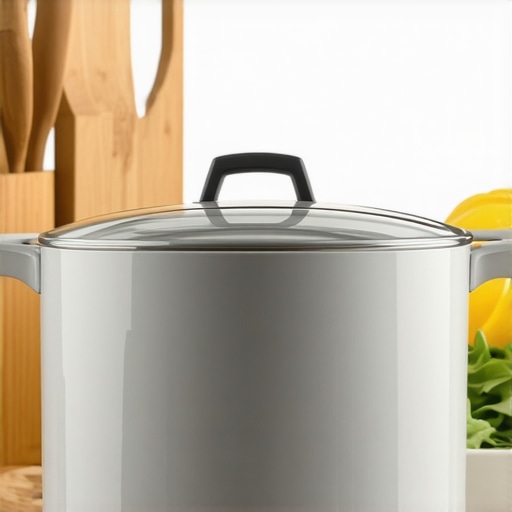
Enameled cast iron represents a pinnacle of culinary engineering, a fusion of rugged iron and delicate glass. Chipping on the rim is not an inevitability of age; it is a symptom of mechanical shock and thermal mismanagement. After 15 years in the premium cookware industry, I have seen thousands of pieces of high-end iron succumb to avoidable trauma. The rim is the most vulnerable zone because it is the termination point of the enamel application, leaving the coating exposed to lateral impacts. The result? Avoidable failure. In a luxury kitchen where you might juggle the complexities of high-end espresso machines and professional stand mixers, the Dutch oven remains the most sensitive asset to physical handling.
How to Stop Your Dutch Oven from Chipping on the Rim
The primary driver of rim damage is the lid-to-pot interface. People treat their cookware with a heavy hand, ignoring the reality that they are slamming glass against glass. Every time you drop that heavy lid without a buffer, you create microscopic fractures. These fissures eventually expand into visible chips. Use plastic or silicone pot protectors during storage. These small clips provide the necessary clearance to prevent direct contact. If you have already noticed hardware issues, you should learn how to fix a wobbly handle on your Le Creuset Dutch oven because a loose lid is a high-velocity chipping hazard. Stop stacking other pots inside your Dutch oven without a thick felt liner. The weight of a secondary pot concentrated on the rim of the base vessel is a recipe for disaster.
The Engineering Reality of Thermal Expansion
Vitreous enamel and cast iron do not expand at the same rate. This coefficient mismatch is where the danger lies. Rapid heating or cooling—thermal shock—puts immense stress on the bond between the two materials. The rim, being thinner and more exposed, experiences these temperature shifts first. Never plunge a hot pot into cold water. The iron wants to contract, the glass resists, and the rim pops. This is a technical truth: the edge is the weakest link in the structural chain. When building a professional-grade set, why you should avoid buying pre-packaged cookware sets becomes apparent when you realize that specialized care requirements differ vastly between your Dutch oven and your stainless steel pans. For those already dealing with minor interior issues, knowing the only way to fix a scratched enameled Dutch oven is a technical necessity for maintaining a high-performance kitchen environment.
The Impact of Tool Selection
Metal utensils are the enemy of longevity. While many manufacturers claim their enamel is metal-utensil safe, the physics of impact suggest otherwise. A stainless steel spoon striking the rim while knocking off excess food is the leading cause of ‘rim pockmarks.’ Switch to high-heat silicone or wood. The tactile feedback of wood on iron is a sensory anchor that prevents the aggressive ‘clanking’ common in rushed cooking. Consider the metal choice that prevents pitting in your soup pots when expanding beyond enamel, as different materials require different defensive strategies. Your Dutch oven is not a workhorse in the same way a carbon steel pan is; it is a precision instrument that demands a specific protocol. The weight of the industrial grade steel in modern air fryers handles abuse differently than the brittle glass of a premium pot.
Market Corrections and Future Durability
The industry is shifting. Over the next 24 months, expect to see more ‘matte’ rim finishes, which are actually a specialized ground-coat enamel designed to be more impact-resistant. This technological shift addresses the high failure rates seen in traditional glossy finishes. Regulatory changes regarding lead and cadmium in glazes have forced manufacturers to reformulate, often resulting in slightly softer enamel. This means the pots you buy today require even more care than the ones your grandmother owned. The economic reality is that replacing a $400 pot due to a 2-cent chip is a poor ROI for any homeowner. My executive verdict? Hold onto your high-quality pieces and invest in protective storage immediately. If you are serious about your kitchen, treat your cookware like you treat your high-end espresso machines: with technical respect and preventative maintenance.
FAQ
Can I use a Dutch oven if the rim is chipped?
Yes, provided the chip is on the rim and not the cooking surface. However, you must oil the exposed iron to prevent rust, which can migrate under the remaining enamel.
Are plastic rim protectors necessary?
They are the single most effective way to prevent storage-related damage. If you don’t have them, use a folded kitchen towel between the pot and lid.
Does high heat cause chipping?
High heat itself rarely causes chips, but rapid temperature changes do. Always heat and cool your enameled cookware gradually to preserve the bond.