
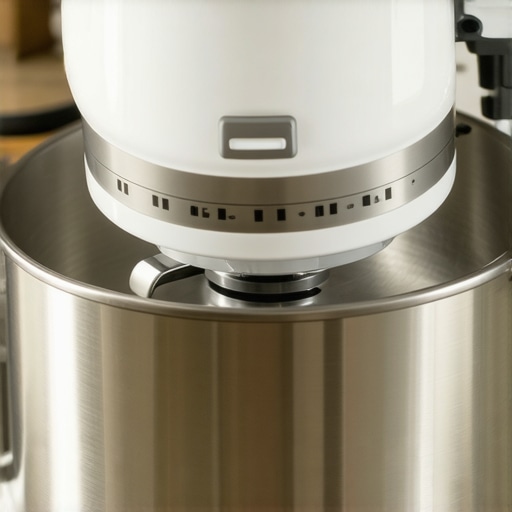
Why Your Stand Mixer Motor Struggles with Cold Butter
Dropping a cold, dense block of butter into a mixing bowl is a mechanical assault. It is not just about a slower bake; it is an engineering hazard for your luxury kitchen hardware. After fifteen years of diagnosing burnt-out motors and stripped planetary gears, I can tell you that most owners treat their high-end stand mixers like industrial grinders. They are not. When you force a whisk or a paddle through fat at 35°F, you are demanding peak torque from a motor designed for fluid aeration or dough development. The result? Avoidable failure. This is why your premium appliance sounds like it is dying when you try to cream butter straight from the fridge.
The Physics of Resistance and Torque
Butter at refrigerator temperature behaves more like a solid polymer than a culinary ingredient. Its crystalline structure is rigid. When the beater hits this mass, the motor encounters a spike in resistance known as locked-rotor amperage. In electrical engineering, this is the point where the rotor stops turning despite the power being applied, causing a massive surge in heat within the copper windings. If you do not believe me, wait until the real reason your stand mixer smells like burning plastic becomes a reality in your own kitchen. According to the Association of Home Appliance Manufacturers (AHAM), consistent overloading is the primary cause of early motor fatigue in residential appliances. High-torque motors in brands like KitchenAid or Hobart utilize worm gears to translate speed into power. Cold butter forces these gears to mesh under extreme lateral pressure, often shaving off the ‘sacrificial’ nylon gears or stressing the metal drivetrain until it fractures.
The Thermal Realities of Small Appliances
The heat generated during these sessions does not just stay in the motor. It migrates. Friction in the gear housing creates a secondary heat source. You might notice the head of your mixer becoming hot to the touch. This is a red flag. Modern luxury mixers often use electronic speed controls to maintain RPM under load, which sounds efficient but actually masks the strain on the hardware. The control board pumps more voltage to keep the speed steady, effectively cooking the internal components from the inside out. Understanding how to keep your stand mixer motor cool during two-hour sessions is vital for anyone doing more than just the occasional batch of cookies. The mechanical stress also impacts the lubrication. High heat thins the food-grade grease, causing it to leak out of the planetary housing and into your food.
Why Your Stand Mixer Motor Struggles with Cold Butter: The Shear Force Problem
Creaming butter is the process of trapping air within a fat matrix. This requires the butter to be plastic—pliable enough to stretch without breaking. Cold butter does not stretch; it shatters or resists. This lack of plasticity means the motor has to work ten times harder to achieve the same ‘loft’ as it would with butter at 65°F. You are essentially asking a precision instrument to act as a sledgehammer. Over time, this constant rattling and vibrating will loosen the internal tolerances. You will start to hear a rhythmic clicking, a sign that your stand mixer gears sound like they are grinding. This is usually the precursor to a total mechanical seize. To avoid this, professionals use the ‘finger-dent’ test: if your finger cannot easily leave an indentation in the butter, it is too cold for your mixer.
Market Shifts and Durable Engineering
We are seeing a shift in the luxury kitchen market toward DC motors. Unlike traditional AC motors, DC motors provide higher torque at lower speeds and generate less heat. However, even these high-end systems have limits. The trend toward ‘heavy-duty’ branding often leads consumers to believe their machines are invincible. They are not. Even if you have invested in a high-torque model, why cheap flour ruins your high-torque stand mixer is a similar lesson in mechanical resistance. The industry is moving toward smarter sensors that will eventually shut the machine down if it detects a ‘cold-fat stall,’ but until those are standard, the responsibility lies with the user. You must manage the viscosity of your ingredients as carefully as you manage the speed setting.
The Executive Verdict
My recommendation is simple: Temper your ingredients or face the repair bill. If you are in a rush, grate the cold butter or use a rolling pin to flatten it between parchment paper to increase surface area and accelerate softening. Never use the ‘Stir’ setting to power through cold chunks; the low RPM lacks the momentum to overcome the initial resistance, leading to the highest electrical strain. Hold yourself to the standard of a professional: prepare the fat, protect the motor, and ensure the longevity of your investment.
FAQ
Can I use the ‘pulse’ feature for cold butter?
No. Pulsing creates repeated spikes in electrical current which is even more damaging to the motor windings than a steady load. Soften the butter first.
How do I know if I have already damaged the gears?
Listen for changes in pitch. If the motor sounds ‘labored’ even when the bowl is empty, or if you see grey grease leaking from the head, the damage is already done.
Is it better to microwave butter to soften it?
Microwaving often creates ‘hot spots’ where the butter melts into oil, ruining the aeration process. Room temperature tempering is the only way to achieve the correct mechanical consistency.