
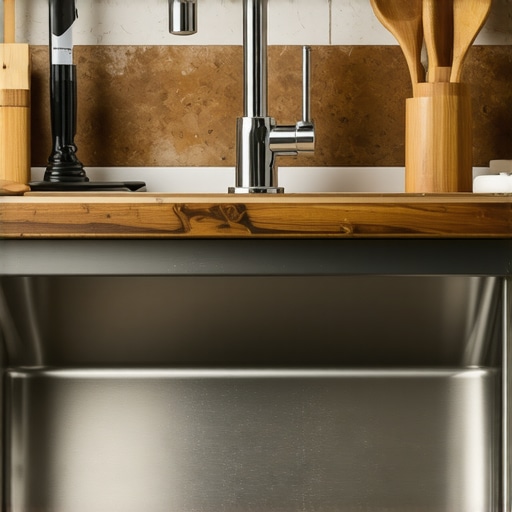
How to Restore the Shine to an Old Stainless Steel Sink
Most luxury kitchen owners mistake a dull surface for permanent damage. It is rarely the case. After fifteen years managing high-end kitchen installations, I have seen thousands of sinks lose their luster due to microscopic scratching and improper chemical passivation. The stake is clear: replacing an integrated under-mount sink costs thousands in labor and potential stone countertop breakage. Restoration is the only logical path. This requires a grasp of metallurgy, not just a trip to the hardware store for a generic spray. Stainless steel relies on a chromium oxide layer. When this layer is compromised by hard water or improper cleaning, the metal looks dead. Restoring it requires a controlled removal of the damaged top layer followed by a re-passivation process.
The Metallurgy of Surface Refraction
Stainless steel is not a coating. It is an alloy. In most premium kitchens, you are dealing with 304-grade steel, which contains roughly 18% chromium and 8% nickel. The shine you see is actually light reflecting off a perfectly flat surface. Over time, micro-scratches from heavy premium cookware create a diffused reflection. The light scatters. To fix this, you must understand the directional grain. Every sink has one. It was established during the cold-rolling process at the mill. You can see it if you look closely. The goal is to level the peaks and valleys of those scratches without crossing the grain lines. If you go against the grain, you create permanent ‘ghosting’ that no amount of buffing can hide. This is why the metal choice that prevents pitting is so vital; the density of the alloy dictates how much material you can safely remove. [IMAGE_PLACEHOLDER] For restoration, we use a wet-sanding approach starting at 400 grit and moving up to 3000 grit for a mirror finish. It is a slow, methodical grind. The result? A surface that looks better than the day it left the showroom.
Chemical Passivation and Hard Water Barriers
Once the metal is mechanically leveled, it is vulnerable. You have exposed ‘fresh’ iron. Without intervention, this iron will react with oxygen and potentially spot. Professionals use a mild citric acid solution to ‘passivate’ the steel. This leaches the iron from the surface and leaves behind a concentrated layer of chromium. This layer then reacts with the air to form the protective oxide shield. This is a similar principle to how the no-stick eggs in a stainless steel skillet technique works—it’s all about managing the surface tension and the state of the metal. If you live in an area with high mineral content, your sink is under constant attack. Calcium and magnesium bind to the chromium oxide. This creates a cloudy film that resists soap. You aren’t cleaning the sink; you are cleaning the rock layer on top of it. Specialized chelating agents are needed here. They grab the minerals and pull them off the metal without etching the steel itself. It is a chemical battle. Failure to passivate after sanding leads to tea-staining, a brown discoloration that looks like rust but is actually surface iron oxidation.
The Engineering Reality of Wear and Tear
Not every sink can be saved. If the pitting has reached a depth of more than 0.5mm, mechanical sanding will thin the basin too much. You risk structural failure or ‘oil-canning’ where the bottom of the sink pops up and down when pressed. I once saw a client try to use a high-speed rotary tool on a thin-gauge sink. The heat friction caused the metal to warp permanently. The smell of scorched steel filled the room. It was a total loss. This is why I advocate for thick-gauge sinks in every build. According to the Specialty Steel Industry of North America (SSINA), maintaining the integrity of the passive layer is the single most effective way to prevent long-term corrosion. You must feel the metal. A healthy sink feels smooth, almost oily, even when dry. A compromised sink feels ‘grabby.’ This tactile feedback is how we judge the progress of the restoration.
Market Shifts and the Future of Kitchen Metals
The industry is moving toward PVD (Physical Vapor Deposition) coatings. These are ceramic-based layers applied in a vacuum. They offer colors like brass or gunmetal on top of stainless steel. While beautiful, they cannot be restored like traditional 304 steel. Once a PVD sink is scratched, the game is over. For the next 12 to 24 months, we expect a resurgence in raw, high-nickel stainless steel because of this exact repairability factor. High-end homeowners are tired of ‘disposable’ luxury. They want materials that can be brought back to life. This mirrors the trend in scratched enameled dutch oven repairs where longevity is becoming a status symbol. If you are choosing a sink today, buy the heaviest gauge you can find. It is an investment in future restoration potential. Regulatory changes in nickel mining may drive prices up, making the restoration of existing sinks even more economically sound than replacement.
The Executive Verdict
If your sink is 16-gauge or thicker and made of 300-series stainless, hold and restore. The ROI is massive compared to the disruption of a kitchen remodel. If you have a 20-gauge ‘builder grade’ sink, sell it to a scrapper and upgrade. The thin walls won’t survive the abrasive process. To start, verify your grain direction. Use a high-quality stainless steel restoration kit that includes at least three levels of abrasives and a finishing compound. Avoid anything containing chlorine or bleach, as these are the primary enemies of chromium. For those with hard water, a monthly treatment with the secret to removing hard water spots is mandatory maintenance. Keep the surface dry when not in use. It sounds extreme, but oxygen needs access to the metal to keep the passive layer alive. Water blocks that access. Clean, dry, and polished is the only way to maintain the engineering specs of your kitchen.
Frequently Asked Questions
Can I use steel wool to scrub my sink? No. Steel wool leaves carbon steel particles embedded in the stainless steel. These will rust, creating the illusion that your sink is rotting. Always use synthetic pads or specialized stainless steel abrasives.
Why does my sink look dull again just days after cleaning? This is likely hard water film. The minerals in your water are bonding to the surface. You need a chelating cleaner or a water softener to prevent the mineral build-up from obscuring the metal’s natural shine.
How do I know which way the grain goes? Use a magnifying glass or a high-resolution phone camera. Look for the fine lines. In most sinks, they run horizontally along the sides and toward the drain on the bottom. Always follow these lines.
Are ‘scratch-resistant’ sinks real? They are usually just brushed more deeply at the factory to hide new scratches. No stainless steel is truly scratch-proof because the metal itself is relatively soft. The key is how well it hides the inevitable wear.