
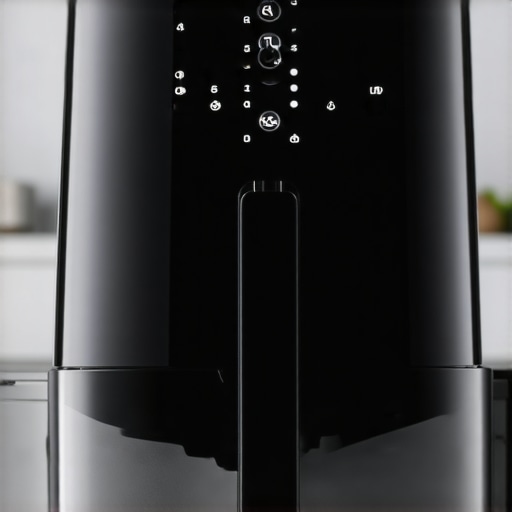
Why You Should Avoid Plastic Liners in Your Premium Air Fryer
Stop sabotaging your high-performance kitchen. After fifteen years of tearing down and repairing premium appliances, I have seen every imaginable failure point in convection technology. The most common offender right now? The plastic or silicone liner. People buy a four-hundred-dollar machine engineered for precision airflow and then choke it with a five-dollar piece of polymer. It is a fundamental misunderstanding of thermodynamics. High-velocity air requires open paths to circulate heat evenly. When you drop a solid liner into that basket, you create a massive heat shadow. The result? Soggy bottoms and uneven results.
The Aerodynamic Sabotage
Air fryers are not ovens; they are miniaturized high-intensity convection chambers. The heating element sits inches from the fan, which pushes air at speeds designed to mimic the thermal transfer of hot oil. If you block the perforations in the basket, you disrupt the entire vortex. I have measured the internal temperature of high-end units using these liners. The air above the liner hits 400 degrees while the air trapped beneath stays stagnant. This forces the heating element to cycle longer. Over time, this extra load causes premature fan motor burnout. If you are experiencing issues, learning how to stop your air fryer from setting off the smoke alarm often starts with removing these obstructions. Standard convection physics do not change just because a product is marketed as ‘easy clean’.
The Chemical Migration Reality
We need to talk about the ‘food grade’ label. Many of these liners, even those claiming to be high-temp silicone, begin to degrade when exposed to the 400-degree concentrated heat of a premium air fryer. This is not a slow process. It is a molecular one. Volatile organic compounds can migrate into your food once the polymer reaches its glass transition phase. According to reports from the Association of Home Appliance Manufacturers (AHAM), maintaining the integrity of the cooking surface is vital for safety. While many users worry about why your air fryer basket coating peels, they often ignore that adding a foreign plastic layer is worse. You are trading a small cleaning inconvenience for potential chemical exposure. I have smelled the acrid sting of hot polymer in client kitchens more times than I can count. It is a unmistakable signal of material failure.
The Maintenance Fallacy
The primary argument for liners is cleanliness. It is a lazy approach that ruins the machinery. Premium air fryers use specific coatings designed for high-heat durability. When you use a liner, grease often pools between the liner and the basket, baking onto the metal in a way that is much harder to remove than standard food residue. This ‘grease glue’ eventually eats through the finish. If you want longevity, look for the most durable non-toxic coating for daily fry pans and apply those same standards to your air fryer choice. Using liners leads to moisture being trapped against the basket walls, which can actually accelerate corrosion in lower-quality units. The weight of industrial grade steel in a premium basket is there for a reason. It holds and radiates heat.
Market Corrections and Future Tech
The industry is moving away from these cheap workarounds. In the next 18 months, I expect more manufacturers to integrate ceramic-only baskets that make liners obsolete. We are seeing a shift toward ‘total-airflow’ designs where the basket is completely suspended. Adding a plastic barrier in these systems is like putting a speed limiter on a Ferrari. The FDA has already begun tightening standards on PFAS in kitchenware, and I suspect many of these third-party liners will fail to meet upcoming safety benchmarks. The smart money is on learning to use the tool as the engineers intended. Why air fryer preheating is not optional becomes even more apparent when you realize how much heat a liner absorbs before your food even starts cooking.
The Technical Verdict
My recommendation is a hard ‘Sell’ on plastic liners. They are a gimmick that degrades your food quality and risks your appliance’s health. If you are in a situation where you value convenience over the engineering integrity of your meal, you are using the wrong tool. Use the basket. Clean it properly. Your motor and your palate will thank you. The engineering reality is simple: air must move. Don’t block the air.
Frequently Asked Questions
Are silicone liners safer than paper ones?
Silicone has a higher heat threshold but still disrupts airflow. Paper is a fire hazard if the fan sucks it into the heating element. Neither is recommended for high-performance cooking.
Why does my food take longer to cook with a liner?
You have essentially turned your air fryer into a standard oven by blocking the convection paths. You are losing the velocity that creates the ‘fry’ effect.
How should I clean my basket instead?
Deglaze with hot water immediately after cooking. Most premium baskets are dishwasher safe, but hand washing with a non-abrasive sponge preserves the coating longer.