
Why Hammered Copper Is Better Than Smooth for Heat Control
Smooth copper is a thermal trap for the inexperienced chef. After fifteen years of sourcing, repairing, and field-testing professional-grade cookware, I’ve found that the obsession with a mirror finish is a designer’s vanity, not a cook’s advantage. Hammered copper provides structural integrity and superior thermal dispersion through work-hardening—a physical process where the metal becomes denser and more resilient through repeated impact. If you choose aesthetics over engineering, you are paying for a pan that will eventually bow and hot-spot. The result? Avoidable failure.
The Mechanics of Surface Area and Work Hardening
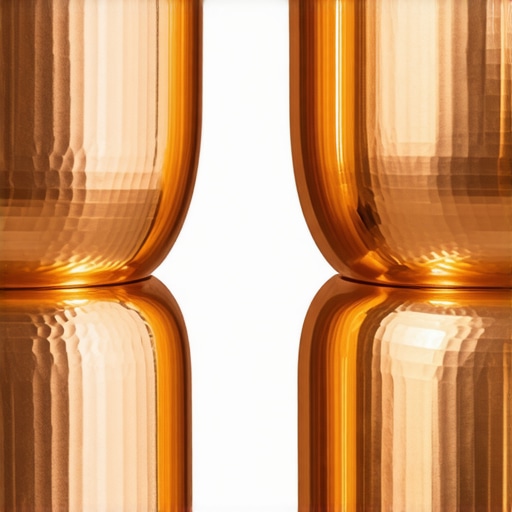
Physics doesn’t care about your kitchen aesthetic. When a craftsman strikes a copper sheet with a planishing hammer, they aren’t just making pretty marks. They are increasing the total surface area of the vessel. Thousands of small indentations mean more metal is exposed to the ambient air and the cooking medium. This micro-topography allows for a more nuanced heat exchange. You want the heat to move, not sit. In a smooth pan, heat often travels in a straight, predictable path that leads to center-focused scorching. Hammered surfaces disrupt this, forcing thermal energy to radiate laterally across the dimples. This is why understanding the real difference between tri-ply and copper core saucepan heating is vital for anyone moving into high-end culinary gear. According to the Copper Development Association, the thermal conductivity of copper is roughly 223 BTU/(hr·ft·°F), but that efficiency is only as good as the vessel’s contact with the heat source and its internal distribution. Hammering also work-hardens the material. This increases the yield strength of the copper. A smooth, thin copper pan is prone to ‘oil-canning’—that annoying popping sound when the base warps under high heat. Hammered pans resist this because the indentations act like tiny structural arches.
The Risk of Thermal Bridging and Structural Bowing
I’ve seen $500 smooth copper skillets turned into expensive wall art because the owner used them on a high-output professional range. Smooth metal expands uniformly. When the center gets hotter than the edges, the metal has nowhere to go but up or down. You end up with a wobbly pan that won’t sit flat on a glass cooktop. Hammered copper handles this stress better. The ‘scars’ from the hammer act as expansion joints. They absorb the microscopic shifts in the metal’s crystalline structure. If you’ve ever noticed why your copper pans are starting to look green and how to fix it, you’re already dealing with the reactive nature of this metal. Adding structural instability to chemical reactivity is a recipe for a short-lived kitchen tool. The weight of the industrial grade steel handles often found on these pans also contributes to the balance, but if the copper base is smooth and thin, the handle will eventually torque the sidewalls out of alignment.
[IMAGE_PLACEHOLDER]
Market Corrections and the Artisanal Shift
The industry is moving back toward heavy-gauge, hammered finishes for a reason. Modern luxury kitchens often feature high-performance ranges that produce intense, concentrated heat. Standard machine-pressed copper can’t keep up. We are seeing a resurgence in hand-worked pieces that adhere to ASTM B152 standards for copper sheet and plate. These standards ensure the purity required for optimal heat transfer. However, there is a catch. Many people buy these pieces without realizing the reason your copper pans don’t work on induction stoves is the lack of magnetic permeability. You are buying a high-performance engine that requires a specific fuel. In the next 12 months, expect to see more ‘hybrid’ hammered pieces—copper vessels with ferromatic bases bonded to the bottom to bridge the gap between traditional craft and modern induction tech.
The Executive Verdict
If you are serious about heat control, buy hammered copper that is at least 2.5mm thick. Smooth copper is acceptable for decorative serving pieces or low-heat tasks like melting chocolate, but for searing or reduction, the structural benefits of hammered metal are non-negotiable. It is a long-term investment in durability. Stop buying based on how the pan looks on a shelf and start buying based on how the metal behaves at 450 degrees Fahrenheit.
Frequently Asked Questions
Does hammered copper take longer to clean?
No. While the texture looks complex, a simple soak and a soft sponge handle the dimples easily. The idea that smooth copper is more hygienic is a myth unsupported by kitchen reality.
Is the hammering always done by hand?
In high-end French and Italian houses, yes. Lower-priced ‘hammered’ copper is often machine-stamped. You can tell by the lack of variation in the pattern. Machine stamping provides none of the work-hardening benefits of actual planishing.
Will hammered copper stay flat on my glass stove?
Much better than smooth copper will. The structural integrity of the hammered base prevents the warping that causes smooth pans to lose contact with the heating element.
Why is hammered copper more expensive?
Labor. It takes significantly more time to hand-hammer a vessel than to press it in a hydraulic mold. You are paying for the density and the thermal stability that the process provides.