
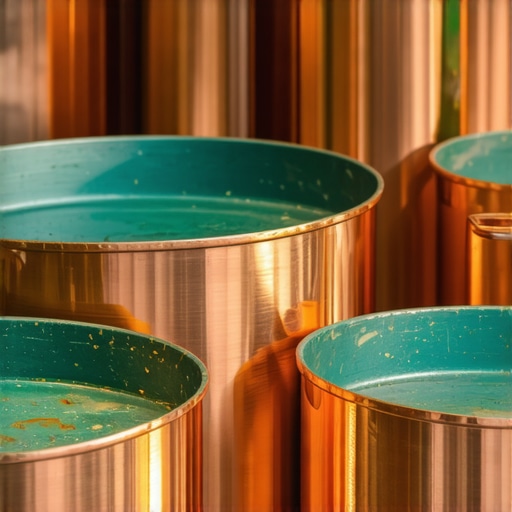
Why Your Copper Pans are Starting to Look Green and How to Fix It
Copper is the gold standard for thermal management in a luxury kitchen. But that greenish patina—technically verdigris—is a warning sign of chemical neglect. I have managed high-end kitchen installations for 15 years. I have seen heirloom sets worth thousands ruined because of simple moisture mismanagement. It is not just an aesthetic flaw. Verdigris is a toxic byproduct of copper reacting with oxygen, moisture, and acids. If you ignore it, you are risking more than just a dull shine; you are risking the safety of your food.
The Chemistry of Corrosion
Copper reacts to its environment with aggressive speed. When exposed to carbon dioxide and moisture, it forms copper carbonate. Add acetic acid from a simple vinaigrette, and you accelerate the decay. This is the Technical Truth most retailers skip: copper is a reactive element. High-performance espresso machines and stand mixers use stainless or chrome because they are inert. Copper demands a different level of respect. The green film is a sign that your pan’s protective barrier—whether it is tin or stainless steel lining—is compromised or the exterior is oxidizing in a high-humidity environment. According to standards set by the International Copper Association, maintaining the integrity of food-contact surfaces is paramount for safety.
The trick to keeping your copper cookware shiny lies in understanding the pH balance on the metal surface. A cost-benefit analysis of copper vs. stainless is simple. Copper gives you instant heat response. The cost? Constant vigilance. If you are not prepared to dry your pans immediately after a wash, you are better off with multi-clad stainless steel. The weight of industrial grade steel handles often masks the fragility of the copper body. When you see green at the rivets, that is deep-seated corrosion.
Structural Risks and Failure Points
The messiest reality of owning premium cookware is the maintenance of the lining. Most vintage or high-end copper is lined with tin. Tin is a soft metal. It melts at 450 degrees Fahrenheit. If you sear a steak and let the pan get too hot, the tin thins. Once the tin is gone, the raw copper reacts with acidic ingredients like tomatoes or wine. This creates a metallic taste and, eventually, more green oxidation. This is the hidden danger of using tin-lined copper for searing. I’ve handled warranty claims where the client blamed the manufacturer, but the culprit was a high-BTU burner and a lack of temperature control. ASTM International standards for kitchen equipment emphasize the importance of thermal limits to prevent material degradation.
Future Trends in High-End Cookware
Looking ahead to the next 24 months, we see a shift toward copper-core stainless steel. It attempts to bridge the gap between performance and ease of use. However, for the purist, nothing replaces solid copper. Regulatory changes regarding PFOAs and permanent chemicals in non-stick coatings are pushing more homeowners toward luxury kitchen upgrades involving traditional metals. The industry is moving back to materials that can be refurbished rather than replaced. A well-maintained copper pan lasts 100 years. An air fryer with a plastic basket lasts three. The market correction is leaning toward durability.
Actionable Restoration Strategy
If your pans are green, stop cooking with them immediately. For the exterior, a paste of lemon juice and salt or a high-quality copper cream will strip the oxidation. But if the green is on the inside, you must inspect the lining. If the lining is scratched or showing raw copper, you need a professional retinning service. It is a specialized trade that is becoming rare. Do not attempt to sand out the green on the interior if the pan is lined. You will only cause more damage. For more on the process, see our guide on how to restore the luster of a dull copper stockpot. The executive verdict? Buy copper for the performance, but hold yourself accountable for the maintenance. If you value speed over ritual, choose high-end 5-ply stainless steel instead.
Frequently Asked Questions
Is the green stuff on my copper pan toxic? Yes, verdigris is considered toxic if ingested. It should never come into contact with food or be allowed to flake into a meal.
Can I put copper pans in the dishwasher? Never. The harsh detergents and high heat will strip the exterior finish and accelerate corrosion instantly, leading to rapid greening.
How often should I polish my copper? Polish it when you see the first signs of dulling or darkening. Don’t wait for the green film to appear as that indicates advanced oxidation.
Why is my copper pan turning green even though I dry it? High humidity in the kitchen or salt residue from the air can cause oxidation. Store them in a dry, ventilated area away from the steam of the stove.