
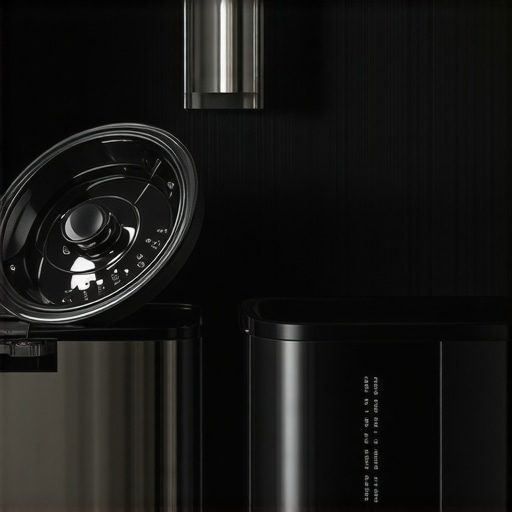
Why We Stopped Buying Glass Air Fryer Lids
Buying a luxury kitchen appliance shouldn’t feel like gambling with physics. After 15 years in the high-end appliance industry, I’ve seen every ‘innovation’ from the rise of induction to the smart-home integration of coffee stations. But the glass lid on an air fryer? That was a design choice that prioritize aesthetics over engineering reality. We’ve officially removed them from our procurement list. The risk to the client isn’t just about the mess; it’s about the fundamental failure of the material under extreme thermal cycling. Most consumers want to see their food cooking. I get it. But the technical debt you pay for that window is too high. If you are investing in a premium air fryer model, you expect it to last a decade, not a dozen dinner cycles.
The Physics of Thermal Stress
Glass is a poor conductor of heat. While that sounds like a benefit for an external lid, it’s a nightmare for structural integrity. Inside an air fryer, temperatures swing from 70°F to 400°F in minutes. The inner surface of the glass expands while the outer surface stays relatively cool. This creates a massive thermal gradient. Even borosilicate glass, which handles heat better than soda-lime, has its limits when subjected to the high-velocity airflow characteristic of these machines. The repetitive expansion and contraction lead to micro-fractures. You won’t see them at first. Then, one Tuesday night, the lid simply gives up. The ‘pop’ of tempered glass failing is a sound no luxury kitchen should ever hear. According to standards from the Association of Home Appliance Manufacturers (AHAM), safety is paramount, yet many overseas manufacturers skip the rigorous stress-testing required for long-term durability.
The Hygiene Reality
Beyond the structural risks, glass lids are a cleaning disaster. High-velocity air carries atomized grease. This grease finds every microscopic pore in the glass and the silicone seals holding it in place. Within three weeks, that crystal-clear view becomes a foggy, yellowish mess. You try to scrub it. You use abrasive cleaners. Now you’ve introduced physical scratches that further weaken the glass. Unlike a solid metal lid with a high-grade non-stick or ceramic coating, you can’t just wipe glass clean once the grease is baked on by the heating element. If you’ve spent time learning how to clean premium hardware, you know that some materials simply don’t belong in high-heat, high-grease zones. The residue buildup isn’t just ugly; it’s a fire hazard when it drips onto the heating coil.
Engineering Failures in the Field
I remember a client in a high-rise downtown. They had a top-tier air fryer with a panoramic glass top. It looked like a piece of art. Three months in, the lid didn’t shatter—it warped the plastic housing around it because the glass held too much heat in the wrong places. The unit started rattling like a freight train. We often see this when people try to fix noisy air fryers; sometimes the noise isn’t the fan, but the structural failure of the lid assembly. Solid lids allow for better insulation and more consistent internal temperatures. Consistency is how you get the best sear on a steak. A glass lid allows too much heat to escape, forcing the element to work overtime and shortening the lifespan of the entire appliance.
The Market Shift Toward Performance
The industry is moving. We see more manufacturers returning to heavy-duty, double-walled metal constructions. These designs mimic industrial convection ovens rather than flashy consumer gadgets. In the next 12 months, expect to see ‘pro-sumer’ models ditching the windows entirely. The focus is shifting to probe accuracy and moisture control. Regulatory bodies like ASTM International are tightening the screws on thermal shock requirements for kitchenware. This means the cheap glass lids currently flooding the market won’t meet the standards of 2026. If you want a tool that performs, you buy the one that looks like a tank, not a fish tank.
The Procurement Verdict
My recommendation is simple: Sell the glass lid models or move them to the secondary kitchen. If you are buying new, look for solid-state lids with high R-value insulation. You lose the visual, but you gain safety, temperature stability, and a machine that won’t require a hazardous material cleanup in your kitchen. If you are a serious home chef, trust your timer and your internal probes, not your eyes through a grease-stained window.
Common Questions Regarding Kitchen Tech
Does glass affect the cooking time? Yes. Glass lids lose heat faster than insulated metal, often extending cook times by 5-10% and leading to uneven browning. Can I replace a glass lid with a metal one? Usually not. The housings are specific to the material. It’s better to replace the unit. Is tempered glass safe if it breaks? It breaks into small, duller pieces, but in a food environment, those pieces are still a total loss for your meal and can damage the internal fan. Why do companies still sell them? Aesthetics sell. A window looks good on a showroom floor, but it’s a liability in a working kitchen.