
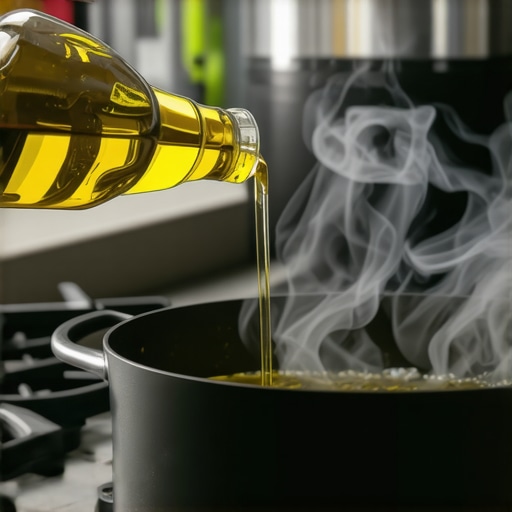
Extra virgin olive oil is a culinary masterpiece when drizzled over a burrata or whisked into a cold vinaigrette. However, pouring it into the high-velocity, high-heat environment of a modern air fryer is a technical error that costs homeowners thousands in prematurely degraded appliances and ruined meals. After fifteen years of designing luxury kitchens and specifying high-performance appliances, I have seen the mechanical aftermath of this mistake too many times. The stakes are simple: use the wrong fat, and you trigger a chemical reaction that bonds an indestructible layer of varnish to your equipment while filling your lungs with acrid aldehydes. The result? Total equipment failure.
Why You Should Never Use Olive Oil for High-Heat Air Frying
The primary issue centers on the smoke point, but focusing solely on that number is a dangerous oversimplification. Extra virgin olive oil (EVOO) has a smoke point that fluctuates between 350°F and 410°F depending on its age and acidity. Most air fryer cycles for crispy proteins or vegetables operate at 400°F. This leaves zero margin for error. When the oil hits that thermal limit, the molecular structure fractures. It isn’t just about the flavor turning bitter; it is about the production of toxic fumes and the physical degradation of the air fryer’s heating element. Most users don’t realize that the fan in an air fryer circulates air at speeds up to 50 miles per hour. This atomizes the breaking-down oil, coating the internal electronics and the fan blades in a sticky, carbonized mess.
The Engineering Reality of Oil Polymerization
When you heat olive oil beyond its stability point, it undergoes polymerization. This is the same process used to season cast iron, but in an air fryer, it happens where you don’t want it. The oil turns into a plastic-like resin. If you have ever wondered why your air fryer basket coating is peeling already, it is rarely a manufacturing defect. Usually, it is a layer of polymerized olive oil that has bonded to the non-stick surface. As that oil layer expands and contracts at different rates than the metal basket, it pulls the coating right off the substrate. This creates a permanent, sticky residue that no amount of soaking can remove. You aren’t just cooking food; you are effectively varnishing your appliance from the inside out.
From a technical perspective, the low oxidative stability of unrefined olive oil makes it a poor choice for the rapid-air technology found in premium brands. Refined oils, such as avocado or light tea seed oil, possess a higher concentration of monounsaturated fats and fewer impurities, allowing them to withstand the thermal agitation of the convection fan without breaking into free radicals. According to reports by the International Olive Council, the high chlorophyll content in EVOO acts as a pro-oxidant under intense light and heat, accelerating the rancidity process within seconds of exposure to the air fryer’s heating coil.
The Operational Risk of Acrid Smoke
Imagine this: you are preparing a high-end meal in your custom-designed kitchen. You toss the vegetables in a premium cold-pressed olive oil, set the air fryer to 400°F, and walk away. Three minutes later, your smoke detector is screaming. This isn’t just a nuisance. The smoke produced by burning olive oil contains acrolein, a potent irritant that can linger in soft furnishings and high-end cabinetry for days. If you find yourself frequently wondering how to stop your air fryer from making your whole house smokey, the culprit is almost certainly your choice of lubricant. The intense air circulation pulls those smoke particles into the hidden recesses of the machine, where they eventually go rancid and smell like burnt plastic during future use.
Technical Purists understand that the “clank” of a heavy-duty air fryer basket should be followed by the smell of roasting food, not the stinging scent of scorched lipids. I recall a client who spent $150,000 on a kitchen renovation only to have their premium integrated air fryer unit malfunction because the internal sensors were coated in a thick, amber film of carbonized olive oil. The repair wasn’t covered by warranty because it fell under improper maintenance. That is a $1,200 lesson in lipid chemistry.
Market Corrections and the Shift Toward Refined Fats
The industry is moving toward higher-spec cooking environments. In the next 12 to 24 months, we expect to see more “smart” appliances that can actually detect the smoke point of the oil used and auto-adjust temperatures. Until then, the responsibility lies with the operator. We are also seeing a regulatory shift regarding non-stick coatings. As PFOA and PFAS are phased out in favor of ceramic-based coatings, the problem of oil polymerization becomes even more acute. Ceramic surfaces are more porous at a microscopic level. Olive oil enters those pores, burns, and effectively destroys the non-stick properties of the ceramic in a single session. This is why I always recommend avoiding oils with high sediment content in any appliance where you cannot easily scrub the heating element. It is also a primary reason why you should never buy an air fryer with a plastic interior, as the plastic absorbs the odors of the burnt olive oil permanently.
The Executive Strategy for High-Heat Cooking
If you are serious about the longevity of your luxury kitchen tools, follow this protocol. First, save your premium extra virgin olive oil for the plate. Use it as a finishing oil after the cooking process is complete. Second, for the actual air frying, switch to refined avocado oil or Ghee. These have smoke points exceeding 480°F, providing a massive safety buffer for even the hottest air fryer settings. Third, invest in a high-quality oil mister rather than pouring oil directly. This ensures a thin, even coat that is less likely to pool and burn on the bottom of the basket. My verdict? Sell the idea that olive oil is a universal fat. It isn’t. It is a specialty ingredient that fails under the engineering stresses of high-speed convection. If you want results that match the price tag of your equipment, match the oil to the physics of the machine.
Frequently Asked Questions
Can I use light olive oil instead of extra virgin? Yes, refined or “light” olive oil has a much higher smoke point (around 465°F) because the impurities and solids have been filtered out. It is safe for air frying, though it lacks the health benefits of EVOO.
Does using olive oil spray make a difference? Only if it is a pure oil spray without propellants. Many commercial sprays contain lecithin or other additives that burn at even lower temperatures than olive oil, causing a sticky gummy buildup on your basket.
What is the best way to clean olive oil residue? If the oil has already polymerized, you will need a specialized degreaser or a paste of baking soda and vinegar. Avoid abrasive metal scrubbers, as these will ruin the underlying non-stick coating of the air fryer.
Will olive oil damage the heating element? Indirectly, yes. As the oil smokes and atomizes, it coats the heating coils. Over time, this layer of carbon acts as an insulator, forcing the element to work harder and eventually causing it to burn out prematurely.