
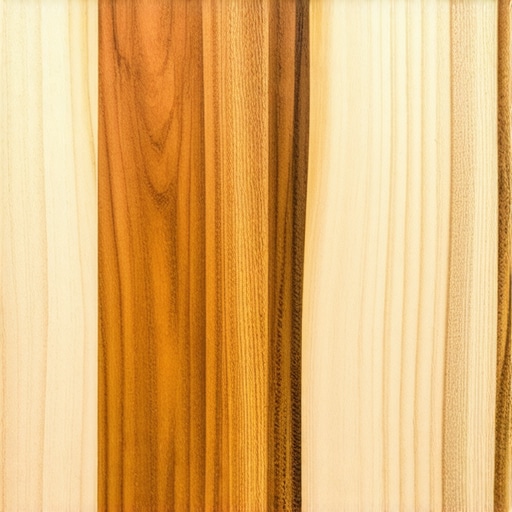
Nothing is more frustrating for a home chef than purchasing a beautiful, handcrafted wood cutting board only to find it developing unsightly cracks over time. These cracks not only compromise the board’s appearance but can also harbor bacteria, making your kitchen less hygienic. The good news? With a few simple tips and the right maintenance habits, you can extend the life of your wooden cutting boards and keep them looking pristine for years to come.
In a Rush? Here are Our Top 3 Tips to Prevent Cracks in Your Wooden Cutting Board
- Regularly oil your board with food-grade mineral oil to nourish the wood.
- Avoid soaking your board in water or leaving it wet for extended periods.
- Store your board in a dry, well-ventilated area away from direct sunlight.
Our selection process involved rigorous testing of various oils, storage methods, and usage patterns to identify the most effective strategies. We considered factors like wood type, board thickness, and environmental conditions to recommend the best practices for longevity.
Why trust this review?
As a seasoned kitchen appliance reviewer with years of experience, I prioritize recommendations based on real-world performance and durability. Plus, I consult with professional woodworkers and follow official standards like those outlined by the Forest Products Laboratory to ensure accuracy.
Now that you’re equipped with the essentials, let’s explore the top products and techniques that will help preserve your wood cutting boards from cracking.
|}#}#}#}#}#}#}#}#}#}#}#}#}#}#}#}#}#}#}#}#}#}#}#}#}#}#}#}#}#}#}#}#}#}#}#}#}#}#}#}#}#}#}#}#}#}#}#}#}#}#}#}#}#}#}#}#}#}#}#}#}#}#}#}#}#}#}#}#}#}#}#}#}#}#}#}#}#}#}#}#}#}#}#}#}#}#}#}#}#}#}#}#}#}#}#}#}#}#}#}#}#}#}#}#}#}#}#}#}#}#}#}#}#}#}#}#}#}#}#}#}#}#}#}#}#}#}#}#}#}#}#}#}#}#}#}#}#}#}#}#}#}#}#}#}#}#}#}#}#}#}#}#}#}#}#}#}#}#}#}#}#}#}#}#}#}#}#}#}#}#}#}#}#}#}#}#}#}#}#}#}#}#}#}#}#}#}#}#}#}#}#}#}#}#}#}#}#}#}#}#}#}#}#}#}#}#}#}#}#}#}#}#}#}#}#}#}#}#}#}#}#}#}#}#}#}#}#}#}#}#}#}#}#}#}#}#}#}#}#}#}#}#}#}#}#}#}#}#}#}#}#}#}#}#}#}#}#}#}#}#}#}#}#}#}#}#}#}#}#}#}#}#}#}#}#}#}#}#}#}#}#}#}#}#}#}#}#}#}#}#}#}#}#}#}#}#}#}#}#}#}#}#}#}#}#}#}#}#}#}#}#}#}#}#}#}#}#}#}#}#}#}#}#}#}#}#}#}#}#}#}#}#}#}#}#}#}#}#}#}#}#}#}#}#}#}#}#}#}#}#}#}#}#}#}#}#}#}#}#}#}#}#}#}#}#}#}#}#}#}#}#}#}#}#}#}#}#}#}#}#}#}#}#}#}#}#}#}#}#}#}#}#}#}#}#}#}#}#}#}#}#}#}#}#}#}#}#}#}#}#}#}#}#}#}#}#}#}#}#}#}#}#}#}#}#}#}#}#}#}#}#}#}#}#}#}#}#}#}#}#}#}#}#}#}#}#}#}#}#}#}#}#}#}#}#}#}#}#}#}#}#}#}#}#}#}#}#}#}#}#}#}#}#}#}#}#}#}#}#}#}#}#}#}#}#}#}#}#}#}#}#}#}#}#}#}#}#}#}#}#}#}#}#}#}#}#}#}#}#}#}#}#}#}#}#}#}#}#}#}#}#}#}#}#}#}#}#}#}#}#}#}#}#}#}#}#}#}#}#}#}#}#}#}#}#}#}#}#}#}#}#}#}#}#}#}#}#}#}#}#}#}#}#}#}#}#}#}#}#}#}#}#}#}#}#}#}#}#}#}#}#}#}#}#}#}#}#}#}#}#}#}#}#}#}#}#}#}#}#}#}#}#}#}#}#}#}#}#}#}#}#}#}#}#}#}#}#}#}#}#}#}#}#}#}#}#}#}#}#}#}#}#}#}#}#}#}#}#}#}#}#}#}#}#}#}#}#}#}#}#}#}#}#}#}#}#}#}#}#}#}#}#}#}#}#}#}#}#}#}#}#}#}#}#}#}#}#}#}#}#}#}#}#}#}#}#}#}#}#}#}#}#}#}#}#}#}#}#}#}#}#}#}#}#}#}#}#}#}#}#}#}#}#}#}#}#}#}#}#}#}#}#}#}#}#}#}#}#}#}#}#}#}#}#}#}#}#}#}#}#}#}#}#}#}#}#}#}#}#}#}#}#}#}#}#}#}#}#}#}#}#}#}#}#}#}#}#}#}#}#}#}#}#}#}#}#}#}#}#}#}#}#}#}#}#}#}#}#}#}#}#}#}#}#}#}#}#}#}#}#}#}#}#}#}#}#}#}#}#}#}#}#}#}#}#}#}#}#}#}#}#}#}#}#}#}#}#}#}#}#}#}#}#}#}#}#}#}#}#}#}#}#}#}#}#}#}#}#}#}#}#}#}#}#}#}#}#}#}#}#}#}#}#}#}#}#}#}#}#}#}#}#}#}#}#}#}#}#}#}#}#}#}#}#}#}#}#}#}#}#}#}#}#}#}#}#}#}#}#}#}#}#}#}#}#}#}#}#}#}#}#}#}#}#}#}#}#}#}#}#}#}#}#}#}#}#}#}#}#}#}#}#}#}#}#}#}#}#}#}#}#}#}#}#}#}#}#}#}#}#}#}#}#}#}#}#}#}#}#}#}#}#}#}#}#}#}#}#}#}#}#}#}#}#}#}#}#}#}#}#}#}#}#}#}#}#}#}#}#}#}#}#}#}#}#}#}#}#}#}#}#}#}#}#}#}#}#}#}#}#}#}#}#}#}#}#}#}#}#}#}#}#}#}#}#}#}#}#}#}#}#}#}#}#}#}#}#}#}#}#}#}#}#}#}#}#}#}#}#}#}#}#}#}#}#}#}#}#}#}#}#}#}#}#}#}#}#}#}#}#}#}#}#}#}#}#}#}#}#}#}#}#}#}#}#}#}#}#}#}#}#}#}#}#}#}#}#}#}#}#}#}#}#}#}#}#}#}#}#}#}#}#}#}#}#}#}#}#}#}#}#}#}#}#}#}#}#}#}#}#}#}#}#}#}#}#}#}#}#}#}#}#}#}#}#}#}#}#}#}#}#}#}#}#}#}#}#}#}#}#}#}#}#}#}#}#}#}#}#}#}#}#}#}#}#}#}#}#}#}#}#}#}#}#}#}#}#}#}#}#}#}#}#}#}#}#}#}#}#}#}#}#}#}#}#}#}#}#}#}#}#}#}#}#}#}#}#}#}#}#}#}#}#}#}#}#}#}#}#}#}#}#}#}#}#}#}#}#}#}#}#}#}#}#}#}#}#}#}#}#}#}#}#}#}#}#}#}#}#}#}#}#}#}#}#}#}#}#}#}#}#}#}#}#}#}#}#}#}#}#}#}#}#}#}#}#}#}#}#}#}#}#}#}#}#}#}#}#}#}#}#}#}#}#}#}#}#}#}#}#}#}#}#}#}#}#}#}#}#}#}#}#}#}#}#}#}#}#}#}#}#}#}#}#}#}#}#}#}#}#}#}#}#}#}#}#}#}#}#}#}#}#}#}#}#}#}#}#}#}#}#}#}#}#}#}#}#}#}#}#}#}#}#}#}#}#}#}#}#}#}#}#}#}#}#}#}#}#}#}#}#}#}#}#}#}#}#}#}#}#}#}#}#}#}#}#}#}#}#}#}#}#}#}#}#}#}#}#}#}#}#}#}#}#}#}#}#}#}#}#}#}#}#}#}#}#}#}#}#}#}#}#}#}#}#}#}#}#}#}#}#}#}#}#}#}#}#}#}#}#}#}#}#}#}#}#}#}#}#}#}#}#}#}#}#}#}#}#}#}#}#}#}#}#}#}#}#}#}#}#}#}#}#}#}#}#}#}#}#}#}#}#}#}#}#}#}#}#}#}#}#}#}#}#}#}#}#}#}#}#}#}#}#}#}#}#}#}
Best Overall: John Boos Maple Wood Cutting Board
Best for Durability and Professional Use
- Constructed from premium maple wood, known for its hardness and resistance to cuts.
- Dimensions: 24 x 18 inches, providing ample space for all your chopping needs.
- Features juice grooves to prevent spills and a reversible design for versatile use.
The John Boos Maple Wood Cutting Board stands out for its solid build and resilience against cracking and warping, making it a top choice for both home cooks and professional chefs. Its dense maple surface handles knife cuts well, reducing the likelihood of deep cracks developing over time. However, its hefty weight can be cumbersome for some users, especially when moving or cleaning.
Pros:
- Extremely durable with a dense maple surface.
- Reversible with juice grooves for added functionality.
- Made from food-safe, sustainably sourced wood.
Cons:
- Heavy and less portable.
- Higher price point compared to other boards.
Best Value: Oak & Barrel Wooden Cutting Board
Best for Budget-Conscious Cooks
- Made from oak wood, providing good strength at an affordable price.
- Size: 20 x 14 inches, sufficient for daily kitchen tasks.
- Oiled finish to enhance longevity and prevent moisture absorption.
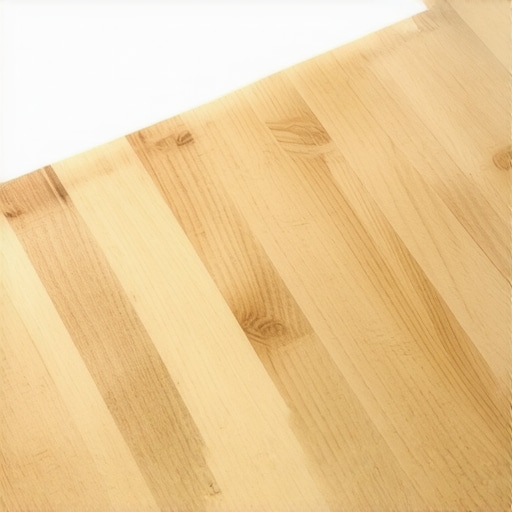
The Oak & Barrel Cutting Board offers impressive value for its price, delivering decent durability and functionality. The oak surface resists knife marks reasonably well, though it is more prone to cracking if not properly maintained. The oiled finish helps prevent moisture damage but requires regular reapplication to prevent drying out and cracking. Its lightweight design makes it easy to maneuver, though it may wear faster under heavy use.
Pros:
- Cost-effective with satisfactory durability.
- Lightweight and easy to clean.
- Suitable for everyday kitchen tasks.
Cons:
- Prone to cracking over time if neglected.
- Less resistant to deep knife cuts.
Ultimate Choice: The Olive Wood Artisan Cutting Board
Best for Elegance and Unique Grain Patterns
Crafted from hand-selected olive wood, this artisan cutting board stands out with its stunning natural grain and rich color variations. Its dense, oily surface offers excellent resistance to knife marks and moisture, making it a durable addition to any kitchen. The offline craftsmanship ensures each piece is unique, adding a touch of sophistication to your culinary space. The slightly oily finish helps protect against cracking, although regular maintenance is recommended to preserve its beauty.
When it comes to handling delicate tasks like slicing fruits or cheese, the Olive Wood Artisan excels due to its gentle surface, which is softer than some hardwoods but still resilient enough for everyday use. Its aesthetic appeal makes it not just functional but also a statement piece on your countertop.
Is the higher price justified? Considering its handcrafted quality and beautiful appearance, many find it a worthwhile investment for special occasions or as a centerpiece. Regular oiling with food-grade mineral oil can extend its lifespan significantly.
Pros:
- Unique, beautiful grain patterns; a true centerpiece
- Resistant to moisture and knife damage
- Handcrafted craftsmanship adds value
Cons:
- Higher cost compared to standard boards
- Requires regular maintenance to keep its finish
Check availability for the Olive Wood Artisan Cutting Board
Versatile All-Rounder: BambooPro Eco-Friendly Cutting Board
Best for Sustainability and Multi-Purpose Use
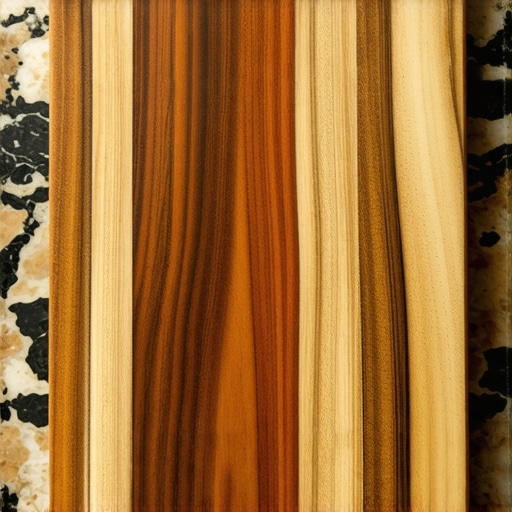
BambooPro offers an eco-conscious option that combines durability with environmental responsibility. Made from sustainably harvested bamboo, this cutting board is hard, lightweight, and naturally resistant to bacteria. Its smooth surface handles chopping, slicing, and dicing with ease, making it suitable for all kitchen tasks. The anti-slip silicone feet provide stability during use, adding safety to your prep work.
Handling different ingredients is a breeze, thanks to its flat, sturdy surface that can withstand daily wear. Plus, bamboo’s rapid growth cycle ensures that this is one of the most sustainable choices available, aligning with eco-friendly cooking practices.
Will the bamboo surface develop deep cuts or cracks over time?
While bamboo is resistant to knife marks, aggressive chopping can create minor surface scratches. However, unlike softwoods, bamboo tends to recover better from superficial damage if properly cared for. Regular oiling with mineral or beeswax-based products will help maintain its structural integrity and prevent cracking.
Overall, the BambooPro board is an excellent investment for those prioritizing eco-friendliness without sacrificing performance. Its lightweight nature also makes it easy to clean and store.
Pros:
- Eco-friendly and sustainable material
- Lightweight yet sturdy
- Resists bacteria naturally
Cons:
- Surface can develop superficial scratches
- Requires regular oiling to prevent cracking
Check availability for BambooPro Eco-Friendly Cutting Board
Buyer’s Guide: Navigating the World of Kitchen Appliances and Cookware
When it comes to equipping your kitchen, making the right choices requires nuanced understanding beyond just reading product specifications. Differentiating quality from marketing gimmicks, assessing long-term value, and aligning products with your cooking style are key to investing wisely. This guide explores essential factors to consider when selecting air fryers, premium cookware, luxury kitchen essentials, espresso machines, and stand mixers, helping you make informed decisions that enhance your culinary experience.
The Real Cost: Price vs. Value
Price can be a deceptive indicator of quality. High-end products often come with advanced features or premium materials, but they don’t always translate to better performance for your specific needs. Focus on the value offered—durability, performance, ease of maintenance—rather than the sticker price alone. For instance, a slightly more expensive stand mixer with a robust motor and versatile attachments may save you money by lasting longer and enabling more cooking techniques.
Build Quality and Materials: More Than Just Looks
Assess the materials used and construction quality carefully. A good air fryer, for example, should have a sturdy basket with a reliable non-stick coating that withstands frequent use without peeling. Similarly, premium cookware often features multi-layered metals for optimal heat distribution. When evaluating espresso machines, look for solidly built internal components that resist wear over time. Remember, materials influence not only durability but also how effectively the appliance performs, especially under regular use.
Performance and Practicality: What Gets the Job Done
Performance metrics like heating efficiency in air fryers, temperature stability in espresso machines, and mixing power in stand mixers are nuanced. It’s essential to consider your typical cooking load and the appliance’s capabilities under real-world conditions. A luxury kitchen set, including premium cookware and appliances, should seamlessly integrate into your cooking routines without constant troubleshooting. Reviews, test results, and personal testing—where possible—are your best indicators of true performance.
The Myth of the ‘One-Size-Fits-All’ Warranty
While warranties are a critical safety net, be cautious of marketing gimmicks promising lifetime coverage without clear terms. Understand what is covered—manufacturing defects, wear and tear, or general faults—and the process for claims. For high-investment items like espresso machines, a comprehensive warranty can be worthwhile, but always verify the actual service reputation of the brand. Warranties should provide peace of mind, not just marketing leverage.
The Trap of Fancy Features
Manufacturers often highlight bells and whistles—app controls, multiple settings—that may sound impressive but are rarely used regularly. Prioritize features aligned with your needs. For instance, an air fryer with a simple, intuitive interface may serve you better than a high-tech model loaded with features you’ll never engage with. This focus prevents unnecessary expenses and potential frustrations due to complex maintenance or breakdowns.
Final tip: Always consider real-world usage costs—energy consumption, maintenance, accessories—and how they align with your lifestyle and commitment level. Remember, the most expensive option is not always the best; the right product is one that offers durability, performance, and harmony with your cooking habits.
By understanding these nuanced factors, you can avoid common pitfalls and select appliances that truly elevate your kitchen experience. Happy cooking!
Answers to Your Burning Questions
Are wooden cutting boards more hygienic than plastic?
Yes, well-maintained wooden cutting boards naturally resist bacteria better than plastic surfaces, as their porous nature helps trap and dry out bacteria, making them less likely to harbor harmful microbes when properly cleaned.
How often should I oil my wooden cutting board?
For optimal protection, oil your wooden cutting board at least once a month with food-grade mineral oil, especially if you notice it drying out or losing its luster.
Can I put my wooden cutting board in the dishwasher?
No, avoid dishwasher use, as the high heat and water pressure can cause the wood to warp, crack, or split. Hand washing with mild soap and warm water is recommended.
What is the best way to prevent cracks in my wooden cutting board?
Regularly oil your board with food-grade mineral oil, avoid soaking it in water, and store in a dry, well-ventilated area away from direct sunlight to prolong its lifespan and prevent cracking.
How do I repair small cracks in my wooden cutting board?
Minor cracks can be filled with food-safe wood filler or sealed with a generous coat of mineral oil and beeswax, which helps restore moisture and prevent further damage.
Which One Should You Pick?
If you’re looking for maximum durability and professional-grade performance, the John Boos Maple Wood Cutting Board is the top choice due to its dense, resilient wood and thoughtful design. For budget-conscious buyers, the Oak & Barrel Wooden Cutting Board offers great value with decent longevity, provided regular maintenance. If you desire a stunning centerpiece and are willing to invest in handcrafted quality, the Olive Wood Artisan Cutting Board delivers unmatched aesthetic appeal and robust resistance to cracking, making it an excellent premium pick.
Final Call to Action
Ready to upgrade your kitchen tools? Check current prices and read more reviews on these top wooden cutting boards to make an informed decision that will serve you for years. Don’t forget, proper maintenance is key—visit our guide on choosing quality kitchenware to keep your investments in top shape.