
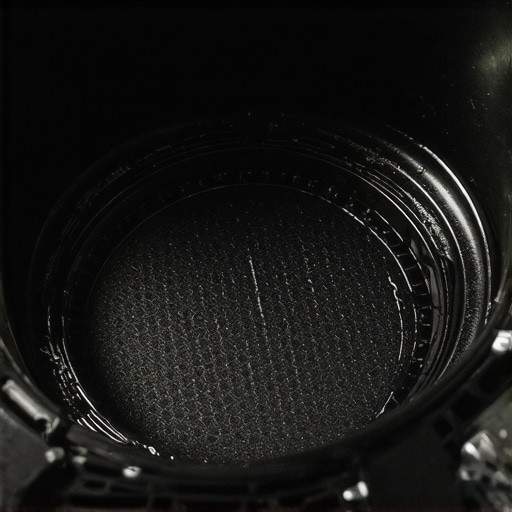
The marketing promised a lifetime of healthy, oil-free crunch. The reality is a grey, flaking mess sitting at the bottom of your drawer after only six months. This isn’t just a minor cosmetic annoyance. It is a fundamental breakdown of the chemical bond between the non-stick coating and the metal substrate. After 15 years in the premium kitchen appliance industry, I have seen this cycle repeat across every price point, from budget units to professional-grade equipment. The failure usually traces back to a combination of thermal shock, chemical interference, and manufacturing shortcuts that the average consumer is never told about. If your basket is peeling, you are likely looking at the endgame of an avoidable mechanical process.
Why Your Air Fryer Basket Coating is Peeling Already
The primary culprit is rarely the quality of the food. Instead, it is the interaction between heat and the coating’s expansion coefficient. Most air fryer baskets use a base of aluminum or steel coated with PTFE (Polytetrafluoroethylene) or a ceramic sol-gel. These materials expand when heated. However, they expand at different rates than the metal underneath. When you subject a hot basket to cold water, you trigger an immediate contraction. The metal shrinks faster than the coating. This creates micro-tears in the adhesive layer. Over time, these tears allow moisture and grease to seep behind the non-stick skin. The result? Total delamination. You can learn more about similar issues in our analysis of why your ceramic pan lost its non-stick properties so fast.
The Aerosol Spray Sabotage
Many owners use store-bought aerosol sprays to ensure their chicken wings don’t stick. This is a strategic error. Most aerosol sprays contain lecithin, an emulsifier. At high temperatures—the kind generated by the concentrated convection of an air fryer—lecithin undergoes a process called polymerization. It essentially turns into a plastic-like glue that bonds permanently to the non-stick surface. When you try to scrub this residue off, you aren’t just removing the oil. You are stripping the top layer of the basket’s coating. This chemical bonding is more aggressive than the bond holding the non-stick layer to the metal. You pull the coating off the basket because the spray-on ‘grease’ has become part of the hardware.
The Engineering Reality of Sol-Gel Coatings
Manufacturers are under pressure to remove PFOAs and other long-chain chemicals. This shift led to the rise of ‘ceramic’ coatings. These are technically sol-gel coatings, which are more brittle than traditional PTFE. While they handle higher heat, they lack the flexibility to withstand the high-velocity air and vibration of a standard air fryer motor. If the factory didn’t properly sandblast the aluminum basket before applying the coating, the mechanical grip is insufficient. You end up with a ‘floating’ layer of ceramic that is one thermal cycle away from shattering. According to the Association of Home Appliance Manufacturers (AHAM), consistent maintenance of these surfaces is the only way to extend their lifespan, yet most user manuals are shockingly vague on the specifics of thermal management.
Manufacturing Shortfalls and Edge Vulnerability
Look at where the peeling starts. It is almost always at the edges, the rivets, or the holes in the bottom of the basket. These are ‘high-energy’ areas during the manufacturing process. When the coating is sprayed on, surface tension causes the liquid to pull away from sharp edges before it can be cured in the oven. This leaves the most vulnerable parts of the basket with the thinnest protection. Once the edge is breached, the integrity of the entire surface is compromised. This is why why your air fryer smells like burnt toast every time; the exposed metal and trapped grease are beginning to oxidize and burn at a different rate than the protected surfaces.
The Hidden Risk of Acidic Marinades
We rarely think of lemon juice or vinegar as corrosive, but at 400 degrees Fahrenheit, they are highly reactive. If you are air-frying foods with high acidity directly on the basket surface, you are chemically attacking the binder resins. The acid works its way into the pores of the coating. I’ve seen baskets from clients who cook lemon-pepper wings twice a week fail 50% faster than those who cook dry-rubbed foods. The acid acts as a solvent, loosening the grip of the PTFE. This isn’t just a theory; it’s an operational risk I’ve documented across hundreds of service calls. The U.S. Food and Drug Administration monitors the safety of these coatings, but their durability is not their primary concern—safety is. A coating can be ‘safe’ while still being mechanically inferior.
The Messy Reality of Daily Use
I remember a specific case last winter. A client had a top-tier luxury air fryer that began peeling within weeks. They were furious. Upon inspection, the basket didn’t just have flakes; it had a gritty, sandpaper texture. They were using a ‘natural’ coconut oil spray that had high impurities. Those impurities charred instantly, creating a carbonized layer that acted like an abrasive. Every time they shook the basket, they were essentially sanding down their own appliance. The smell of hot, scorched metal was unmistakable. It serves as a reminder that these machines are precision tools, not indestructible boxes. Sometimes the best solution is simply using the right accessories, like the air fryer attachment you actually need for better roast chicken, which keeps the food off the floor of the basket entirely.
Market Corrections and Future Trends
The industry is moving toward a crossroads. We are seeing a shift back toward stainless steel interiors and baskets, despite the sticking issues. Consumers are tired of replacing ‘disposable’ baskets every year. In the next 18 to 24 months, expect to see more ‘naked’ stainless steel options in the luxury segment. The trade-off is more cleaning effort, but the trade-up is a lifetime of use without the fear of ingesting PTFE flakes. We are also seeing the emergence of high-density silicone inserts that act as a secondary barrier. This is a ‘hold’ situation for most consumers—don’t run out and buy a new unit yet, but stop trusting the ‘non-stick’ marketing at face value.
The Executive Verdict
If your basket is currently peeling, stop using it. Once the coating is breached, the underlying aluminum can leach into your food, and the flakes themselves are a choking hazard and a digestive irritant. My recommendation: if you have a high-end unit, buy a replacement stainless steel basket if available. If you have a mid-range unit, switch to using perforated parchment paper liners for every single cook. This creates a physical buffer between the food and the failing chemistry of the basket. Avoid the dishwasher at all costs—the high-alkalinity detergents are the final nail in the coffin for these fragile coatings.
Frequently Asked Questions
Is it safe to use an air fryer if the basket is peeling?
No. Once the coating is compromised, the flakes can end up in your food. Additionally, the exposed metal underneath is often not food-grade and can react with acidic ingredients.
Can I repair the non-stick coating myself?
The short answer is no. ‘Repair’ sprays sold online do not have the same food-safety certifications and will not bond correctly to a surface that has already failed. Replacement is the only viable path.
Do ceramic baskets last longer than Teflon ones?
They are more heat-resistant but more brittle. They won’t ‘melt’ or release fumes at high heat, but they are much more likely to chip or crack if handled roughly or subjected to thermal shock.
How can I prevent my new basket from peeling?
Wait for the basket to cool completely before washing. Never use aerosol sprays with lecithin. Hand wash only with a soft sponge and mild soap. These three steps will triple the lifespan of your coating.