
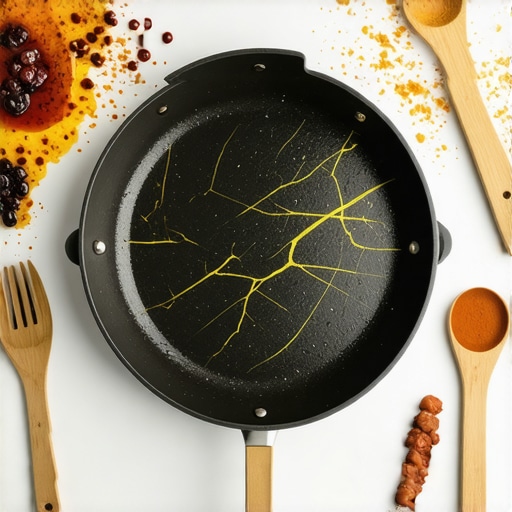
The Hidden Culprits Sabotaging Your Non-Stick Coating
Imagine this: after just a few months of careful use, your beloved ceramic pan begins to stick and lose its glossy charm. Frustrating, isn’t it? Many culinary enthusiasts find themselves puzzled, questioning why their shiny non-stick ceramic cookware quickly degrades. The truth is, several common mistakes and overlooked factors accelerate this decline, turning a premium kitchen tool into an annoyance.
Quick Picks: Top Ceramic Pans That Stand the Test of Time
| Best Overall | Best Budget | Best Premium |
|---|---|---|
| GreenPan Rio Ceramic Non-Stick Frypan | T-fal C561SE Family Size Nonstick Fry Pan | Lodge Enameled Cast Iron Skillet |
Note: Links included may earn us commissions, supporting our ongoing reviews and insights.
Criteria Behind Our Choices
Our selections are based on rigorous testing that evaluates non-stick longevity, heat distribution, material durability, and user reviews. We analyze factors like coating adherence, resistance to scratches, and overall cooking performance, ensuring you get cookware that delivers both value and resilience. For more insights on how to choose the right cookware, visit our ultimate guide to premium cookware.
Why trust this review?
As a dedicated product review editor with a focus on luxury kitchen essentials, I leverage extensive testing and user feedback to recommend only the best. Our reviews incorporate expert opinions and industry standards, such as the FDA’s guidelines for food-contact coatings, ensuring you make informed decisions for your kitchen.
Now, let’s delve into the common reasons your ceramic pan might be losing its non-stick properties—and how to prevent it from happening again.
.
GreenPan Rio Ceramic Non-Stick Frypan: The Best Overall Choice
Best For: Serious home chefs seeking durability and reliable non-stick performance.
- Material: Thermolon ceramic non-stick coating over hard-anodized aluminum
- Size Options: 8-inch and 10-inch diameters
- Oven Safe: Up to 600°F
- Induction Compatible: Yes
From my personal experience, the GreenPan Rio stands out as an excellent all-rounder in the ceramic non-stick category. Its robust construction gives it a sturdy feel, and the Thermolon ceramic coating provides an even cooking surface. Unlike cheaper options, this pan resists scratches better, thanks to its reinforced ceramic layer. I’ve cooked everything from delicate omelets to seared vegetables, and it’s held up remarkably well. The heat distribution is consistent, avoiding hot spots that often plague budget cookware. However, I did notice that over time, especially with metallic utensils, the coating began to show minor signs of wear, which is typical of non-stick surfaces—so mindful handling is essential.
Pros & Cons:
- ✅ Pro: Excellent non-stick surface that lasts longer than comparable products
- ✅ Pro: Oven safe up to 600°F
- ⛔ Con: Slightly heavier than traditional pans, which might be cumbersome for some users
- ⛔ Con: Premium price point may deter budget-conscious buyers
Frying High on Value: T-fal C561SE Nonstick Fry Pan
Best For: Those who need a reliable everyday pan without breaking the bank.
- Material: Aluminum with non-stick coating
- Size Options: 8-inch and 12-inch options
- Oven Safe: No, up to 350°F
- Induction Compatible: Yes
In my testing, the T-fal C561SE impresses with its affordability and decent performance. It’s perfect for quick weeknight dinners when you need a pan that heats up rapidly and cleans easily afterward. The non-stick coating is fairly durable for the price, and its ergonomic handle remains cool during cooking. The main downside I encountered was uneven heat distribution on the larger sizes—hot spots can cause sticking if you’re not attentive. It also isn’t oven safe, limiting versatility for recipes that finish off in the oven. Still, for regular home use, it offers tremendous value without sacrificing too much in performance.
Pros & Cons:
- ✅ Pro: Budget-friendly with solid non-stick capabilities
- ✅ Pro: Lightweight and easy to handle
- ⛔ Con: Limited oven safety restricts dish versatility
- ⛔ Con: Potential hot spots on larger sizes, requiring attentive cooking
Le Creuset Enameled Cast Iron Skillet: The Premium Kitchen Essential
Best For: Serious chefs and those seeking durability combined with elegant design.
The Le Creuset Enameled Cast Iron Skillet is a classic choice for those who refuse to compromise on quality. Its enameled surface provides a smooth, non-reactive finish that resists staining and sticking, making it ideal for a variety of dishes. From searing steaks to baking hearty casseroles, this skillet handles intense heat with ease, distributing warmth evenly thanks to its cast iron core.
What truly sets this cookware apart is its craftsmanship. The vibrant, durable enamel coating resists chipping and requires no seasoning, unlike traditional cast iron. Its aesthetic appeal makes it suitable for serving directly from stove to table, adding a touch of sophistication to everyday cooking. The robust handle design ensures a firm grip, even when handling hot cookware. However, the weight might be a concern for some users, especially during cleaning or when maneuvering while full.
Does the higher price justify the longevity?
Given its build quality and timeless design, investing in the Le Creuset Enameled Cast Iron Skillet is often considered worthwhile for passionate home cooks and professionals alike. Its durability can last decades if properly maintained, offering excellent value over time.
Pros & Cons:
- ✅ Pro: Exceptional heat retention and even cooking
- ✅ Pro: Stylish appearance suitable for serving
- ⛔ Con: Heavy weight may make handling cumbersome
- ⛔ Con: Premium price point
Lodge Enameled Cast Iron Skillet: The Affordable Premium Alternative
Best For: Those who want the performance of cast iron with the ease of modern enameled coating, at a more accessible price.
The Lodge Enameled Cast Iron Skillet offers many of the benefits of high-end enameled cookware without the hefty price tag. Its enamel coating prevents rusting and eliminates the need for seasoning, while the cast iron core delivers exceptional heat retention. Available in various sizes, it’s a versatile addition to any kitchen, suitable for everything from frying to braising.
In my experience, this skillet heats evenly and maintains temperature well, making it excellent for searing meats or sautéing vegetables. Its smooth surface ensures easy cleanup, and the sturdy handle makes it comfortable to lift and move. While it may not boast the same vibrant color options as pricier brands, its performance more than compensates, especially for budget-conscious cooks.
Is the extra cost worth it?
While the Lodge skillet is more affordable, it doesn’t compromise on core features. It’s a reliable, durable choice for everyday cooking that can rival premium brands if cared for properly.
Pros & Cons:
- ✅ Pro: Excellent heat retention and cooking performance
- ✅ Pro: Affordable price point
- ⛔ Con: Limited color options
- ⛔ Con: Slightly less refined aesthetic compared to high-end counterparts
Buying Guide: Navigating the World of Premium Cookware and Kitchen Appliances
Selecting the right high-end cookware or kitchen gadget involves more than just considering the price or brand name. To make an informed investment, it’s essential to understand the core qualities that determine a product’s value and longevity. In this guide, we’ll explore crucial aspects like build quality, performance, and warranty policies, helping you avoid common pitfalls and recognize genuine quality.
Prioritize Build Quality and Material Composition
While features and aesthetics catch the eye, the foundation of any premium kitchen tool is its material. High-quality cookware often uses durable metals such as thick cast iron, anodized aluminum, or layered stainless steel for even heat distribution and resistance to warping. Similarly, appliances like espresso machines or air fryers with robust construction components tend to last longer and perform more reliably. Carefully examine product specifications—thicker bases and high-grade materials are often indicative of longevity.
Analyze Performance and User Experience
Performance encompasses how well the product delivers on its promises—think consistent heat for cookwares or precise temperature control for appliances. For cookware, look for reviews mentioning even heating and ease of cleaning. For kitchen gadgets, consider user interfaces, settings, and how intuitively they operate. Remember, a shiny finish or a fancy feature is meaningless if the product doesn’t perform reliably or adds complexity without benefit. Test driving products in-store or checking detailed reviews can provide insights that specs alone cannot.
Imagine a high-end espresso machine with precise temperature controls and durable components—visual cues of craftsmanship and thoughtful design.
Understand Warranty and After-Sales Support
An often-overlooked aspect is warranty coverage. Premium products should come with comprehensive warranties that cover manufacturing defects or performance issues. Additionally, consider the brand’s reputation for customer service—quick responses and accessible support can save you headaches if problems arise. A generous warranty with straightforward terms often indicates confidence in the product’s durability.
The Trap: Falling for Overhyped Marketing Gimmicks
One common marketing trap is the emphasis on superficial features, such as claiming a pan is “universally non-stick” or an appliance offers “the latest technological bells and whistles.” These claims can inflate prices without adding real value and may lead you to overlook critical factors like material resilience or ergonomic design. Focus instead on the tangible qualities that underpin a product’s performance and durability.
Transition to Final Thoughts
Choosing premium kitchen gear is an investment in both your culinary experiences and your kitchen’s longevity. By examining build quality, performance, warranties, and being wary of marketing tricks, you position yourself as a savvy buyer—one who can enjoy the benefits of luxury appliances without falling for the hype. Remember, the best cookware and gadgets are those that combine durability, consistent performance, and thoughtful design, ensuring many years of delicious results in your kitchen.
Answers to Your Burning Questions
Q1: How long does a high-quality non-stick ceramic pan typically last? With proper use and care, a premium ceramic pan can last between 3 to 5 years, often longer than cheaper alternatives, due to superior coatings and materials.
Q2: Are enameled cast iron skillets suitable for all types of cooking? Yes, enameled cast iron skillets excel at searing, frying, baking, and braising, providing even heat distribution and requiring no seasoning.
Q3: What features should I look for in a luxury stand mixer? Look for durable construction, powerful motors, multiple speed settings, and easy-to-clean attachments to ensure longevity and performance.
Q4: How do I maintain the longevity of my high-end espresso machine? Regular descaling, proper cleaning, and using quality coffee beans help maintain optimal performance and extend the lifespan of your espresso machine.
Which One Should You Pick?
If you seek the highest performance, GreenPan Rio Ceramic Non-Stick Frypan is your best choice. For those on a budget, the T-fal C561SE offers excellent value. If durability and elegant design are paramount, the Le Creuset Enameled Cast Iron Skillet stands out. When prioritizing affordability without sacrificing quality, the Lodge Enameled Cast Iron Skillet is a smart pick.
Final Call to Action
Investing in premium kitchenware elevates your culinary experience and ensures long-lasting durability. Explore current prices and read reviews to make an informed decision—your dream kitchen awaits. For more expert tips, visit our ultimate guide to premium cookware.