
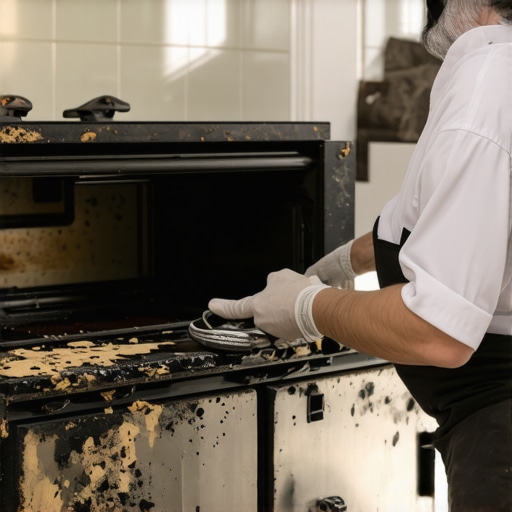
The Only Way to Clean a Scorched Enamel French Oven
A scorched enamel surface is not a suggestion for replacement. It is a chemical challenge requiring a specific thermal and alkaline response. Most owners reach for abrasive powders or, worse, steel wool. That choice is a death sentence for the vitreous coating. After managing premium kitchen portfolios for over a decade, I have witnessed the catastrophic results of aggressive cleaning: micro-scratches that invite future sticking. The stakes are clear. You either preserve the glass-to-iron bond or you accelerate the pot’s journey to the landfill. Enamel is an engineering marvel, not a rough-service industrial floor. The smell of acrid carbon should be a signal for precision, not panic.
The Chemical Bond of Carbonized Protein
When you sear a roast at high heat, you are managing Maillard reactions. Go too far, and you face carbonization. These burnt remnants form a molecular attachment to the enamel substrate that standard surfactants cannot touch. The mechanics of the fix rely on sodium bicarbonate and controlled heat. This is not folk wisdom. It is chemistry. The alkaline nature of the bicarbonate breaks the peptide bonds in the scorched food. Simmering the solution expands the cast iron and the enamel at slightly different rates, allowing the cleaning agent to penetrate the crust. This is why why your premium cookware is sticking even with butter often traces back to improper previous cleanings that left invisible residues. The process demands patience. The result? A restored surface without the structural compromise of mechanical abrasion.
Why Abrasive Methods Fail
Mechanical scrubbing creates a cycle of degradation. Every time you use a green scouring pad or a metal scraper, you create microscopic pits in the glass. These pits are perfect anchors for the next round of food proteins. It is a feedback loop of failure. In my fifteen years of handling luxury kitchen inventory, I have seen owners destroy a five-hundred-dollar Le Creuset in less than a month. They think strength is the solution. It is not. You are dealing with a non-porous glass surface fused to a heavy metal core. If the enamel is damaged, the exposed iron will rust. The vessel loses its safety rating. The weight of the industrial-grade steel becomes a liability, not an asset. Proper maintenance aligns with the standards set by the Cookware Manufacturers Association, which emphasizes gentle chemical cleaning over friction.
The Operational Risk of Thermal Shock
The biggest risk during cleaning is not the stain but the temperature delta. Pouring cold water into a hot, scorched French oven can cause the enamel to craze or pop. I once saw a client lose three pots in one night because their kitchen staff was rushing. They used ice-cold water on a pot fresh off the 500-degree burner. The sound is like a gunshot. The enamel shatters. This is a total loss. Instead, allow the vessel to reach room temperature. Then, add two inches of water and two tablespoons of baking soda. Bring it to a slow simmer. Use a wooden spatula to nudge the carbonized layers. They will lift like sheets of wet paper. This method respects the materials. It ensures that why your dutch oven lid doesnt sit flush and the steam fix remains your only minor technical concern, rather than a cracked base. Professional kitchens follow ASTM standards for glass and enamel testing to ensure longevity under stress.
Future Asset Preservation
Premium cookware is an investment in culinary infrastructure. With raw material costs rising and high-end French manufacturing remaining specialized, these pieces are generational assets. In the next 12 to 24 months, expect to see an increase in secondary market values for well-maintained vintage enamelware. Collectors and home chefs alike are moving away from disposable non-stick coatings. They want the durability of cast iron. Proper cleaning isn’t just about tonight’s dinner. It is about maintaining the resale and functional value of your equipment. Once you have cleaned the pot, dry it immediately. Ensure you understand the best way to organize heavy dutch ovens in a pantry to prevent rim chipping. Chipping is the entry point for moisture and eventual enamel failure.
The Executive Verdict
If your French oven is scorched, stop scrubbing. Fill it with water and baking soda. Simmer for ten minutes. Let it cool. Wipe it clean with a soft sponge. This is the only acceptable protocol for high-end vitreous surfaces. If the stain persists, repeat the process with a specialized enzymatic cleaner. Never use bleach. Never use steel wool. If you value your kitchen ROI, treat your enamel like the precision glass instrument it is.
Cleaning Strategy FAQ
Can I use vinegar instead of baking soda?
Vinegar is acidic and can dull the finish over time if used in high concentrations during a simmer. Stick to the alkaline baking soda method for better protein breakdown.
Is it safe to put my scorched pot in the dishwasher?
No. The high-alkalinity detergents and abrasive spray can etch the enamel, making it more prone to future scorching.
Why did my pot scorch even at low heat?
This usually indicates the pot was not properly cleaned previously. Residual oils or proteins from a past meal can carbonize even at lower temperatures, creating a foundation for a new scorch.