
The Proper Way to Polish a Copper Sink Without Ruining the Patina
A copper sink is a living investment. It breathes. It reacts to its environment. Most homeowners treat high-end copper like they treat stainless steel, and that is a fundamental mistake. After 15 years designing and installing high-stakes kitchen environments, I have seen five-figure custom basins stripped of their soul by a single application of the wrong abrasive. The stake? Permanently altering the molecular surface of a material designed to age gracefully. This is not about cleaning; it is about chemical preservation. You must respect the oxidation layer.
Copper naturally develops a patina to protect itself from corrosion. This thin film of cuprous oxide is what gives the metal its depth and character. When you polish, you are essentially performing micro-surgery on this layer. The technical reality? Most commercial polishes are too aggressive. They use harsh surfactants that ignore the structural integrity of the metal. If you are managing a high-end kitchen with premium cookware or high-torque appliances, you know that maintenance requires a specific touch. The same logic applies here. You want to remove the grime without hitting the reset button on a decade of atmospheric aging.
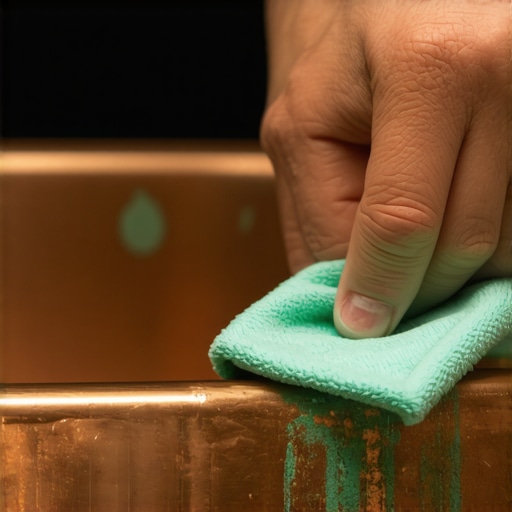
The mechanics of a safe polish involve pH-neutral agents. Forget the lemon and salt hacks. The acid in lemon juice is too volatile, leading to uneven stripping and unsightly spotting. Instead, look toward specialized creams that offer a suspension of fine particles. These act as a buffer. You are looking for a gentle lift of surface contaminants. If you have mastered how to polish copper pots without stripping the protective finish, you understand the necessity of a light hand. The process involves a soft microfiber cloth and circular motions that mimic the way the metal was originally forged. [IMAGE_PLACEHOLDER] Use lukewarm water. Dry it instantly. Water spots are the enemy of a uniform patina.
The Engineering Reality of Surface Degradation
What happens when things go wrong? The result? Avoidable failure. I once walked into a client’s estate where the housekeepers had used a steel wool pad on a hand-hammered Mexican copper sink. The smell of raw, scraped metal was nauseating—a sharp, metallic scent that told me the protective oxide was gone. The weight of that industrial-grade steel had carved microscopic canyons into the copper. Those canyons trap bacteria and moisture. It is the same risk you take when you neglect the proper way to oil your wood countertops in a modern kitchen. Neglect leads to saturation issues.
The risk of over-polishing is a “naked” sink. Raw copper is highly reactive. Within hours of stripping the patina, you will see bright pink patches that look artificial and cheap. It takes months, sometimes years, to regrow a natural, chocolatey brown finish. If you must remove a specific stain—perhaps a ring from a forgotten cast iron pan—spot treat only. Never treat the whole basin for a localized problem. The contrast will eventually blend, but the structural loss of a total strip is permanent. For those managing other high-end finishes, the challenges are similar to maintaining the best way to clean a silky matte black kitchen faucet where one wrong move ruins the aesthetic balance.
Market Corrections and the Shift to Raw Materials
Industry trends for 2025 show a massive shift toward raw, unlacquered finishes. Designers are moving away from the high-gloss, plastic-coated copper common in the early 2000s. Why? Because those coatings eventually peel. When the lacquer fails, the sink looks like it has a skin disease. Local standards in luxury renovations are now prioritizing “living finishes” that comply with ASTM International B370 standards for architectural copper. This means your maintenance routine is now part of the home’s long-term valuation strategy.
Second-order effects of this trend include the rise of specialized wax barriers. Instead of harsh polishes, we are seeing the adoption of microcrystalline waxes. These provide a sacrificial layer. The wax takes the hit from the water and food acids, while the copper remains untouched beneath. It is a strategic move for any homeowner who values durability over temporary shine. In the next 24 months, expect more regulatory pressure on the chemicals used in traditional metal cleaners, making these natural wax methods the only viable path forward.
The Executive Verdict
Buy into the patina. Sell the idea of the “perfect shine.” If your copper sink looks like a new penny, you are doing it wrong. It should look like a historical artifact that happens to hold water. My recommendation: Wash with mild soap daily, and only use a specialized copper cream once every six months if the oxidation becomes uneven. If you are in a situation where the patina is already ruined, do not panic. Stop cleaning it. Let the oxygen do the work. Within three months, the metal will begin to heal itself.
Frequently Asked Questions
Can I use baking soda on my copper sink?
No. Baking soda is too abrasive for long-term care. It creates micro-scratches that dull the natural luster over time. Stick to soft cloths and pH-neutral soaps.
How do I stop green spots from forming?
Green spots, or verdigris, occur when minerals in your water react with the copper. The fix? Dry the sink after every use. No moisture means no reaction.
Should I wax my sink?
Yes. A high-quality carnauba or microcrystalline wax every few months provides a barrier that slows down oxidation without stopping it entirely. It makes the sink easier to clean.