
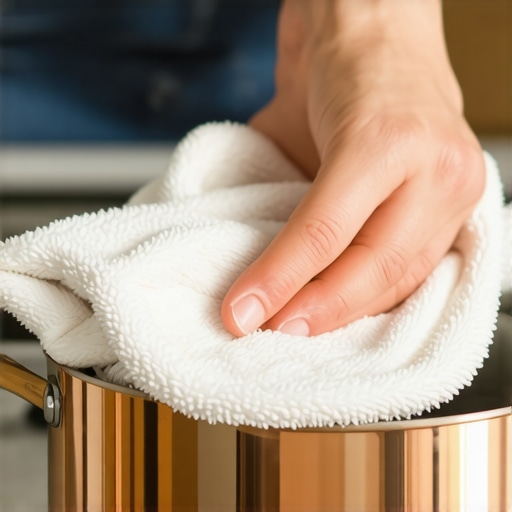
How to Maintain the Luster of Your Brushed Copper Cookware
Copper is a commitment. It represents the pinnacle of thermal management in the kitchen, but it is not a set-it-and-forget-it asset. After fifteen years of outfitting high-end estates and designing luxury kitchens, I have seen enough ruined Mauviel and Falk sets to know that most owners treat these tools like disposable non-stick pans. That is a mistake that costs thousands in lost value and performance. Brushed copper, specifically, offers a sophisticated matte look that hides minor scratches but demands a specific chemical approach to keep its soul. If you ignore the metallurgy, the metal will eventually win.
The Metallurgy of High-End Surfaces
The atomic structure of copper reacts with oxygen the moment it leaves the vacuum of the factory. This creates a thin layer of copper oxide. On a polished surface, this looks like a brown smudge. On brushed copper, it settles into the grain, muting the red-gold hue into a dull, muddy grey. Many people believe a brushed finish is easier to maintain. This is a myth. The microscopic grooves in a brushed finish actually trap lipids and carbonized fats more aggressively than polished surfaces. When you are dealing with 5-ply cladding, the copper is often the outermost layer, meaning it bears the brunt of the heat and environmental exposure.
Thermal conductivity is why you bought it. Copper’s 390 W/m·K conductivity makes stainless steel look like an insulator. However, heat accelerates oxidation. Every time you sear a protein, you are inviting a chemical reaction. The result? A dark, rainbow-colored patina. While some chefs prize this look, maintaining the original luster requires breaking the bond between the oxide and the metal without destroying the brushed texture itself. The weight of the industrial grade steel handles often provides a counterbalance, but the copper is the heart of the operation.
Why Standard Abrasives Fail
The biggest risk to brushed copper is the heavy-handed use of steel wool or aggressive scouring pads. You are not just cleaning; you are reshaping the metal. If you cross the grain with a coarse abrasive, you create permanent scars that catch the light unevenly. I have seen clients try to use the same methods they use for their high-end air fryers or stainless stand mixers on their copper. It doesn’t work. Copper is soft. It is tactile. It reacts to pressure.
Instead of mechanical force, rely on chemistry. According to standards from the International Copper Association, acidic solutions are the most effective way to reverse oxidation without removing excessive base metal. The scent of acetic acid mixing with copper is a sensory anchor for anyone who has spent years in a professional kitchen. It is the smell of maintenance. If you have burnt oil on the outside of your skillet, you need a targeted degreaser before you even think about the copper luster. Oil acts as a sealant, trapping the tarnish underneath it.
The Maintenance Protocol
Start by identifying the grain. Brushed copper has a direction. Always work parallel to these lines. A mixture of lemon juice and fine-grain sea salt creates a gentle, acidic slurry. The salt acts as a mild buffer, while the citric acid dissolves the oxide. Apply it with a soft microfiber cloth. No sponges. No green pads. Just soft, consistent pressure along the grain. For those who prefer a commercial solution, ensure it is specifically rated for brushed finishes. Many copper creams contain waxes that can build up in the grooves, eventually turning the pan into a sticky mess that attracts dust.
Rinsing is the stage where most fail. Residual acid will continue to react with the metal if not neutralized. Use warm water and a pH-neutral dish soap. Drying must be immediate. If you let it air dry, you will get water spots that are harder to remove than the tarnish itself. The goal is a dry, clean surface that can be protected with a very light coating of food-grade mineral oil if the piece is purely decorative, though I advise against this for active cookware as the oil will smoke and polymerize upon the next use.
Market Trends in Premium Metals
We are seeing a shift in the luxury kitchen sector toward induction-compatible copper. Historically, copper was the enemy of induction because it is non-ferrous. Modern manufacturers are now using internal magnetic plates. This changes the heat distribution slightly but maintains the exterior copper look. In the next 12 to 24 months, expect to see more brushed finishes in luxury showrooms as homeowners move away from the high-maintenance mirror polish of the early 2010s. The industry is adjusting to a consumer who wants the performance of a professional kitchen without the sterile look of a laboratory.
According to reports from ASM International, the durability of surface treatments on copper is improving, but nothing replaces manual care. If you are investing in premium cookware, you are also investing in the time required to keep it functional. A neglected copper pan is just a heavy, expensive piece of junk. A well-maintained one is a multi-generational tool.
The Executive Verdict
Buy copper for the performance, keep it for the legacy. If you have the discipline to follow a chemical-first cleaning routine, brushed copper will reward you with the best heat control in the world. If you prefer the convenience of a dishwasher, stick to high-end stainless steel or enameled cast iron. My recommendation? If you are in a high-humidity coastal environment, polish your copper once every two weeks regardless of use. The salt air is a silent killer of luster. For everyone else, a monthly deep-clean is the baseline for excellence.
Frequently Asked Questions
Can I put brushed copper in the dishwasher?
Absolutely not. The harsh detergents and high-heat drying cycles will accelerate oxidation and can cause the lining—whether tin or stainless—to delaminate over time.
What happens if I scrub against the grain?
You will create micro-scratches that catch light at different angles, making the surface look patchy and dull. It is extremely difficult to restore a uniform brushed finish once the grain has been compromised.
Is patina bad for the pan’s performance?
No, patina is purely aesthetic. In fact, many professional chefs prefer the look of a darkened, hard-working pan. However, if you are concerned about the luster of your luxury kitchen, regular maintenance is required to prevent the patina from turning into heavy corrosion.