Why Every Luxury Kitchen Needs a Dedicated Warming Drawer
A luxury kitchen without a dedicated warming drawer is an unfinished engine. After fifteen years designing high-performance culinary environments, I have seen five-figure ranges fail to deliver because the chef lacked a staging area. This is not about keeping a late-night pizza from getting cold. It is about the thermal management of premium cookware and the precise timing of complex multi-course meals. Without a controlled environment to hold proteins or pre-warm plates, you are sabotaging your own results. The mechanical reality? Your oven is too big and too hot for low-temperature stabilization. You need a specialized tool that handles the delicate delta between 80°F and 200°F.
The Thermodynamic Reality of Thermal Mass
Standard ovens struggle with low-end temperature swings. They cycle on and off, creating spikes that dry out delicate sauces or overcook a rested ribeye. A dedicated warming drawer uses low-wattage heating elements and, in high-end models, a small convection fan to maintain absolute stasis. This is where you manage the thermal mass of your premium cookware for 2025. If you plate a hot sear on a cold ceramic dish, the heat transfer is immediate and destructive. The dish saps the energy from the food. The result? A cold meal within three minutes. A warming drawer ensures the plate and the protein share the same energy state. This technical synchronicity is what separates a home cook from a professional execution. It is the same logic used when we discuss the importance of induction cooking for ultra-precise temperature control; precision at the start is useless if you lose it at the finish.
The Engineering Failures of Integrated Solutions
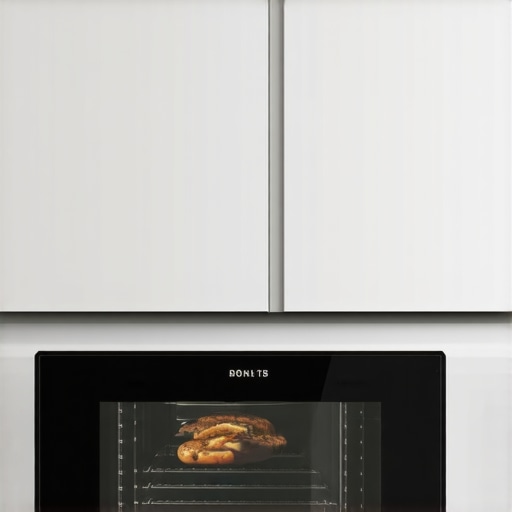
I often see clients try to use the ‘warm’ setting on their primary oven or a glorified toaster oven. This is a mistake. Primary ovens are vented for high-heat moisture escape, which leads to desiccation. Dedicated drawers offer humidity control. They feature a physical vent you can slide shut to keep yeast rolls soft or open to keep fried items crisp. [IMAGE_PLACEHOLDER] The mechanical components in these units are built for long-duration operation. Unlike a microwave, which vibrates the water molecules and ruins textures, the drawer provides radiant warmth. I have inspected countless failed luxury builds where the homeowner skipped the drawer to save six inches of vertical space. They ended up regretting it the first time they hosted a holiday dinner. The stress of timing eight different side dishes disappears when you have a four-cubic-foot buffer zone. It is about operational flow. Even your espresso machines benefit from this; pre-warming heavy porcelain cups in the drawer ensures your shot doesn’t sour upon contact with cold stone or glass.
The ROI of Culinary Staging
Strategic kitchen design is about more than aesthetics; it is about protecting your investment in other appliances. Think about your stand mixers or your air fryers. These tools produce high-quality components of a meal, but they cannot hold them. A warming drawer acts as the conductor for this orchestra. From a real estate perspective, high-end buyers in 2025 look for functional zones. A kitchen that lacks a warming drawer feels amateur to a serious investor. It signals that the renovation was purely cosmetic rather than functional. Furthermore, modern drawers are now being used for specialized tasks like proofing sourdough or slow-dehydrating herbs. The versatility is an engineering win for the small-footprint luxury home.
Implementation Risks and Mechanical Reality
Not all drawers are equal. The cheap ones rattle. I have stood in kitchens where the warming drawer sounded like a freight train because the tracks were made of thin-gauge steel. You want heavy-duty, full-extension ball-bearing glides. If the drawer does not move with a weighted, silent glide, do not install it. There is also the risk of poor ventilation. If your contractor does not understand the BTU output, even at low temperatures, you risk warping the surrounding custom cabinetry. I have seen $50,000 worth of walnut cabinets ruined because a warming drawer was boxed in without proper airflow. It is a technical oversight that no ‘pro’ should make. Always check the manufacturer specifications for clearance; ignore them at your own peril. If you are integrating other high-end tech, remember that built-in espresso machines can be a nightmare to repair if the surrounding appliances, like warming drawers, are not installed with service access in mind.
The Executive Verdict
If you are spending over $100,000 on a kitchen renovation, the warming drawer is a mandatory inclusion. It is the only way to ensure the money you spent on a high-BTU range and professional-grade pans actually translates to the plate. Buy the model with digital temperature readouts and humidity sensors. Avoid the analog dials that offer ‘Low, Medium, High’ settings; they are imprecise and useless for modern culinary standards. If you care about the integrity of your food, you will stop treating warmth as an afterthought and start treating it as a phase of the cooking process itself. Do not forget to protect your surfaces during this install; much like how you need a high-quality tamping mat to protect your counters from your coffee gear, your warming drawer needs a dedicated, heat-shielded cabinet pocket to ensure longevity.
Frequently Asked Questions
Does a warming drawer use a lot of electricity?
No. Most operate on a standard 120V circuit and pull less amperage than a hairdryer. They are designed for long-term, low-energy thermal retention.
Can I use it to slow cook meat?
Some high-end models are rated for low-temperature roasting, but primarily they are for holding. Check the UL listing for ‘slow cooking’ before attempting a 12-hour brisket.
Where is the best place to install it?
Install it near your primary cooking surface or at waist height in a wall oven stack. Avoid floor-level installations; they are ergonomic disasters during a busy service.
Can I put plastic containers in a warming drawer?
Only if they are specifically labeled as heat-safe to 250°F. Generally, you should stick to ceramic, glass, or stainless steel to avoid off-gassing or melting.