Why Air Fryers are Perfect for Reheating Leftovers Without the Sog
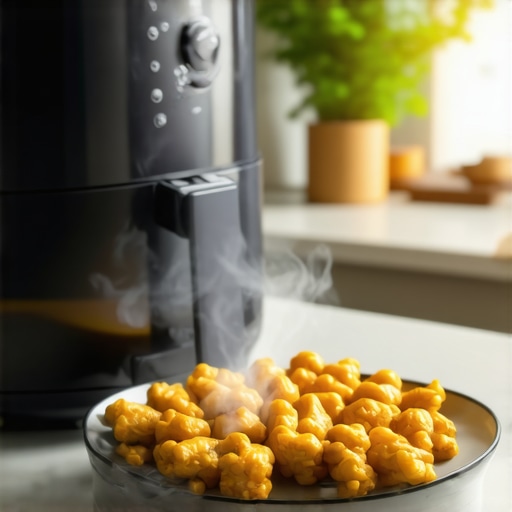
The microwave is an appliance of convenience that consistently fails the quality test. It relies on dielectric heating, vibrating water molecules at high frequencies to generate heat, which inevitably forces moisture from the interior of your food to the surface. The result? A soggy, rubbery mess that ruins expensive leftovers. After fifteen years of designing luxury kitchens and testing high-end thermal equipment, I have seen every reheating method fail except one. The air fryer works differently because it is essentially a high-velocity convection oven that prioritizes the removal of surface moisture. If you are tired of throwing away thirty-dollar steaks or artisanal pizza because they lack that original crunch, you need to understand the mechanics of air circulation.
The Thermal Dynamics of Convection Reheating
The secret lies in the boundary layer of air surrounding your food. In a standard oven, this layer of cool, stagnant air acts as an insulator, slowing down the heating process and allowing the interior to dry out before the exterior crisps. An air fryer utilizes a high-RPM fan to strip away this boundary layer, replacing it with a constant stream of superheated air. This process, known as forced convection, facilitates rapid evaporation. When you place a slice of day-old pizza in the basket, the air fryer immediately attacks the moisture that migrated into the crust overnight. By the time the cheese is bubbling, the crust has regained its structural integrity. For those looking to master this, understanding the fan speed secret to perfectly crispy wings without the oil is a prerequisite. This is not just about heat; it is about the velocity at which that heat is delivered to the food’s surface. High velocity equals rapid crisping. Low velocity leads to the dreaded sog.
Boundary Layers and Moisture Migration
Leftovers suffer from a phenomenon called retrogradation, where starches crystallize and trap moisture in undesirable places. A microwave aggravates this by steaming the food from the inside out. In contrast, the air fryer uses dry heat to reverse starch crystallization while simultaneously venting the released steam out of the machine. The mechanical advantage of a smaller chamber means the air reaches a higher effective temperature faster than a full-sized wall oven. This efficiency preserves the delicate textures of premium ingredients. However, you must be careful with your hardware. If you stop ruining your non-stick air fryer trays with metal utensils, you ensure that the airflow remains unobstructed by flakes of coating or carbon buildup. Surface area is everything in this equation. If the air cannot reach the bottom of the food, the physics of the machine are neutralized. This is why perforated baskets are non-negotiable for anyone serious about culinary quality.
Implementation Risks and The Overcrowding Trap
Even the best engineering cannot overcome human error. The most common failure I see in the field is overcrowding the basket. When you stack leftover fries or wings, you create ‘dead zones’ where air cannot circulate. The steam trapped between the layers of food creates a localized humid environment. The result? Partial crisping and partial sogginess. It is a technical failure caused by ignoring the laws of thermodynamics. I remember a client who complained their five-hundred-dollar air fryer was ‘broken’ because their spring rolls were limp. We found they were packing the basket to the brim. Once they switched to a single layer, the crunch returned. Furthermore, the power draw is a factor many overlook during a luxury remodel. To maintain consistent temperatures and fan speeds, your air fryer needs a dedicated circuit to reach max temp without tripping breakers or suffering from voltage drops.
Strategic Foresight for the Modern Kitchen
We are moving toward a period where ‘smart’ appliances will use sensors to detect moisture levels in real-time. Within the next 24 months, I expect to see high-end air fryers that automatically adjust fan speed based on the humidity of the exhaust air. This will take the guesswork out of reheating delicate seafood or pastry-based dishes. We are also seeing a shift away from cheap, disposable liners. As documented in reports by the National Fire Protection Association, improper use of parchment can lead to restricted airflow and potential fire hazards. Experts are now leaning toward permanent, high-airflow solutions. I highly recommend reading up on the truth about non-toxic air fryer liners and airflow interference before you buy another roll of paper. The goal is to maximize the ‘free area’ of the basket to ensure the air velocity remains high enough to shatter the moisture barrier.
The Executive Verdict
If you value the quality of your food, the microwave should be reserved for liquids only. For everything else, the air fryer is the superior technical solution for reheating. It restores texture, preserves flavor, and operates with an efficiency that wall ovens cannot match. My recommendation is a ‘Buy’ on high-capacity, high-wattage units with stainless steel interiors. Avoid the plastic-heavy models that dominate big-box stores; they lack the thermal mass to maintain temperatures when cold food is introduced. Focus on units that offer adjustable fan speeds and easy-to-clean components. If you are reheating anything with a crust or skin, the air fryer is your only path to success.
FAQ
Q: Can I reheat pizza in an air fryer without burning the toppings?
A: Yes. Lower the temperature to 320°F and check after 3 minutes. The lower temp allows the crust to crisp before the cheese overcooks.
Q: Do I need to preheat the air fryer for leftovers?
A: It is highly recommended. Preheating the basket and the air ensures that the food starts crisping the moment it hits the surface, preventing oil absorption.
Q: Why do my leftovers smell like plastic when I reheat them?
A: This often happens with entry-level models using cheap coatings. High-end units with ceramic or stainless baskets eliminate this off-gassing issue.
Q: Is it safe to put aluminum foil in the air fryer for reheating?
A: It is safe, but it is a strategic error. Foil blocks the airflow that makes the machine effective. Use it only if you want to steam the food, which defeats the purpose of the air fryer.