
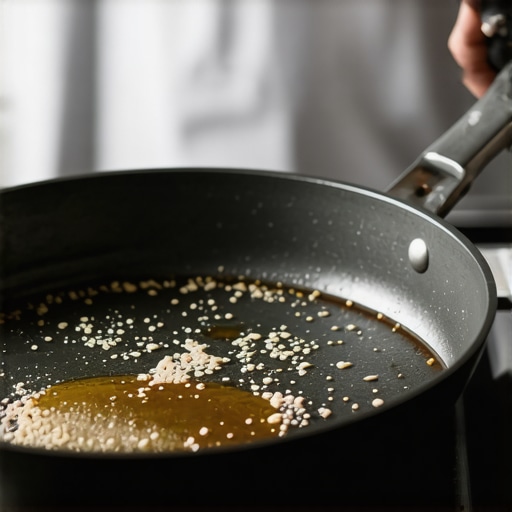
How to Season Carbon Steel Without the Sticky Mess
A gummy, brown residue on a carbon steel skillet is a mark of technical failure. After decades in the luxury kitchen industry, I have seen home cooks treat seasoning like painting a wall—applying thick coats and hoping for the best. The result? A sticky mess that traps carbon and ruins the pan’s surface. True seasoning is not a coating; it is a chemical transformation called polymerization. When fat is heated to its smoke point, it undergoes a molecular change, cross-linking into a hard, plastic-like solid that bonds to the metal. If you leave too much oil on the surface, the heat cannot penetrate the layer evenly. The result is a soft, semi-liquid sludge that never hardens. It’s an avoidable failure. High-end carbon steel is essentially a precision tool, and treating it with sloppy technique is why why pro chefs still use heavy carbon steel skillets while amateurs struggle with sticking eggs.
The Engineering Reality of Polymerization
The science is simple but unforgiving. You need a high-smoke point oil and a heat source capable of reaching specific thresholds. I recommend grapeseed or flaxseed oil for their fatty acid profiles. You apply the oil, then you do something most people find counterintuitive: you try to wipe it all off. You want a layer so thin it’s practically invisible. If you can see the oil, there is too much of it. The thermal mass of the pan must be raised steadily. As the oil reaches its smoke point, the molecules break down and re-bond. This creates the hydrophobic surface necessary for high-heat searing. Understanding the thermal mass secret is vital here; a heavy pan retains the heat required to complete the polymerization process across the entire surface, preventing cold spots where oil remains wet and tacky.
The Sensory Markers of Success
You will know you have done it correctly when the pan stops smoking and the surface shifts from a reflective silver to a matte, straw-colored bronze. There is a specific smell—acrid but clean—that signals the transition. If you smell burnt grease, your heat is too high or your oil choice is poor. Check my guide on the best oil for seasoning carbon steel pans to avoid this. Once that first layer is set, you repeat the process. Three to five micro-layers are superior to one thick layer every single time. It’s the difference between a tempered glass shield and a coat of wet mud. I’ve seen thousand-dollar ranges ruined by the smoke from over-oiled pans. It’s a waste of energy and equipment.
Technical standards from organizations like the Association of Home Appliance Manufacturers (AHAM) often emphasize the importance of proper cookware maintenance for stove-top efficiency. A sticky pan increases friction and decreases heat transfer, forcing your induction or gas burner to work harder for the same sear. If your pan is already gummy, don’t try to cook through it. You must strip it back. Salt and oil scrubs work for minor issues, but a total reset requires an abrasive pad. Just remember: stop using dish soap on your high-end carbon steel woks or pans once that seasoning is established, as the surfactants can strip the very layer you worked to build.
Market Corrections and the Shift from PFAS
The industry is moving. In the next 24 months, we expect tighter regulations on