
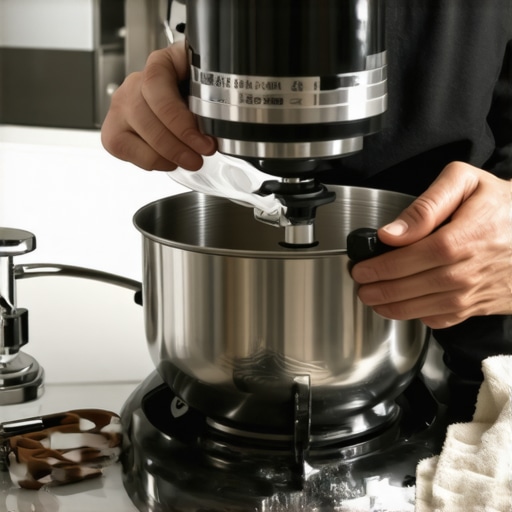
How to Grease Your Mixer Gears Without Calling a Professional Repairman
Modern stand mixers are engineering marvels masquerading as countertop ornaments. If your machine sounds like a gravel pit during a sourdough cycle, you’re already behind the maintenance curve. I’ve spent two decades stripping these units down to their casting. The reality? 90% of gearbox failures stem from thermal degradation of the factory lubricant. Letting your mixer run dry isn’t just a minor oversight; it’s mechanical suicide for the worm gear. Professionals charge $150 for a service that takes forty minutes. You can do it for the cost of a tub of Benalene.
The Engineering Reality
Inside that sleek housing sits a complex arrangement of gears. The motor spins at high RPMs, transferring torque through a worm gear to the planetary assembly. Friction generates heat. Over time, the oil separates from the thickening agents in the grease. This is why your stand mixer smells like burning oil when you’re pushing through a heavy batch. Once that oil leaks out of the gearbox and into your flour, the gears are metal-on-metal. The result? Total shear. You need a lubricant that meets NSF H1 standards for incidental food contact. Using automotive grease is a rookie move that contaminates your kitchen. According to standards set by NSF International, only specific synthetic esters should be used in these environments to ensure safety and performance stability under high thermal loads.
The Mechanical Anatomy of Failure
When you open the transmission case, you’ll likely see a gray or black sludge. That’s not just old grease; it’s microscopic metal shavings. This happens when the planetary action flaw inherent in many consumer-grade models puts uneven pressure on the gear teeth. To fix this, you must remove every trace of the old lubricant. Mineral spirits and a stiff brush are your best friends here. Don’t just slap new grease on top of the old. That’s like putting clean socks on dirty feet. You need to inspect the teeth of the sacrificial gear. This gear is usually made of a softer material—often nylon or brass—designed to break before the motor burns out. If those teeth look hooked or rounded, replace the gear immediately. It’s a five-dollar part that saves a five-hundred-dollar machine.
Why Standard Maintenance Fails
Most home bakers wait for a symptom before acting. By the time you hear the clicking, the damage is done. You should be looking for how to stop your stand mixer from clicking before it happens. I recommend a full grease swap every two to three years for heavy users. The mess is the primary deterrent. Old grease has a pungent, metallic odor that clings to your skin. The weight of the cast-iron housing can be deceptive. One slip and you’ve cracked the finish or pinched a wire. Use a gasket sealant when reassembling. A leak-proof seal is the difference between a clean counter and a grease-stained mess six months down the line. We also see issues where the dough climbs the hook, putting upward pressure on the shaft. Using the one hook attachment that stops bread dough from climbing can significantly reduce the strain on your gear seals.
Market Corrections and Longevity
The industry is shifting. Manufacturers are moving toward sealed-for-life gearboxes that are actually harder to service. They want you to replace, not repair. This planned obsolescence is a plague. By learning to grease your own gears, you’re performing an act of industrial rebellion. High-torque applications, like bagel dough, demand superior shear stability. We look at ASTM International reports on lubricant tackiness to determine which greases stay on the gears rather than flying off to the walls of the housing. If you want your mixer to last thirty years like your grandmother’s did, you have to treat it like the industrial tool it is.
The Executive Verdict
If your mixer is out of warranty and making noise, open it. Buy a 14-ounce tub of food-grade grease and a new gasket. If you are dealing with a machine that has already started