
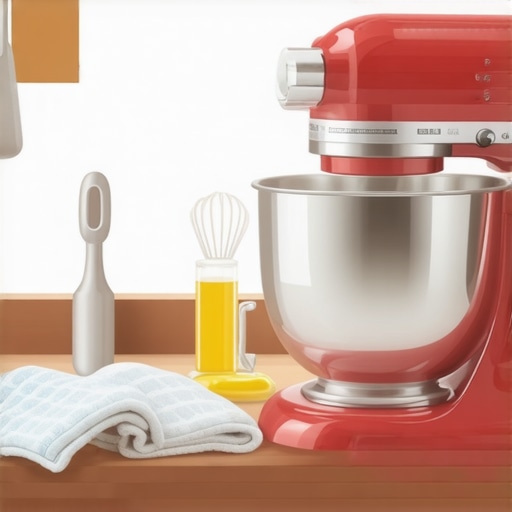
Why Your Stand Mixer Smells Like Burning Oil and How to Lubricate It
The mechanical integrity of your luxury kitchen equipment is not a matter of luck. It is a matter of physics. When you detect that sharp, acrid scent of burning oil wafting from your stand mixer during a heavy batch of sourdough, you are witnessing a thermal event. This is the industrial consequence of high-torque demands meeting degraded lubrication. After 15 years of dismantling and re-engineering high-end appliances, I have learned one hard truth: that smell is the sound of friction winning. Ignore it, and you are not just looking at a repair; you are looking at a total transmission failure. The stakes are high. A seized motor in a premium mixer can cost nearly as much as a new unit, especially when you factor in the precision-machined parts required for a rebuild. The smell is a warning shot. Your gears are starving.
The engineering of a stand mixer relies on a gearbox packed with food-grade grease. Over time, the oil in this grease begins to separate from the thickener—a process known as syneresis. This liquid oil then migrates. It leaks out of the planetary hub or, worse, drips into your cake batter. What remains inside the gearbox is a dry, waxy residue that offers zero protection. When you push your machine to the limit, the gears grind metal-on-metal. This generates immense heat. That heat cooks the remaining oil, producing the characteristic burning smell. This is why you should only buy stand mixers with all-metal gears, as they can withstand these thermal spikes better than nylon alternatives, though they still require maintenance. The physics of torque doesn’t care about your warranty. It only cares about the coefficient of friction.
The Lubrication Protocol
Fixing this requires more than just a surface-level wipe. You must access the internal transmission. For most premium machines, this involves removing the top housing to expose the gear tower. You will see a thick, viscous sludge. If it is black or grey, it is contaminated with metal shavings. That is the smell of a dying machine. You must remove every trace of the old, oxidized grease before applying a fresh coat of NLGI Grade 2 food-grade lubricant. This is a non-negotiable standard set by organizations like the NSF International for any equipment that interacts with food. Use a solvent-free cleaner to strip the gears. The goal? A pristine surface for the new lubricant to bond to. Anything less is just a temporary fix for a permanent problem.
The Engineering Reality
The internal motor type also plays a role in how heat is managed. There is a significant difference between AC and DC motors when it comes to thermal efficiency. DC motors generally run cooler and provide more torque at lower speeds, which preserves the life of the grease. However, even the most efficient motor cannot compensate for dry gears. When you reassemble the unit, ensure the gasket is seated perfectly. A misaligned gasket allows the oil to escape again within months. I have seen countless DIY attempts fail because the technician used the wrong type of grease. Never use automotive grease. The additives are toxic, and the thermal profile is incorrect for the high-RPM environment of a planetary mixer hub. Use only specialized food-grade grease designed for high-pressure applications.
Operational Risks and Failure Points
The messy reality of appliance maintenance is that most people wait too long. By the time you smell the burn, you likely have some degree of gear pitting. I remember a client with a flagship luxury kitchen setup who used her mixer for triple batches of heavy dough daily. She ignored the smell for a month. When I opened the casing, the smell of burnt ozone and rancid oil was overpowering. The worm gear had literally fused to the planetary shaft. The result? Avoidable failure. This is why knowing how to tell if your gears are failing is vital for anyone serious about their culinary tools. You must listen for the ‘clank’ of a loose tooth and feel for the vibration in the head. These are the sensory anchors of a machine in distress.
Market Corrections and Future Trends
The industry is shifting. We are seeing a move toward sealed gearboxes in some mid-tier espresso machines and mixers, but the gold standard remains the serviceable, open-gear architecture found in professional-grade equipment. Over the next 24 months, I expect more manufacturers to integrate thermal sensors that cut power before the grease reaches its smoke point. This is a response to the ‘right to repair’ movement and the increasing consumer demand for longevity over planned obsolescence. While air fryers and stand mixers continue to dominate the luxury market, the savvy consumer is looking for the ‘maintenance-friendly’ label. They want tools that last decades, not seasons. Regulatory changes regarding food-safe lubricants are also tightening, which will likely force more brands to upgrade their factory-standard grease specs.
The Executive Verdict
If your mixer smells like it’s on fire, stop. Immediately. Do not finish the batch. My recommendation is a ‘Full Service’ approach: open the case, degrease, and repack with high-performance food-grade lubricant every three years for home users, or annually for heavy bakers. This is a low-cost insurance policy for a high-cost asset. If you are handy with a screwdriver, this is a Saturday afternoon project. If you aren’t, find a specialist who understands the nuances of planetary gear timing. Your kitchen deserves equipment that performs with precision. Don’t let a $10 tube of grease be the reason your $600 mixer ends up in a landfill.
FAQ
Is the oil leaking from my mixer toxic? No, if the manufacturer used food-grade grease as required by the Association of Home Appliance Manufacturers, it is non-toxic, though it will ruin the flavor of your food.
Can I use WD-40 to lubricate my mixer? Absolutely not. WD-40 is a solvent, not a lubricant. It will strip whatever grease is left and accelerate the destruction of your gears.
How do I know if the motor is actually burnt? If you smell a ‘sweet’ ozone scent rather than a ‘heavy’ oily smell, and you see sparks through the cooling vents, the motor brushes or windings are likely charred.
Does the smell always mean the gears are broken? Not necessarily. It often means the grease is failing, but the metal hasn’t sustained permanent damage yet. Catching it early is the key to a cheap fix.