Ever stood in your kitchen, staring at a bland, uninspired countertop, yearning for that touch of elegance and functionality? I’ve been there. I remember the frustration of investing in high-end appliances that promised luxury but delivered mediocrity. One morning, after a failed attempt at brewing my morning espresso with a subpar machine, I had a lightbulb moment. Why settle for ordinary when my kitchen could be a sanctuary of style and performance?
Why Upgrading to the Right Espresso Machines and Stand Mixers Matters
In today’s world, our kitchens are more than just spaces to cook—they’re the heart of our homes, a reflection of our lifestyle and taste. Choosing top-tier espresso machines and stand mixers isn’t just about aesthetics; it’s about enhancing your culinary experience, saving time, and impressing guests. According to a recent study, nearly 70% of homeowners prioritize kitchen upgrades that combine design and efficiency, making these appliances a smart investment for any luxury kitchen.
Is the hype around luxury kitchen appliances justified?
Early on, I made the mistake of choosing appliances based solely on looks, neglecting functionality. I ended up with a beautiful espresso machine that couldn’t brew a decent shot, and a stand mixer that struggled with heavy doughs. That was a costly lesson. Today, I’ll guide you through how to avoid these pitfalls and find appliances that genuinely elevate your kitchen’s performance and style.
Assess Your Space and Needs
Before diving into specific models, evaluate your kitchen layout and cooking habits. Measure available counter space to ensure your chosen espresso machines and stand mixers fit comfortably without cluttering your workspace. Think about your typical usage—do you need a powerhouse for heavy doughs, or a compact, stylish device for daily coffee? This step prevents costly mistakes and ensures your appliances serve you well over time.
Research High-Performance Features
Espresso Machines
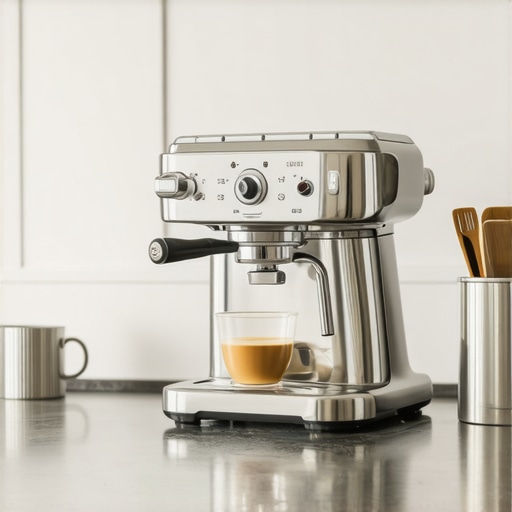
Look for machines with professional-grade boilers, precise temperature control, and customizable brew settings. For example, a machine with a PID controller maintains stable temperatures, resulting in consistently excellent espresso shots. I once bought a sleek-looking model that lacked these features; it heated unevenly, ruining my coffee. Learning to identify these core tech specs saved me from similar pitfalls in the future.
Stand Mixers
Prioritize models with powerful motors (at least 500W), multiple speed options, and sturdy construction. A good stand mixer should handle heavy doughs without overheating or slipping. I remember testing a less robust model, which struggled with bread dough—causing flour to fly everywhere and frustration to rise. Choosing a reputable brand with strong reviews, like top-tier stand mixers, ensures durability and performance.
Set a Budget and Compare Value
High-end appliances often carry a higher price tag, but they also provide better longevity and features. Create a budget based on your financial comfort and compare models within that range. For instance, investing in a premium espresso machine can transform your mornings, while a robust mixer can last for years of daily use. Remember, sometimes paying more upfront saves money long-term by avoiding frequent replacements.
Read Reviews and Seek Expert Advice
Leverage online reviews from trusted sources and customer feedback. Look for comments on durability, ease of cleaning, and performance consistency. I once consulted a barista friend for his opinion on espresso machines; his insights helped me choose a model that now rivals my favorite coffee shop. Similarly, visiting specialty appliance stores and requesting demos can clarify how intuitive and effective the machines are in real-world use.
Test and Evaluate Before Purchase
If possible, test the appliances in-store. Check the weight, grip, and noise levels—these factors affect daily usability. For stand mixers, ensure the attachments fit securely, and for espresso machines, verify water pressure and steam functions. I once ordered a machine online without testing, only to find it difficult to operate. Next time, I visited a showroom, tested several models, and selected one that felt just right in hand and function.
Final Integration and Maintenance
Once purchased, integrate your new appliances seamlessly into your kitchen. Place them at accessible heights and designate dedicated storage if possible. Regular maintenance—like descaling your espresso machine and cleaning the mixer’s attachments—extends lifespan and keeps performance optimal. A well-maintained appliance not only looks luxurious but also performs reliably for years.
Many enthusiasts believe that selecting high-end kitchen appliances like espresso machines and stand mixers is straightforward: pick the most expensive, the most stylish, or the most popular model. However, this approach can lead to costly mistakes and underwhelming performance. Let’s dig deeper into what most people get wrong and how to avoid these pitfalls.
Myth 1: Price Always Equates to Quality
Many assume that a higher price tag guarantees superior performance and durability. While premium appliances often offer better materials and advanced features, the core technology and how you use the appliance matter more. For example, some luxury espresso machines with overly complex controls can overwhelm users, leading to frustration. It’s crucial to understand the key features that impact performance rather than relying solely on price.
Myth 2: Aesthetic Appeal Overrides Functionality
It’s tempting to focus on sleek designs and trendy colors. But a beautiful appliance that doesn’t perform well defeats the purpose of investing in luxury. For example, a visually stunning stand mixer with a weak motor will struggle with heavy doughs, causing frustration and potential damage. Always prioritize functionality aligned with your cooking habits.
Common Oversight: Overlooking Maintenance and Compatibility
Many overlook the importance of maintenance requirements and compatibility with existing kitchen setups. For instance, some espresso machines require regular descaling and specific filters; neglecting these can shorten lifespan and degrade performance. Additionally, ensure your appliances integrate seamlessly with your kitchen’s workflow—consider size, noise levels, and accessory compatibility.
Advanced Question: How Do You Assess True Performance in Luxury Kitchen Appliances?
Evaluating real-world performance involves more than reading specs. Look for independent reviews, ask experts, and if possible, test the appliances in-store. Pay attention to factors like water pressure stability in espresso machines or motor torque in mixers. For instance, a high-quality stand mixer with a robust motor and versatile attachments will handle a variety of tasks efficiently, saving you time and effort over the years. Remember, the goal is to choose appliances that complement your culinary style and withstand regular use, not just impress in photos.
Have you ever fallen into this trap? Let me know in the comments.
Investing in high-end appliances is only part of the equation; maintaining them properly ensures they deliver peak performance for years to come. Regular upkeep is essential, not just for aesthetics but to preserve functionality and extend the lifespan of your espresso machines and stand mixers. Over time, dust, mineral buildup, and wear can diminish efficiency, making routine maintenance a non-negotiable habit.
How do I maintain my luxury kitchen appliances over time?
First, always follow the manufacturer’s guidelines for cleaning and servicing. For espresso machines, descaling is critical—use a descaling solution recommended by the brand every 3-6 months, especially if you have hard water. I personally rely on the Claris Smart Water Filter to reduce mineral deposits and ensure cleaner water for brewing, which significantly prolongs the machine’s lifespan. Moreover, regularly check seals and gaskets for wear and replace them as needed to prevent leaks and maintain optimal pressure.
Stand mixers require different care—clean attachments after each use to prevent residue buildup, and periodically inspect the motor and belt for signs of strain. For heavy-duty baking, I recommend lubricating the gear system with food-safe oil once a year to keep everything running smoothly. Additionally, keeping the motor vents clear of dust ensures proper cooling, which minimizes overheating risks.
Tools I recommend for long-term appliance care
Investing in quality cleaning tools can make maintenance easier. A soft microfiber cloth is perfect for wiping down surfaces without scratching. For internal cleaning, a gentle brush with soft bristles helps dislodge dust from vents and crevices. I also swear by a digital multimeter for checking electrical continuity if you notice inconsistent operation—this simple tool can diagnose wiring issues before they become costly repairs.
Looking ahead, the trend in appliance maintenance is moving toward smart diagnostics. Some high-end espresso machines and stand mixers now incorporate sensors that alert you via smartphone app when maintenance is due or if a component needs replacement. Embracing these innovations can save you time and money, ensuring your appliances remain in top condition without guesswork.
To maximize your appliances’ longevity, I strongly encourage you to incorporate scheduled checkups into your routine—think of it as a health check-up for your kitchen gear. For instance, setting quarterly reminders to descale your espresso machine or inspect your mixer’s belt can prevent minor issues from escalating. Remember, consistent care is the secret weapon in maintaining the luxury kitchen experience you deserve.
Try implementing one advanced tip today: set up a maintenance calendar with alerts aligned to your appliance’s needs. This proactive approach will keep your appliances performing flawlessly and save you from unexpected breakdowns, ensuring your investment continues to impress for years to come.
The Hardest Lesson I Learned About Luxury Kitchen Appliances
One of the toughest lessons was realizing that aesthetics alone won’t elevate your culinary experience. I once bought a stunning espresso machine that looked perfect on my countertop but underperformed every morning. It was a humbling reminder that performance and reliability are just as important as design.
3 Myths About High-End Kitchen Tools That Held Me Back
Believing that all expensive appliances are worth the investment was a mistake. Not every high-priced model offers the features you need. I also used to think that a sleek appearance was enough, but functionality should always come first. Finally, I underestimated the importance of regular maintenance, which can make or break your appliance’s longevity.
What Experts Won’t Tell You About Selecting the Right Equipment
Most professionals emphasize understanding your specific needs over chasing the latest trends. For example, consulting with a kitchen designer helped me see that my space required a compact yet powerful espresso machine and a sturdy stand mixer. Their insights saved me from costly mistakes and turned my kitchen into a true sanctuary of style and efficiency.
I really resonate with this post because I’ve also learned the importance of balancing aesthetics and functionality when choosing high-end kitchen appliances. Initially, I was tempted by sleek designs without considering performance, which led to some frustration. My experience with a visually stunning espresso machine that underperformed was a real eye-opener. Since then, I’ve prioritized features like PID temperature control and ease of cleaning, leading to better results and longer-lasting appliances. What’s been your biggest challenge in maintaining these high-end tools? I’ve found that regular descaling and proper cleaning have made a tremendous difference in preserving their performance. Plus, investing in smart diagnostic tools now seems like a wise move to avoid unexpected breakdowns and ensure longevity. For anyone upgrading their kitchen, what’s your top priority—performance, design, or ease of maintenance? Sharing tips and experiences can help us all make smarter choices and enjoy our kitchen investments to the fullest.
This post really hits home for me, especially the point about balancing performance and aesthetics in high-end kitchen appliances. I once purchased a gorgeous espresso machine that looked stunning on my counter but lacked the core features I needed—like precise temperature control and quick steam release. It was a lesson that form shouldn’t outweigh function when it comes to daily-use tools. My biggest challenge has been upkeep; I used to neglect regular descaling, which led to a decline in coffee quality over time. Now, I make it a habit every few months, and the difference is remarkable. Has anyone here experimented with smart appliances that offer maintenance alerts? I’m considering investing in a model with integrated diagnostics to simplify upkeep. Curious to hear what features others find most useful for prolonging the lifespan of luxury appliances, and how they incorporate maintenance into their routine without fuss. After all, a well-maintained machine not only performs better but also preserves that premium look and feel we all want in our kitchens.
Reading through this post, I couldn’t agree more about the importance of detailed research before purchasing high-end kitchen appliances. I’ve learned the hard way that aesthetics without functional capacity can quickly turn into frustration. Once, I invested in a beautiful espresso machine with all the showy features but lacked the essential temperature stability, which made brewing a decent cup nearly impossible. Since then, I’ve focused on models with advanced thermostatic controls and water pressure regulation. Maintenance, however, remains my biggest ongoing challenge. I’ve found that setting a regular cleaning schedule, especially with descaling, drastically improves longevity and performance. Has anyone tried integrating smart diagnostics into their appliances? I’ve heard they’re game-changers in early problem detection, saving both time and money. It’s intriguing how technology is evolving to not only enhance performance but also simplify upkeep, making the investment into these appliances even more worthwhile. How do other enthusiasts strike the right balance between investment cost and long-term maintenance ease? Would love to hear your tips or experiences.
This post really hits close to home. I’ve found that choosing appliances based solely on their sleek appearance often led me to disappointment when they didn’t perform as promised. It’s such a relief to see a detailed guide emphasizing the importance of functionality, especially in high-end kitchen gear. My biggest challenge has always been proper maintenance — I used to neglect regular descaling and cleaning, which definitely affected both the taste of my espresso and the durability of my stand mixer. Recently, I started using smart diagnostics-enabled appliances, and I can’t tell you how much easier upkeep has become. The alerts notify me when I need to descale or check filters, saving me from sudden breakdowns. I’m curious: for those who’ve incorporated smart features, what’s been your experience? Do they genuinely extend the lifespan of high-quality appliances or just add to the tech clutter? I believe ongoing care is crucial, and I’d love to hear your routines or tips for maintaining these investments in top condition.