
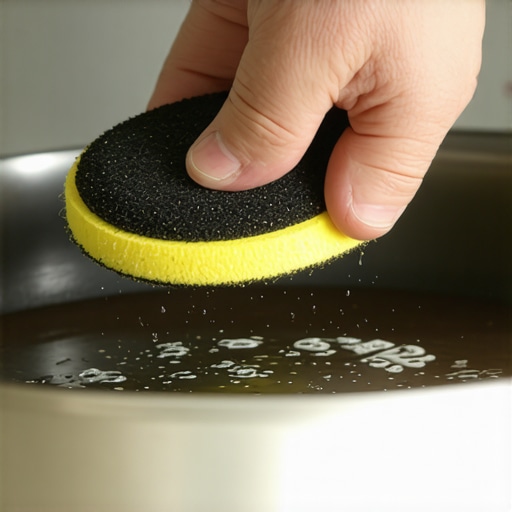
Why You Should Never Use a Metal Scouring Pad on Enamel
Enamel is not just a coating; it is a glass-ceramic material fused to a metal substrate at temperatures exceeding 1,500°F. When you take a stainless steel scouring pad to that surface, you are performing an act of industrial sabotage in your own kitchen. After fifteen years of diagnosing damaged cookware for high-end clients, I have seen hundreds of $400 Dutch ovens rendered useless by a single ‘deep clean.’ This is not a matter of aesthetics. It is a matter of structural integrity and chemical safety.
The Engineering Reality of Glass-to-Metal Bonds
Metal scouring pads are significantly harder on the Mohs scale than the specialized glass used in enameled cookware. While porcelain enamel is prized for its inertness and heat retention, its surface is microscopicly porous. The friction from steel wool creates micro-fissures—shattered peaks in the glass lattice. You might not see them immediately, but you will feel the difference. Once the smooth, non-reactive seal is broken, carbonized proteins and fats wedge into these valleys. The result? Permanent sticking. If you are curious about how other materials compare, why pro chefs are trading heavy cast iron for 5-ply stainless reveals the shift toward surfaces that can handle more aggressive maintenance without total failure.
The Economics of Friction
Replacing an enameled piece every three years because of abrasive damage is a poor ROI. A technical truth most manufacturers hide is that ‘crazing’—the tiny web-like cracks—is often accelerated by mechanical abrasion before thermal shock even enters the equation. Abrasive pads strip the fire-polished finish, leaving the raw, matte glass exposed. This exposed glass is vulnerable to acidic foods like tomato sauce, which further leaches the finish. In contrast, the truth about copper cookware is the maintenance worth the heat control often shows that while copper requires work, it does not suffer from the same ‘point-of-no-return’ surface destruction that ruined enamel does. When the enamel is gone, the pot is a paperweight.
Implementation Risks and the Sensory Cost
I remember a client who insisted on using metal pads to remove stubborn fond. The ‘shriek’ of steel on glass is the first warning sign. Within six months, her white enamel was a dull, stained grey. No amount of soaking could fix it. The sensory anchor of a perfectly smooth, glass-like surface is gone, replaced by the rough, sandpaper-like texture of damaged silica. This isn’t like why your stainless steel pan has rainbow-stains, which are merely mineral deposits that can be wiped away. Scratches in enamel are permanent removals of material. According to the Porcelain Enamel Institute, once the surface roughness exceeds a specific threshold, the ‘easy-clean’ property of the material is mathematically impossible to recover.
Strategic Foresight for the Modern Kitchen
The industry is moving toward higher-density ceramic coatings, but the fundamental physics remain: hard abrasives destroy soft glass. Over the next 24 months, I expect more ‘hybrid’ cookware to hit the market, promising the durability of steel with the non-stick properties of enamel. However, for those owning legacy brands like Le Creuset or Staub, the directive is clear: use chemical intervention over mechanical force. High-pH cleaners or simple baking soda pastes are the only way to maintain the surface. This mirrors the care needed for other high-end materials, much like why non-stick pans fail after six months and how to make them last two years when treated with the wrong tools.
The Executive Verdict
If you value the longevity of your premium cookware, ban metal scouring pads from your kitchen immediately. They are a relic of raw cast iron maintenance, not suited for the refined glass-fusion of enamel. For light stains, use heat and moisture. For heavy carbonization, use an enzyme-based soak. Actionable Strategy: Switch to non-scratch nylon scrubbers or specialized wood scrapers. Your investment will last decades instead of months.
Frequently Asked Questions
Q: Can I use a metal pad if I am very gentle?
A: No. Even light pressure causes microscopic scratches that aggregate over time, leading to a loss of the non-stick surface.
Q: Is it safe to use a Dutch oven once the enamel is scratched?
A: If the scratch reaches the iron, the pot can rust. If the enamel is flaking, stop using it immediately to avoid glass shards in your food.
Q: What is the best way to remove burnt-on food without metal?
A: Fill the pot with water and two tablespoons of baking soda. Bring to a boil, then let it simmer. Most debris will lift without any scrubbing required.