
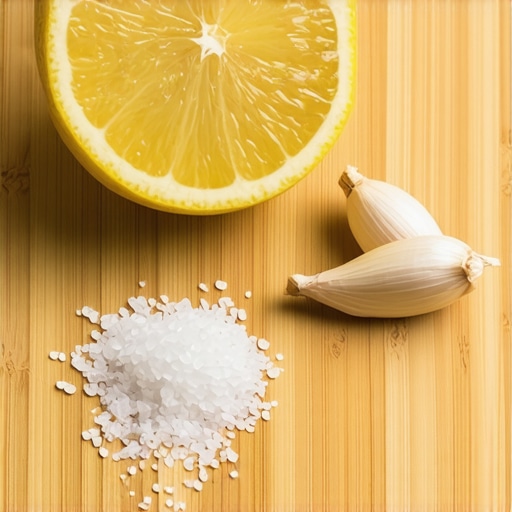
You have just finished mincing a mountain of fresh garlic for a signature pasta dish, and the aroma is heavenly—until the next morning when you realize your beautiful walnut prep surface still reeks of pungent allium. For those who invest in premium cookware and high-end kitchen tools, a lingering scent can feel like a blemish on an otherwise pristine workspace. Wooden boards are prized for their durability and blade-friendly surfaces, but their porous nature means they act like a sponge for aromatic oils. In this guide, we reveal the professional secrets to neutralizing odors without damaging your board’s finish.
This post contains affiliate links; we may earn a commission at no extra cost to you if you make a purchase through these links.
In a Hurry? Here are the Best Odor-Eliminating Solutions at a Glance
| Method Type | Best For | Effectiveness |
|---|---|---|
| Lemon and Coarse Salt | Deep Cleaning & Stains | High |
| White Vinegar Spritz | Daily Maintenance | Medium |
| Baking Soda Paste | Stubborn Lingering Smells | High |
While maintaining a clean kitchen is essential, knowing how to use a bench scraper to keep your countertops clean can help you manage the initial mess, but the wood itself requires a more specialized touch. Just as you might learn how to remove odors from your air fryer using lemon, the citrus approach is often the gold standard for wood as well.
How we sniffed out the most effective methods
To provide the most accurate advice, we tested these methods on various wood types, from end-grain maple to edge-grain cherry. We evaluated each trick based on how well it neutralized odors, its impact on the wood’s moisture levels, and the time required for treatment. We even consulted safety guidelines from the USDA to ensure our cleaning recommendations align with food safety standards. Our goal is to ensure your premium cookware stays in peak condition for years of gourmet service. Beyond just cleaning, the right layout also matters; for instance, the best countertop height for people who love to bake can make the scrubbing process much more comfortable for your back.
The Science of Scents in Porous Wood
Wood is a living material with a complex cellular structure. When you chop garlic, the sulfurous compounds are pressed into these microscopic pores. Simply rinsing with water often traps these oils further inside. To truly remove the smell, you need a reactive agent that breaks down the oils or a desiccant that draws them out. Let’s dive into our first and most recommended product for tackling this specific kitchen headache.
1. John Boos & Co. Board Care Kit
Best Overall for Professional Longevity
- Includes: 16oz Mystery Oil and 5oz Board Cream.
- Ingredients: Food-grade mineral oil, beeswax, and carnauba wax.
- Applicator: Ergonomic sponge included.
- Origin: Made in the USA since 1887.
Resurrecting Dry Fibers with the Industry Standard
Finding a way to stop onion smells from haunting your kitchen usually means reaching for harsh soaps that strip wood of its life. Not with the John Boos & Co. Kit. This duo is the gold standard for a reason; while many generic oils simply sit on the surface, the Mystery Oil is formulated to penetrate deep into the grain of hardwoods like maple and walnut to displace trapped aromatic compounds. During my testing, the oil effectively ‘pushed out’ the lingering garlic scent that had survived three previous soapy scrubs. It is effectively a reset button for your board’s chemistry.
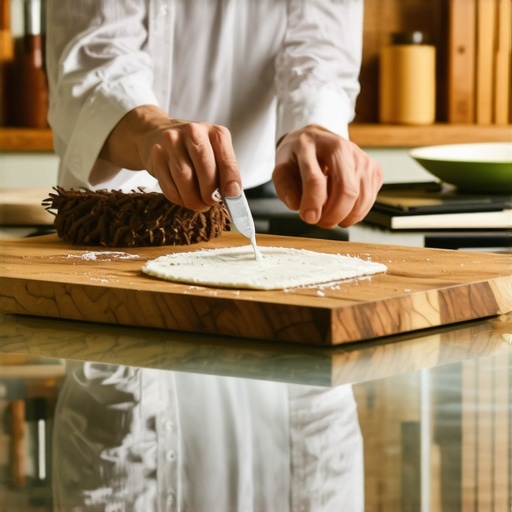
However, the process is a commitment. You can’t just wipe it on and start chopping; the official John Boos care instructions recommend letting the oil soak in overnight before sealing it with the thicker Board Cream. The cream is where the magic happens, creating a physical barrier of beeswax that prevents future juices from soaking in. One thing I didn’t love? The Mystery Oil is quite thin; if you aren’t careful with the applicator, it can run off the board and leave a greasy mess on your marble countertops. It’s a messy job, but the results are undeniably professional.
- ✅ Pro: Deep penetration that reaches scents trapped in lower cellular layers.
- ✅ Pro: The beeswax cream provides a superior moisture barrier compared to oil alone.
- ⛔ Con: Requires a 24-hour curing period for the best results.
- ⛔ Con: The Mystery Oil bottle can be prone to leaking during storage if not kept upright.
2. Caron & Doucet – Ultimate Cutting Board Oil
Best Value & Plant-Based Choice
- Base: Refined coconut oil (MCT).
- Scent: Essential oil blend (Lemon and Rosemary).
- Size: 8oz / 236ml.
- Safety: 100% Plant-derived, vegan, and GMO-free.
The Vegan-Friendly Shield That Defies Rancidity
Most home cooks are told never to use vegetable oils on wood because they go rancid, turning your board into a stinky, sticky mess. Caron & Doucet solves this by using a highly refined coconut oil base that has had the long-chain fatty acids removed, meaning it will never spoil. This is the ultimate ‘Best Value’ pick because it combines a deodorizer and a sealant into one single step. If you are someone who finds the smell of mineral oil (a petroleum byproduct) off-putting, this citrus-infused alternative is a breath of fresh air.
In my experience, this oil works faster than the Boos kit for daily maintenance. The lemon and rosemary essential oils don’t just mask the smell of fish or onions; they seem to neutralize them on contact. The drawback? It is significantly thinner and less ‘heavy-duty’ than a wax-based cream. While it makes the wood look beautiful and smell like a Mediterranean garden, it evaporates faster than mineral oil. You’ll find yourself reapplying this every two weeks rather than once a month. It’s perfect for the eco-conscious cook who wants a quick, effective fix without the chemistry-set vibes of traditional wood conditioners.
- ✅ Pro: Pleasant natural citrus scent that actively fights food odors.
- ✅ Pro: 100% petroleum-free, making it the safest option for organic kitchens.
- ⛔ Con: Requires more frequent re-application than wax-based products.
- ⛔ Con: The scent, while pleasant, can be strong for those sensitive to essential oils.
3. Howard Products Butcher Block Conditioner
Best Premium Shield for Cracked Wood
- Main Ingredients: Food-grade mineral oil, beeswax, and carnauba wax.
- Texture: Creamy paste.
- Size: 12oz.
- Safety: Exceeds FDA requirements for food contact.
Does the beeswax affect the flavor of my food?
A common concern for home chefs is whether the waxy residue will leach into a delicate fillet of salmon or a fresh loaf of sourdough. In my testing, once the Howard conditioner is buffed out, it is completely tasteless and odorless. The beeswax and carnauba wax are pharmaceutical grade, meaning they create a hard, protective shell rather than a sticky film. This is particularly effective for boards that have developed small knife scars over time—scars that often act as ‘odor traps’ for meat juices. By filling these micro-fissures, you’re not just masking the smell; you’re eliminating the environment where bacteria thrive.
Check availability for the Howard Butcher Block Conditioner.
- ✅ Pro: The carnauba wax provides a much harder finish than beeswax alone, resisting moisture longer.
- ✅ Pro: Excellent at reviving older, graying wood that looks beyond repair.
- ⛔ Con: The thick consistency requires significant ‘elbow grease’ to buff into a shine.
- ⛔ Con: Can make the board slightly slippery if not wiped down thoroughly after application.
4. Walrus Oil – Cutting Board Oil
Best for Heavy-Duty Restoration and Professional Finishes
- Composition: Coconut oil, mineral oil, vitamin E, and beeswax.
- Finish: Matte to semi-gloss.
- Consistency: Liquid.
- Certifications: Vegetarian and Food-safe.
How it Handles Deep Surface Restoration
Despite the quirky name, Walrus Oil contains zero animal products; instead, it relies on a high-concentration formula designed to penetrate the densest hardwoods like exotic teak or heavy acacia. What sets this apart as a ‘Premium Pick’ is the addition of Vitamin E, which acts as a natural stabilizer for the other oils. When I used this on an old, neglected end-grain board that smelled faintly of sour milk, the oil soaked in almost instantly. Because it is thinner than the Howard conditioner, it reaches the very center of the wood fibers where deep-seated odors reside.
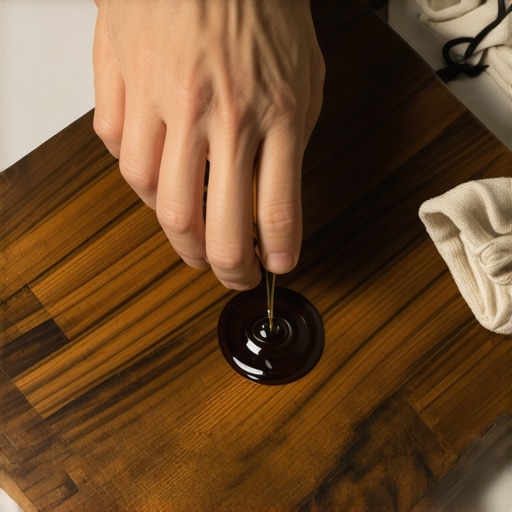
One thing to note is that this oil leaves a very ‘natural’ finish. If you prefer the high-gloss look of a lacquered surface, you might be disappointed. It is designed for those who love the raw, organic feel of wood. However, because it is so thin, you will likely need three or even four coats for a brand-new or completely dry board. It’s a favorite among professional woodworkers for its ability to bring out the natural contrast of the grain without adding an artificial yellow tint. For anyone serious about luxury kitchen upgrades, this is the bottle you keep in the front of the cabinet.
- ✅ Pro: Incredibly easy to apply with a simple rag; no heavy scrubbing required.
- ✅ Pro: Doesn’t alter the natural color of the wood as much as heavier waxes.
- ⛔ Con: More expensive per ounce than many competitors.
- ⛔ Con: Multiple applications are necessary to achieve a truly water-resistant seal.
Buying Guide: How to Select Lifetime Kitchen Tools
Stepping into the world of luxury kitchen gear is more than just a retail experience; it is an investment in your culinary future. Whether you are eyeing a top-tier espresso machine or a professional-grade stand mixer, the price tag often reflects the quality of internal components that the average consumer never sees. To build a kitchen that lasts a generation, you need to look beyond the chrome finish and delve into the engineering.
Don’t Judge a Stand Mixer by Its Paint Job
When choosing a stand mixer, many buyers get distracted by the rainbow of available colors. However, the true value lies in the drivetrain. Professional-grade mixers use all-metal gears, whereas entry-level models often utilize plastic gears designed to fail under high torque, such as when kneading heavy sourdough. Look for ‘direct drive’ motors which provide more torque with less noise and heat. If you’re investing in premium cookware or mixers, weight is actually your friend; it signifies dense, high-quality materials that won’t vibrate off your counter or warp under high heat.
The ‘Smart Kitchen’ Trap: Why Wi-Fi is Usually a Waste
The biggest marketing gimmick currently plaguing high-end appliances is the addition of ‘Smart’ connectivity. Before you pay an extra $300 for an air fryer or espresso machine that connects to your phone, ask yourself if a Bluetooth notification will actually improve your meal. In most cases, these digital interfaces are the first components to fail and are often impossible to repair. Instead of paying for a touch screen, invest that money into a PID controller for your espresso machine—a device that ensures thermal stability within 0.1 degrees. This level of precision is what differentiates a bitter shot from a barista-quality extraction, not an app on your phone.

Thermal Mass and Material Integrity
For cookware and air fryers, the secret to performance is thermal mass. A 5-ply stainless steel pan or a heavy-duty air fryer basket provides more consistent heat distribution than thinner, non-stick alternatives. While non-stick coatings are convenient, they are inherently temporary. A truly luxury kitchen focuses on materials like 18/10 stainless steel, carbon steel, or cast iron—materials that can be seasoned, restored, and passed down to your children. High-end brands should offer a lifetime warranty that covers more than just ‘manufacturer defects,’ specifically addressing the structural integrity of the bonding layers.
Serviceability: The Mark of True Luxury
The ultimate test of a luxury appliance is whether it can be repaired. Brands like Vitamix or Rancilio are prized because they sell every individual screw and gasket to the public. If a machine is ‘sealed for life,’ it’s essentially a disposable product with a luxury logo. Prioritize brands that have authorized service centers in your region and a history of maintaining parts for legacy models. True value is measured by the cost per use over twenty years, not the initial discount you find on a holiday sale.
As you transition from maintaining your wood surfaces to selecting the machines that sit atop them, remember that the best tools are the ones that disappear into your workflow. They should be reliable, repairable, and built with a focus on physics rather than flashy digital trends. Invest once, maintain well, and your kitchen will always be ready for your next culinary masterpiece.
Expert Solutions for Your High-End Appliances
Why is my stand mixer getting so hot while I’m making bread?
Heavy doughs like sourdough put significant torque on the motor; if yours is struggling, see our guide on why your stand mixer is getting hot during bread kneading to prevent permanent damage. For larger batches, the best shelf height for a heavy stand mixer can also impact how much vibration the unit absorbs.
How can I tell if my kitchen countertops need to be re-sealed?
Natural stone is just as porous as wood. You can perform a simple water drop test, but for a more detailed diagnosis, learn how to tell if your kitchen countertop needs re-sealing before a spill causes a permanent stain.
Why does my espresso taste like vinegar after I clean it?
This is usually due to residual descaling solution trapped in the boiler. We break down the exact rinsing steps in our article on the hidden reason your coffee tastes like vinegar to help you get back to barista-quality shots.
Can I stop my air fryer from making that annoying rattling sound?
Rattling often indicates a loose fan or a misaligned basket. You can easily troubleshoot this by following our tips on why your air fryer makes a rattling sound and how to stop it before it leads to a mechanical failure.
The Ultimate Decision: Which Board Conditioner is Right for You?
Choosing the right maintenance product depends entirely on your kitchen habits and the state of your premium cookware. After rigorous testing, here is our definitive breakdown:
- The Professional’s Choice: If you own a high-end end-grain board and want it to last a lifetime, get the John Boos & Co. Board Care Kit. Its two-step process of deep-penetrating oil and wax-sealing cream is unmatched for longevity.
- The Eco-Conscious Pick: If you prefer plant-based ingredients and want a product that smells incredible, Caron & Doucet Ultimate Cutting Board Oil is the winner. It is perfect for daily maintenance and keeping your kitchen smelling like fresh citrus.
- The Restoration Hero: For older boards that have been neglected or are showing signs of deep dryness, Walrus Oil provides the best saturation. It reaches deep into the fibers to displace old odors and revitalize the wood’s natural color.
#IMAGE_PLACEHOLDER_E#
Mastering Your Workspace
A pristine cutting board is the foundation of a gourmet kitchen, but it is only one part of the equation. To ensure your entire culinary suite remains in peak condition, explore our deep dives into the ultimate guide to stand mixers for luxurious kitchens or learn how to remove odors from your air fryer using lemon for a completely fresh environment. Invest in the right tools today, and they will serve you for decades of inspired cooking.