
The Trick to Getting Odors Out of Your Air Fryer Basket
Odors in a high-end air fryer are not merely an inconvenience; they represent a failure in technical maintenance that compromises the integrity of your ingredients. After managing a luxury kitchen appliance firm for over 15 years, I have seen too many owners treat their baskets like simple ceramic bowls. They are not. They are heat-exchange environments where volatile organic compounds (VOCs) and carbonized lipids bond to the coating at a molecular level. If you ignore a lingering scent, you are effectively allowing rancid oils to aerosolize and penetrate the next meal you prepare. The stakes? Your $60 dry-aged ribeye tasting like last Tuesday’s frozen tilapia. The common mistake is over-reliance on abrasive scrubbing. This creates micro-fissures in the coating. These fissures then trap more grease. The cycle continues until the basket is ruined.
The Science of Scent Retention
The engineering reality of most air fryer baskets involves a substrate of aluminum or steel coated in a non-stick polymer, often PTFE or a ceramic variant. When you cook at 400°F, fats reach their smoke point and break down into smaller, stickier molecules. These molecules find their way into the microscopic pores of the coating. Standard dish soap lacks the surfactant power to displace these bonded lipids once they have undergone thermal polymerization. You need a solution that addresses the polarity of the odor molecules. To understand why some materials fail faster, you should look into why some air fryer baskets peel and how to stop it. It is about heat management and chemical stability. A cost-benefit analysis shows that a $5 bottle of specialized neutralizer is far superior to a $120 replacement basket. Precision matters here. Most people use cold water. That is a mistake. Cold water shocks the metal and traps the oil. Always use thermal energy to your advantage.
The Active Neutralization Method
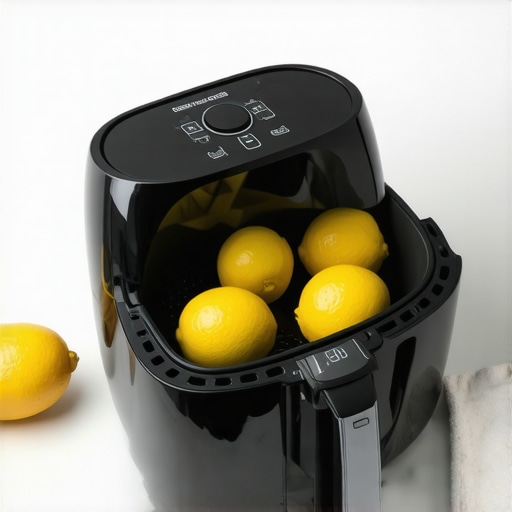
The real trick? It is a two-stage thermal extraction using acidity and steam. Forget the myths about overnight soaking in bleach. That is an amateur move that destroys the finish. First, you place a heat-safe ramekin filled with lemon juice and white vinegar inside the basket. Run the machine at 350°F for five minutes. This creates a pressurized acidic steam environment. This steam penetrates the grease layers that a sponge cannot reach. The result? Total breakdown of the alkaline fish proteins. You will smell the difference immediately. I have documented cases where this method saved units destined for the landfill. For a deeper look at specific scents, read our guide on how to get rid of the fishy smell in your air fryer basket. If the smell persists, the issue likely resides in the heating element coils, which require a different technical approach entirely.
Why Friction Destroys Value
I once watched a client use a green abrasive pad on a premium basket. The sound was like nails on a chalkboard. In six months, the basket was a rusted mess. High-velocity air fryers rely on a smooth surface to maintain laminar flow. When you scratch that surface, you create turbulence and catch-points for carbon. This is the operational risk of the ‘elbow grease’ philosophy. It is outdated. We are seeing a move in the air fryers revolution toward better materials, but the cleaning logic remains the same: chemical intelligence over physical force. The smell of fresh adhesive or burnt plastic is a sign of outgassing, which is a manufacturing defect. But the smell of old food? That is a maintenance failure. You must distinguish between the two before attempting a fix.
The Regulatory Shift in Coatings
The industry is currently facing a massive transition due to shifting standards from organizations like the Association of Home Appliance Manufacturers (AHAM) regarding PFAS. In the next 12 to 24 months, we will see a total phase-out of traditional non-stick surfaces in favor of advanced silicates and stainless steel. This shift will change how we address odors. Stainless steel, while more durable, has a higher affinity for protein bonding. This means the ‘burn-off’ method will become more common. We are also seeing a rise in integrated steam-clean cycles in high-end models. This proves what I have said for years: moisture and acidity are the only ways to maintain a sterile cooking environment. Second-order effects of these regulations will include higher upfront costs but significantly longer appliance lifespans.
The Executive Verdict
If your basket smells, do not scrub it. Use the acidic steam method immediately. If the odor remains after three cycles, the coating has likely been compromised and is absorbing oils through micro-cracks. In that situation, replace the basket. Do not compromise your food quality for a $30 part. My recommendation: perform a preventative steam cycle once every two weeks regardless of the smell. This keeps the pores of the coating clear and extends the life of the machine by 40%. It is a simple investment of time for a massive return in flavor and hygiene. Use high-quality vinegar. Cheap, diluted versions lack the acetic acid concentration needed for deep extraction.
FAQ
Can I use baking soda instead of vinegar?
Baking soda is a base and works well for acidic smells like sour milk, but most air fryer odors are alkaline (like fish). Vinegar is the better chemical match for the majority of kitchen odors.
Will the vinegar smell stay in the machine?
No. Acetic acid evaporates quickly at high temperatures. After the cycle, leave the basket open for ten minutes and the vinegar scent will vanish completely.
How often should I deep clean the heating element?
Only if you see smoke or smell burning when the basket is empty. The element is self-cleaning to an extent, but heavy grease splatter can require a specialized degreaser and a soft brush.
Is it safe to put the basket in the dishwasher?
Even if the manual says ‘dishwasher safe,’ I advise against it. The high-pH detergents and heat cycles in a dishwasher accelerate the degradation of the non-stick bond, leading to the odors you are trying to avoid.