
The Secret to Removing Garlic Smells from Wooden Boards
Wood is a living material, even after it is shaped into a high-end end-grain prep surface. When you crush garlic on a wooden cutting board, the mechanical pressure ruptures the cell walls of the clove, releasing alliinase. This enzyme rapidly converts alliin into allicin, which then breaks down into volatile organosulfur compounds like diallyl disulfide. These microscopic, sulfur-rich compounds do not simply sit on top of the wood; they migrate deep into the porous capillary network of the timber fibers. Standard washing with commercial dish soap fails because soap is designed to emulsify surface lipids, not neutralize reactive sulfur bonds trapped inside cellular timber pathways. The result? A persistent, pungent stench that taints your next pastry prep or delicate fruit presentation.
As the owner of a specialized luxury kitchen consultancy, I have spent two decades analyzing material failures in high-end culinary spaces. I have seen clients throw away custom-milled maple and walnut boards worth hundreds of dollars because of stubborn odors. The mistake is always the same: attempting to scrub the smell away with boiling water and standard dish soap. This action actually swells the wood fibers, locking the volatile sulfur compounds deeper inside the cellular matrix. To solve this, we must look to chemical neutralization rather than mechanical scrubbing. By using a specific combination of low-pH organic acids and structural deodorizers, we can break those sulfur bonds before they ruin your next meal.
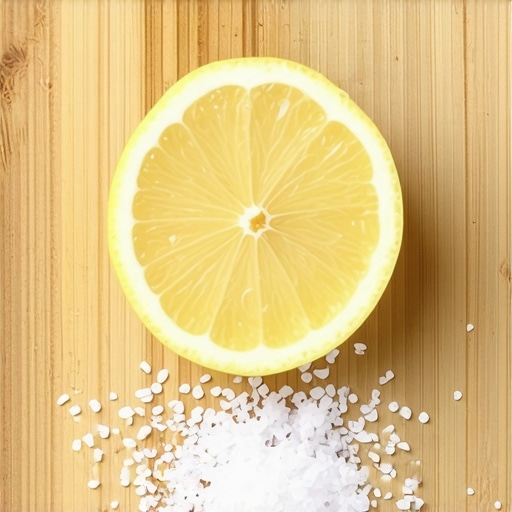
Understanding the interaction between organic acids and wood fibers is critical when working with premium materials. If you are also using modern culinary appliances, maintaining clean surfaces is just as important as knowing how to stop your air fryer from smoking up the room or keeping your prep areas pristine. The secret lies in a dual-phase chemical reaction that neutralizes the sulfur compounds without stripping the natural moisture of the wood. First, we apply a coarse layer of dry sodium bicarbonate (baking soda) directly to the affected area. This acts as a mild abrasive and a natural buffer. Next, we spray fresh lemon juice—which contains citric acid—directly onto the sodium bicarbonate. The resulting chemical reaction releases carbon dioxide gas, creating a bubbling action that physically lifts the trapped organosulfur compounds out of the timber pores.
The Chemical Neutralization Process
Why does this specific acid-base reaction succeed where industrial dish soap fails? When citric acid meets sodium bicarbonate, it creates sodium citrate, water, and carbon dioxide. This effervescent reaction generates microscopic kinetic energy inside the wood pores. The carbonic acid temporary alters the local pH environment, breaking down the stubborn diallyl disulfide molecules into water-soluble salts that can be easily wiped away. If you use a quality wooden board alongside high-end kitchen appliances, maintaining these surfaces is just as critical as knowing the trick to polishing copper cookware without harsh acids. Both tasks require an understanding of chemistry over raw physical force.
After the bubbling reaction subsides—typically after three to five minutes—you must use the scrubbed side of a halved lemon to work the mixture into the grain. The coarse salt or baking soda acts as a physical agent, while the natural oils in the lemon peel provide a clean, fresh scent. Once the scrubbing is complete, rinse the board with cool water. Avoid hot water, as it opens the wood pores and can cause warping. Dry the board immediately with a clean microfiber cloth and let it air-dry completely in a vertical position to prevent moisture from pooling on one side.
Why Standard Methods Fail and Warp Wood
Many home chefs resort to harsh chemical bleach or soak their boards in soapy water. This is an operational disaster for high-end hardwood. Wood is highly hygroscopic; it absorbs and releases moisture to stay in equilibrium with its environment. When you submerge a wooden board in water, the wood cells expand unevenly. As the board dries, the outer cells dry faster than the inner core, creating severe internal tension. This leads to cupping, warping, and eventually, deep structural splitting that ruins the board entirely. Bleach is equally destructive, breaking down the natural lignin that holds the wood fibers together, leaving the surface dull, dry, and highly susceptible to future staining.
Furthermore, neglecting to seal the wood after deodorizing leaves it vulnerable. Once you have successfully removed the garlic odor, the wood pores are open and dry. If left unsealed, the board will quickly absorb moisture, bacteria, and new odors from the next food item you prep. This is similar to why you must learn how to stop your knife block from harboring bacteria; neglecting material maintenance always leads to hygienic failures in the kitchen.
The Long-Term Material Care Strategy
To prevent future odor absorption, you must establish a strict sealing routine using food-grade mineral oil and natural beeswax. Mineral oil penetrates deep into the wood grain, filling the microscopic voids that would otherwise trap garlic juices. Beeswax acts as a water-resistant top barrier, keeping moisture and food particles on the surface where they can be easily wiped away. Apply a generous layer of warm mineral oil to your clean, dry board once a month, let it soak in overnight, and buff off the excess the next morning. Follow with a beeswax cream to lock in the moisture and create a beautiful, protective satin finish.
As kitchen designs evolve over the next 12 to 24 months, we are seeing a significant shift toward integrated wooden prep zones and thick, built-in end-grain chopping blocks. Homeowners are moving away from synthetic plastic cutting boards, which micro-scratch easily and harbor bacteria. This return to natural, high-end wood materials means that proper maintenance education is more important than ever. If you invest in premium prep surfaces, understanding the chemistry of wood preservation is a necessity, not an option.
The Executive Verdict
If your wooden cutting board smells like garlic, do not throw it away, and do not use bleach or hot, soapy water. Instead, apply the sodium bicarbonate and lemon juice method immediately. This simple chemical neutralization process will lift the odor without damaging the structural integrity of your board. Follow this with a thorough application of food-grade mineral oil to seal the wood fibers and prevent future odor retention. Treat your premium wood surfaces with the same care and respect you would show any other high-end kitchen asset.
Frequently Asked Questions
Can I use white vinegar instead of lemon juice?
Yes. White vinegar contains acetic acid, which works similarly to the citric acid in lemon juice to neutralize sulfur compounds. However, lemon juice is preferred as it leaves a pleasant, clean scent behind.
How often should I oil my wooden cutting board?
For heavy use, you should oil your board once a month. If the wood begins to look dull or dry, or if water stops beading on the surface, it is time for another application of food-grade mineral oil.
Is it safe to use olive oil to seal my board?
No. Never use vegetable oils like olive, canola, or corn oil to seal wood. These oils are organic and will oxidize over time, turning rancid and creating a sticky, foul-smelling surface that is highly unsanitary.